
Thailand Redefines Coastal Travel With a New Global Waterfront Destination Transforming Pattaya Into a Luxury Sailing, Tourism, and Marine Lifestyle Hub – All You Need to Know Before Your Next Trip
Thailand Redefines Coastal Travel With a New Global Waterfront Destination Transforming Pattaya Into a Luxury Sailing, T

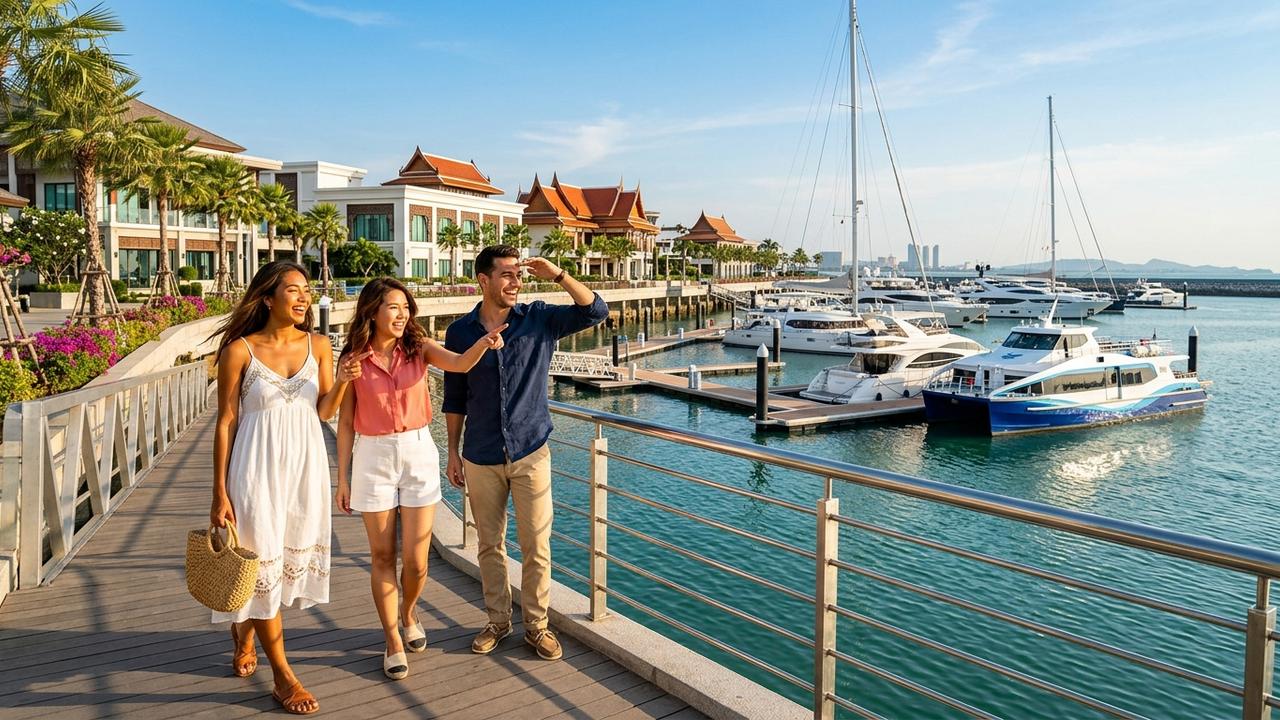
Image generated by AI
Ocean Marina Jomtien Reshapes Thailand Marine Tourism and Pattaya Tourism as a Premier Luxury Waterfront Destination for Global Sailing and Coastal Travel
[Chonburi, Thailand] — Ocean Marina Jomtien is rapidly transforming the eastern coastline into a high-capacity luxury waterfront destination, drawing over 50 marine service enterprises and international sailing competitions to the Gulf of Thailand. Industry observers report that the facility is accelerating shifts in Thailand marine tourism, positioning Pattaya tourism beyond traditional beach recreation into structured maritime recreation and coastal business development. The marina now operates as a central hub connecting Bangkok travelers, yacht owners, and global event organizers seeking regulated, experience-driven water activities.
The eastern seaboard has long served as a transit corridor between Thailand’s capital and established resort provinces. Recent infrastructure investments and specialized maritime zoning have converted quiet coastal stretches into active commercial and recreational zones. Maritime authorities and local development boards have prioritized regulated docking facilities to accommodate growing demand for yacht charters, technical vessel maintenance, and international boating exhibitions. This strategic pivot aligns with broader national directives to diversify coastal revenue streams while maintaining environmental compliance across sensitive shoreline ecosystems.
Eastern Seaboard Location Drives Strategic Coastal Access
The facility occupies a highly accessible coordinate along the Gulf of Thailand, situated between the metropolitan sprawl of Bangkok and the established resort zones of Pattaya. Transportation networks and highway connectivity allow weekend visitors and business travelers to reach the waterfront within a few hours without navigating congested urban corridors. Regional travel patterns indicate that domestic tourists and international visitors utilize the location as a primary staging ground for island crossings, weekend maritime retreats, and extended coastal exploration. Proximity to major population centers combined with tranquil water conditions creates a functional balance between rapid accessibility and genuine recreational distance from urban infrastructure.
International Certifications Elevate Marina Management Standards
Operational oversight has shifted toward rigorous quality benchmarks following multiple industry recognitions. Management protocols now emphasize standardized safety procedures, environmental sustainability measures, and consistent service delivery across all waterfront operations. Independent auditors and maritime regulatory bodies have awarded the facility for maintaining high compliance levels in vessel handling, waste management, and passenger security. These certifications distinguish the location from unregulated docking points and establish a replicable framework for future coastal developments. Travelers and commercial operators consistently reference these verified standards when selecting docking locations for extended stays or technical servicing.
Sailing Infrastructure Accelerates Thailand Marine Tourism Growth
The waterfront facility directly supports the expanding sector of Thailand marine tourism by providing structured access to open-water routes. Charter operators utilize the designated slipways to launch vessels for recreational sailing, while training centers offer certified courses for novice and experienced watercraft operators. Event coordinators leverage the protected harbor basin to host international regattas, corporate sailing challenges, and marine technology showcases. This organized approach transforms casual beach tourism into structured maritime recreation, generating sustained revenue for local hospitality providers and maritime service contractors. Regional economic data reflects increased visitor spending on sailing licenses, vessel rentals, and marine equipment purchases.
Regional Tourism Transformation Reshapes Pattaya Marina Identity
Coastal development boards are actively broadening the regional tourism portfolio to reduce reliance on traditional nightlife and short-duration beach visits. The marina serves as a catalyst for family-oriented travel, competitive sports programming, and extended maritime lifestyle experiences. International event organizers now schedule multi-day sailing festivals and marine conservation workshops at the waterfront location. Local hospitality sectors are adapting by offering extended-stay accommodations, marine-themed dining concepts, and guided coastal excursions. This strategic diversification aligns with demographic shifts showing increased demand for structured, activity-based coastal vacations rather than passive sun-and-sand itineraries.
Integrated Business Operations Create Complete Maritime Ecosystem
The facility functions as a consolidated service center rather than a passive docking zone. More than 50 marine-related enterprises now operate within the designated waterfront boundaries, creating a vertical service network. Commercial operators provide comprehensive yacht maintenance, technical engineering support, marine equipment distribution, and proprietary boatbuilding services. Brokerage firms facilitate vessel sales and long-term charter agreements, while technical workshops handle engine overhauls and hull inspections. This centralized service model reduces logistical friction for international yacht owners and establishes the location as one of the most comprehensive maritime service hubs across Southeast Asia.
Global Regattas and Corporate Events Expand Economic Reach
Annual competition calendars and corporate maritime programming draw international participants directly into the Gulf region. Regatta organizers coordinate multi-day racing series that attract crew members, technical support staff, and spectator travelers from multiple continents. Corporate clients utilize the waterfront venue for executive retreats, product launches, and marine industry networking conferences. Event attendance generates measurable economic spillover for regional hotels, independent restaurants, and local transportation providers. International media coverage of these competitions consistently highlights Thailand’s growing reputation as a competitive sailing destination and a viable alternative to established European and Pacific regatta circuits.
Gulf Routing and Recreational Programs Attract Recreational Sailors
Protected harbor conditions open directly into established coastal navigation lanes that connect multiple island destinations. Recreational sailors utilize the marina as a departure point for island-hopping itineraries, leisurely coastal cruises, and scheduled water sports excursions. Navigation authorities maintain clear routing markers that support both commercial transit and private recreational travel. Coastal touring operators design multi-day itineraries that link the marina with nearby beach communities and protected marine reserves. This structured routing system enables visitors to access regional top waterfront destinations without navigating unmarked or heavily congested waterways.
Elevated Amenities Support Modern Coastal Lifestyle Expectations
Beyond technical docking and commercial operations, the waterfront provides structured leisure environments that align with contemporary coastal tourism demands. Visitors utilize open-air dining terraces, promenade walking routes, and designated relaxation zones that overlook the Gulf waters. The spatial design prioritizes unobstructed sea views, regulated pedestrian pathways, and modern architectural integration with the natural shoreline. Hospitality operators have adapted service models to accommodate extended stays, focusing on quiet recreation, culinary experiences, and unstructured coastal observation. This amenity framework supports a luxury waterfront model that emphasizes spatial comfort and environmental integration over high-density commercial development.
Policy Alignment Strengthens Long-Term Tourism Development Goals
National tourism authorities have integrated specialized maritime facilities into broader destination development strategies. Regulatory frameworks now require environmental impact assessments, standardized waste disposal protocols, and sustainable energy integration for new waterfront projects. The marina’s operational model demonstrates how commercial maritime activity can coexist with environmental preservation and community accessibility. Policy advisors recommend replicating this structured development approach across other coastal zones to prevent unregulated construction and protect marine ecosystems. Industry analysts project that standardized maritime zoning will attract sustained international investment in luxury coastal tourism and specialized marine recreation services.
Impact Analysis
The consolidation of commercial marine services, international event hosting, and structured recreational routing has created measurable economic multipliers across the eastern seaboard. Hospitality operators report extended booking windows as visitors transition from day-trip beach visits to multi-day sailing and wellness retreats. Maritime service contractors experience increased demand for technical maintenance, vessel brokerage, and equipment supply chains. Regional transportation networks show elevated weekend traffic volumes as domestic travelers utilize the location as a regional transit hub. Environmental monitoring data indicates that regulated docking protocols and standardized waste management have reduced shoreline contamination compared to unmanaged coastal areas. The facility’s certification standards now serve as benchmark metrics for future waterfront developments throughout Southeast Asia.
Forward-Looking Conclusion
Ocean Marina Jomtien operates as a functional model for how coastal destinations can transition from passive recreation zones into integrated maritime business hubs. Continued expansion of sailing infrastructure, international event programming, and regulated commercial services will sustain visitor growth across Thailand marine tourism. Industry projections indicate that standardized waterfront development will attract sustained investment in luxury coastal travel and specialized marine recreation. Regional tourism authorities are likely to adopt similar zoning and certification frameworks to preserve environmental integrity while maximizing economic returns. The facility remains positioned at the center of this structural shift, connecting international sailing communities, commercial marine operators, and coastal travelers through a unified, regulated waterfront ecosystem.
Related Travel Guides
Disclaimer
This article is for informational and educational purposes only. It does not constitute legal, financial, or professional advice. While we strive to provide accurate and up-to-date information, travel policies, regulations, and conditions change rapidly. Always verify information with official sources before making travel decisions. Nomad Lawyer makes no representations about the accuracy, reliability, completeness, or suitability of the information provided. Readers should consult qualified professionals for advice specific to their circumstances. The views expressed in this article are those of the author and do not necessarily reflect the views of Nomad Lawyer.
Kunal K Choudhary
Co-Founder & Contributor
A passionate traveller and tech enthusiast. Kunal contributes to the vision and growth of Nomad Lawyer, bringing fresh perspectives and driving the community forward.
Learn more about our team →