
Alaska Cruises Surging for Summer 2026: Record Bookings and Expanded Capacity
Alaska cruises surging to record levels this summer as travelers seek cooler climates and glacier experiences. Major ports expand capacity across Southeast and Southcentral Alaska in 2026.

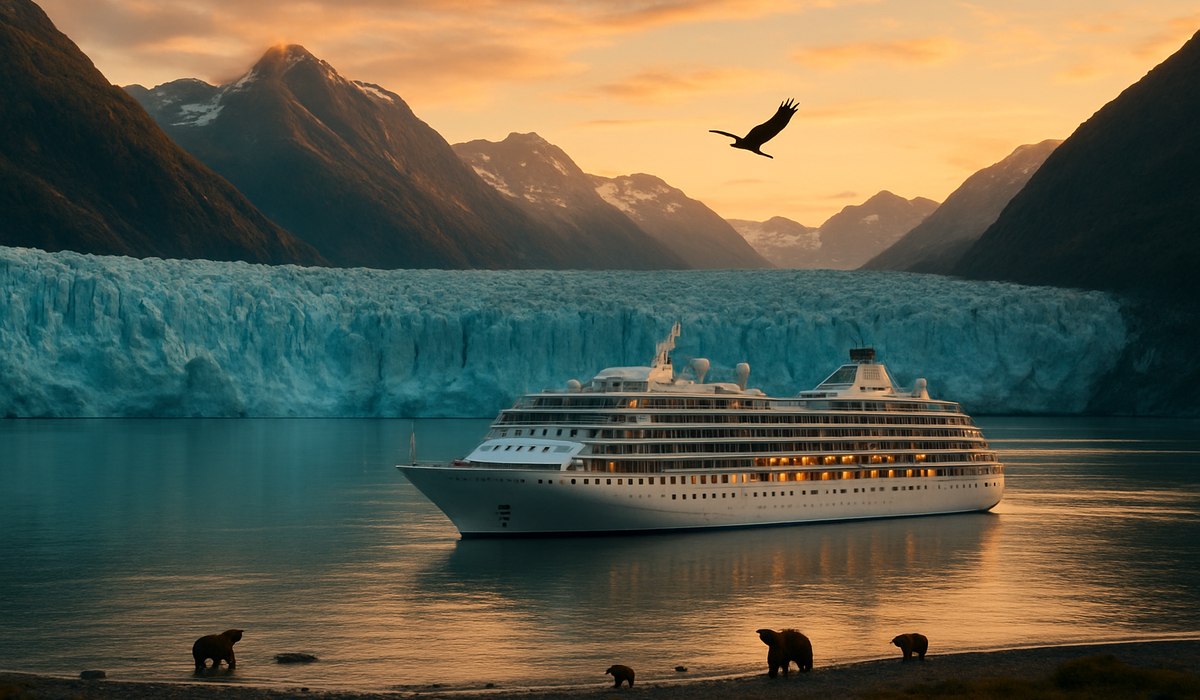
Image generated by AI
Alaska's Cruise Season Reaches Historic Demand in Summer 2026
Alaska's cruise season is on track to become one of the busiest years on record, driven by unprecedented global appetite for cooler-weather destinations and authentic glacier encounters. From Juneau to Icy Strait Point, major cruise lines are deploying additional tonnage and extending schedules throughout the April-to-October season, responding to sustained demand that positions Alaska among the world's strongest cruise markets in 2026. Industry analysts attribute the surge to a perfect convergence of factors: Americans prioritizing climate-conscious travel, world-class wildlife viewing, and the natural spectacle of tidewater glaciers that cannot be replicated elsewhere in North America.
Record Demand Puts Alaska Back on the Global Cruise Map
State tourism data confirms that Alaska cruises surging represents a significant shift in vacation patterns. In summer 2024, approximately two-thirds of all out-of-state visitors to Alaska arrived by cruise ship, cementing ocean-based itineraries as the primary gateway to the state's economy. National cruise forecasts for 2026 predict that Alaska will rank alongside the Caribbean as a top-tier destination, with major operators reporting booking curves that exceeded all historical projections by March 2026.
Juneau, Alaska's flagship cruise port, processed roughly 1.7 million passengers in 2025—a sharp increase from pre-pandemic levels. The port authority has responded by enhancing berth infrastructure and coordinating multi-ship days that keep operations fluid even during peak weeks. Smaller Southeast Alaska communities including Wrangell, Ketchikan, and Sitka are also experiencing near-record cruise calls, reflecting industry-wide efforts to distribute passenger volume across multiple ports and reduce overcrowding pressures.
The limited April-to-October season and finite natural harbor capacity create built-in occupancy advantages. Unlike year-round cruise destinations, Alaska's seasonal window compresses demand into six months, ensuring that nearly every available berth commands premium utilization rates. Learn more about cruise demand trends at Cruise Critic's latest market analysis.
Port Capacity Expanding Across Southeast and Southcentral Alaska
Infrastructure investments are reshaping Alaska's cruise port network as lines prepare for sustained growth. Southcentral ports including Seward and Whittier are experiencing particular expansion, driven by the popularity of cross-Gulf voyages that connect Southeast Inside Passage itineraries with direct glacier access in Kenai Fjords National Park.
One-way cruise segments—originating in Southeast Alaska and concluding in Southcentral ports—are fueling demand for integrated rail and road experiences into Denali and interior Alaska. This routing pattern extends visitor spending well beyond traditional dock districts, benefiting Anchorage hotels, railcar operators, and inland tour companies. Regional visitor bureaus report that passengers combining 7-day cruises with 3-to-5-day land tours represent the fastest-growing booking segment for summer 2026.
Expedition-style vessels are also exploring less-trafficked ports and fjords, including Prince William Sound and remote glacier systems along the Gulf of Alaska. These smaller-capacity ships typically carry 100–300 passengers, allowing deeper cultural connections and closer approaches to calving events that larger 3,000+ passenger ships cannot safely execute.
Glaciers and Beyond: How Alaska Cruise Itineraries Are Evolving
Glacier viewing remains the signature draw for Alaska cruises surging demand, but itinerary design is adapting to reflect both environmental and safety considerations. Glacier Bay National Park, Hubbard Glacier, and Endicott Arm with Dawes Glacier anchor most major itineraries, while smaller expedition lines expand offerings to include Glacier Bay permits and multi-day Prince William Sound explorations.
A significant geologic event in August 2025—a major landslide in Tracy Arm south of Juneau—prompted several large cruise operators to shift scheduling toward nearby Endicott Arm. The shift reflects operator commitment to passenger safety while maintaining the visual drama that drives Alaska cruise bookings. Endicott Arm's towering cliffs, cascading waterfalls, and tidewater ice provide compelling alternatives that support scenic cruising throughout the 2026 season.
Ship-based programs increasingly emphasize full-day glacial viewing, balcony cabin premium positioning, and expanded naturalist staffing. Onboard experts now provide real-time geology lectures, wildlife identification training, and cultural context that enhance passenger experience beyond simple sightseeing. Smaller vessels promote intimate viewing periods from open decks and Zodiac excursions, creating photography-friendly access to calving moments that social media amplifies across potential future customers.
Visit individual cruise line websites to compare 2026 Alaska itineraries with specific glacier guarantees and viewing schedules.
Extending Visitor Spending Beyond the Cruise Ports
Alaska's tourism economy is experiencing a broadening effect as cruise communities invest in shore-based attractions and cultural programming. Ketchikan, Sitka, and Icy Strait Point have expanded excursion menus beyond traditional port shopping, now offering whale-watching cruises, bear-viewing expeditions, kayaking adventures, fishing charters, and small-group Alaska Native cultural experiences.
This diversification directly supports local economies. Guiding services, transportation providers, retail merchants, and food businesses have all benefited from cruise traffic stabilization at higher volumes. Communities are investing in trails, museums, and cultural centers designed to retain passengers for longer port days and distribute spending across multiple neighborhoods.
Regional economic analyses demonstrate that communities embracing multi-experience port strategies capture substantially higher per-passenger spending than ports centered solely on retail. This pattern is reinforcing investment in local infrastructure, workforce training, and Indigenous tourism partnerships that strengthen Alaska's competitive position within the global cruise market.
Cruise Itinerary at a Glance
| Route Name | Typical Duration | Key Glacier Stops | Embarkation Ports | Approximate 2026 Capacity |
|---|---|---|---|---|
| Inside Passage Classic | 7 days | Glacier Bay, Hubbard | Seattle, Vancouver | 45,000+ passengers |
| Southeast + Cross-Gulf | 10 days | Endicott Arm, Kenai Fjords | Seattle; ends Seward/Whittier | 32,000+ passengers |
| Alaskan Explorer | 7 days | Tracy Arm alternatives, Misty Fjords | Juneau, Ketchikan | 28,000+ passengers |
| Expedition Small-Ship | 5-8 days | Prince William Sound, lesser-known fjords | Juneau, Anchorage | 8,000+ passengers |
| Late-Season Itinerary | 7 days | Hubbard, Glacier Bay (Sept–Oct) | Seattle, Vancouver | 38,000+ passengers |
| Roundtrip Southcentral | 7 days | Kenai Fjords, Grewingk Glacier | Seward, Whittier | 15,000+ passengers |
What This Means for Travelers
Alaska cruises surging in summer 2026 creates both opportunities and considerations for vacation planners:
-
Book Early: Record demand means that preferred sailing dates and cabin categories are filling 4–6 months earlier than historical norms. Lock in 2026 sailings by late May to access prime inventory.
-
Evaluate Glacier Guarantees: Compare cruise line commitments regarding glacier viewing. Not all ships can access Glacier Bay; verify specific itinerary details before commitment.
-
Combine Land and Sea: Consider integrated cruise-plus-rail or cruise-plus-road packages. These maximize value and extend the Alaska experience beyond the typical 7-day cruise window.
-
**Plan Shore Excursions Early
Disclaimer
This article is for informational and educational purposes only. It does not constitute legal, financial, or professional advice. While we strive to provide accurate and up-to-date information, travel policies, regulations, and conditions change rapidly. Always verify information with official sources before making travel decisions. Nomad Lawyer makes no representations about the accuracy, reliability, completeness, or suitability of the information provided. Readers should consult qualified professionals for advice specific to their circumstances. The views expressed in this article are those of the author and do not necessarily reflect the views of Nomad Lawyer.
Kunal K Choudhary
Co-Founder & Contributor
A passionate traveller and tech enthusiast. Kunal contributes to the vision and growth of Nomad Lawyer, bringing fresh perspectives and driving the community forward.
Learn more about our team →