
Thailand, Philippines, and Maldives Lead World’s Top 10 Beaches in 2026 Amid $200 Oil Shock and Strait of Hormuz Blockade: How US-Iran Conflict and Gulf Tensions Redefine Global Tourism Resilience
As the global energy crisis worsens with the Strait of Hormuz blockade and $200 oil prices, Thailand, the Philippines, Spain, and the Maldives lead 2026's top beach rankings, showcasing tourism resilience.

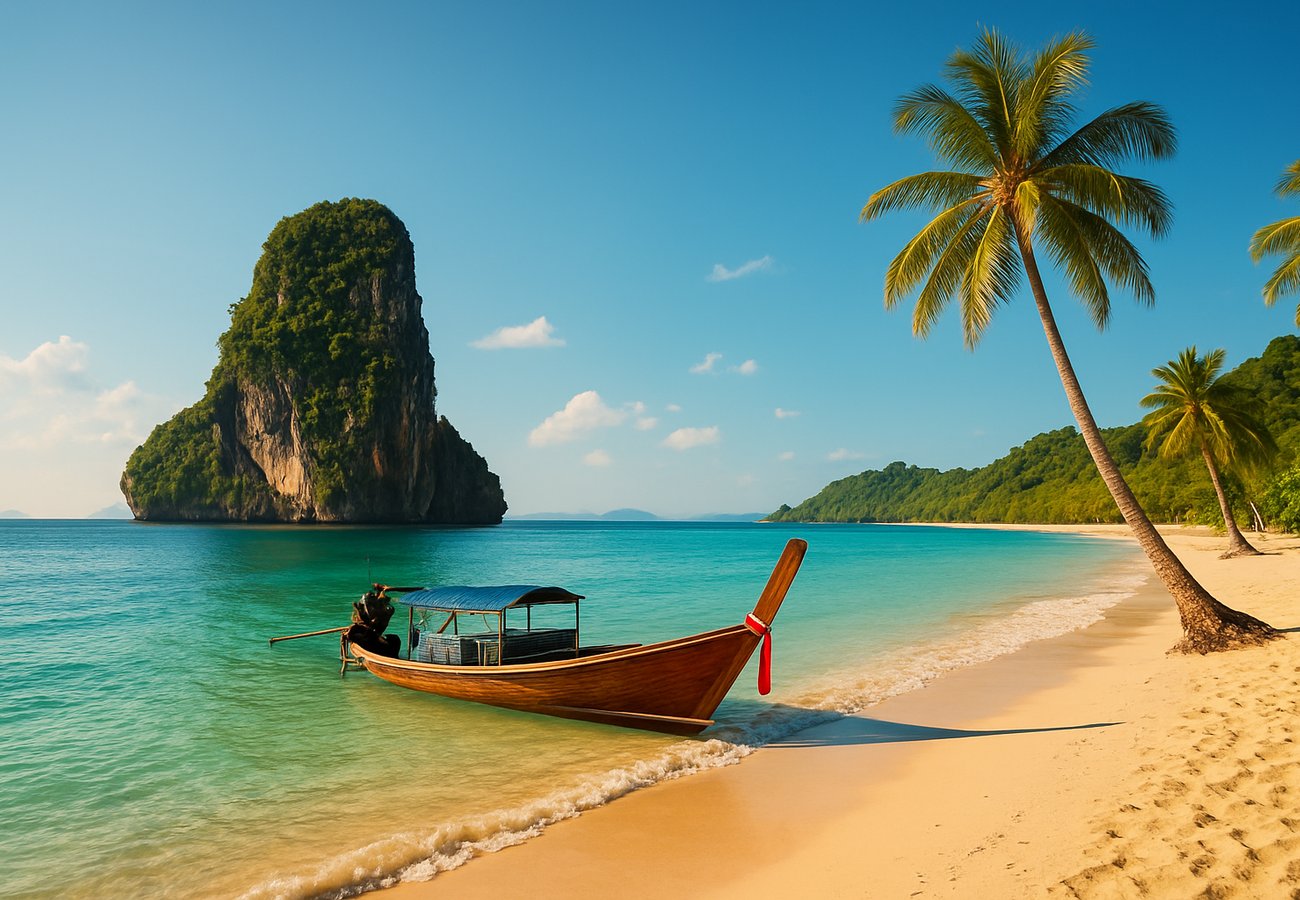
Image generated by AI
The global tourism industry is facing a trial by fire in 2026. Even as the prestigious World's 50 Best Beaches panel unveils its highly anticipated Top 10 list—catapulting destinations like Thailand, the Philippines, and the Maldives into the global spotlight—the shadow of an unprecedented global energy crisis threatens to ground the dreams of international travelers. Driven by a catastrophic $200 per barrel oil shock and the military blockade of the vital Strait of Hormuz, a massive geopolitical standoff between the United States and Iran is redrawing the map of global travel logistics.
Yet, against all odds, these elite tropical destinations are positioning themselves as symbols of ecological and economic resilience, fighting to capture high-value tourism markets as soaring jet fuel costs redefine the economics of aviation.
Expanded Overview: Top Destinations Meet Global Gridlock
The release of the Top 10 Beaches of 2026 highlights unmatched natural beauty, ecological preservation, and luxury adventure across ten iconic nations. Leading the charge is Thailand, whose pristine Similan Islands have secured a top spot, showcasing the country’s commitment to sustainable eco-tourism.
However, the global launch of these rankings coincides with a severe halt in international shipping and aviation. The blockade of the Strait of Hormuz—the world’s most critical maritime transit choke point, handling roughly 20% of global oil consumption—has triggered a massive supply contraction. For the travel industry, this convergence of a tourism boom and an energy bust presents a staggering paradox: while traveler desire for pristine sands is at an all-time high, the physical and financial ability to reach them has never been more constrained.
Geopolitical Context: The US-Iran Standoff and Gulf Tensions
The root of this systemic collapse is the intense US-Iran conflict, which has escalated into active maritime disruptions in the Persian Gulf. Retaliatory attacks and heavy naval blockades have rendered the Strait of Hormuz virtually impassable for standard commercial tankers.
This geopolitical flashpoint has forced Gulf Cooperation Council (GCC) powers—specifically Saudi Arabia, the United Arab Emirates (UAE), Qatar, Kuwait, Oman, and Bahrain—into an incredibly tight spot. These nations, which traditionally anchor global energy stability, are scrambling to keep supply lines open through expensive overland pipelines and alternative Red Sea ports. Despite their efforts, the loss of direct maritime transport through the Strait has triggered panic across Western and Asian energy markets, sending shockwaves to every corner of the global economy, including the tourism-dependent nations of Southeast Asia, Europe, and the Indian Ocean.
Global Energy Impact: The $200 Oil Shock and Flight Costs
The immediate consequence of the blockade is the explosive spike in oil prices, which have cleared the $200 per barrel mark. This has placed an unbearable financial burden on global airlines. Jet fuel, which typically accounts for roughly 30% of an airline's operating expenses, has surged to over 60% of total costs, forcing carriers to dramatically hike ticket prices, implement heavy fuel surcharges, and scale back long-haul flight capacities.
| Region | Featured Top 10 Beach Destination | Direct Energy/Logistics Risk |
|---|---|---|
| Southeast Asia | Thailand (Similan Islands) & Philippines (Palawan) | High sensitivity to long-haul ticket price inflation; regional kerosene supply bottlenecks. |
| Europe | Spain (Balearic Islands) & Greece (Navagio Beach) | Severe airspace congestion; rising regional transport operating costs. |
| Indian Ocean | Maldives (Baa Atoll) & Seychelles (Anse Source d'Argent) | High vulnerability to maritime supply chain delays for resort construction and food imports. |
| Oceania | Australia (Whitehaven Beach) | Extreme distance penalty for European and American travelers due to astronomical jet fuel pricing. |
Shipping and Trade Impact: Rerouting and Insurance Bottlenecks
Beyond aviation, the shipping disruption in the Middle East has heavily impacted maritime trade. Tankers and cargo ships are being forced to bypass the Persian Gulf entirely, rerouting around the Cape of Good Hope. This detour adds up to 14 days of travel time and millions of dollars in additional fuel costs per voyage.
Simultaneously, maritime insurance premiums have jumped by over 500% due to the increased security threat. This double blow of fuel hikes and insurance inflation has disrupted the supply chains of small island nations like the Maldives and Seychelles, making the importation of luxury goods, food, and energy required to run high-end eco-resorts extremely expensive.
Regional Impact: The Strategic Dilemma of the Gulf States
For the oil-producing giants of the Gulf, the current crisis is a double-edged sword. While Saudi Arabia and the UAE are generating record revenues from the oil price spike, the blockade of their primary export route threatens their long-term economic diversification goals, particularly their multi-billion-dollar investments in luxury tourism (such as Saudi Arabia’s Red Sea Project and Dubai’s expansion).
Qatar, a leading exporter of Liquefied Natural Gas (LNG), faces similar shipping bottleneck risks through the Strait of Hormuz. Consequently, these nations are working overtime to broker diplomatic channels and secure safe-passage agreements, recognizing that persistent global instability will eventually erode the wealth of their international customer base.
The Elite Ten: Global Beach Gems Defying the Crisis
Despite the heavy economic pressures of 2026, the world’s top ten beaches represent the pinnacle of travel aspiration and sustainable conservation:
- Thailand (Similan Islands, Phang Nga): Famed for its dramatic rock formations, crystal-clear waters, and vibrant marine life, including manta rays and whale sharks.
- Philippines (Palawan - El Nido and Coron): Famous for dramatic limestone cliffs and hidden turquoise lagoons, Palawan remains a global beacon for biodiversity and eco-tourism.
- Spain (Ibiza and Formentera): Balearic jewels offering quiet, hidden coves and pristine Mediterranean waters alongside eco-friendly luxury initiatives.
- Greece (Navagio Beach, Zakynthos): The iconic "Shipwreck Beach," framed by monumental limestone cliffs, accessible only by sea, capturing the premium European market.
- Australia (Whitehaven Beach, Queensland): Renowned for its pure silica sands and direct access to the UNESCO-listed Great Barrier Reef.
- Maldives (Baa Atoll): A UNESCO Biosphere Reserve famous for overwater bungalows and strict marine protection laws.
- Madagascar (Nosy Be): An unspoiled island paradise boasting rich biodiversity, offering off-the-beaten-path experiences.
- United States (Maui, Hawaii): Highlighting Wailea and Kaanapali beaches, combining golden sands with robust cultural and environmental preservation.
- Seychelles (Anse Source d'Argent, La Digue): Instantly recognizable by its pink-hued granite boulders and shallow, turquoise lagoons.
- Brazil (Baia do Sancho, Fernando de Noronha): A highly protected, remote paradise requiring strict conservation permits to access.
Industry and Expert Analysis: Why This Matters Globally
Global travel strategists emphasize that the 2026 list reflects a major shift in traveler preferences. In an era of high-cost aviation, travelers are opting for "quality over quantity," planning longer, more meaningful stays at highly rated, sustainable destinations rather than frequent, short-haul trips.
The United Nations World Tourism Organization (UNWTO) highlights that destinations prioritizing environmental preservation—like the Similan Islands in Thailand or Fernando de Noronha in Brazil—are attracting affluent, eco-conscious travelers who are willing to pay premium prices despite the global energy squeeze.
What Happens Next: Possible Scenarios
- The Diplomatic Breakthrough: De-escalation between the US and Iran could reopen the Strait of Hormuz, stabilizing oil prices back toward $80-$90/bbl and triggering a massive surge in global long-haul flight bookings.
- Prolonged Cold War: If the blockade continues into late 2026, airlines will be forced to permanently retire older, fuel-heavy aircraft, leading to consolidated routes and making travel to distant beach paradises an exclusive luxury for the ultra-wealthy.
Conclusion
The Top 10 Beaches of 2026 offer a breathtaking vision of natural beauty and ecological resilience. However, their ultimate success in the coming years remains closely tied to global energy stability. As the US-Iran conflict continues and the Strait of Hormuz remains a flashpoint of tension, the tourism sector must learn to navigate a landscape shaped by high fuel costs and volatile supply chains.
Key Takeaways
- Prestigious Recognition: Thailand, the Philippines, and the Maldives lead the elite Top 10 Beaches of 2026, emphasizing sustainable luxury.
- Energy Chokehold: The Strait of Hormuz blockade has cut off 20% of global oil transit, triggering a severe $200 per barrel oil shock.
- Aviation Under Pressure: Skyrocketing jet fuel costs are forcing airlines to raise ticket prices and consolidate long-haul routes.
- Supply Chain Disruptions: Heavy shipping delays and high insurance premiums are impacting remote island destinations like the Maldives and Seychelles.
- Resilience Strategy: High-end destinations are focusing on premium, long-stay eco-tourism to offset the drop in mass-market travel.
FAQ: Tourism and the 2026 Energy Crisis
How are flight prices to Thailand and the Maldives affected? Due to the $200/bbl oil shock, average long-haul airfares have increased by 40-60%. Travelers should expect higher ticket costs and fuel surcharges.
Are the Similan Islands in Thailand open to tourists? Yes, the Similan Islands are open and operating under strict conservation guidelines to preserve their newly crowned top-ten status.
How is the shipping blockade affecting island resorts? The blockade of the Strait of Hormuz has delayed cargo shipping and increased insurance costs, resulting in minor supply delays for imported luxury goods at some island resorts.
Related Travel Guides
Disclaimer
This article is for informational and educational purposes only. It does not constitute legal, financial, or professional advice. While we strive to provide accurate and up-to-date information, travel policies, regulations, and conditions change rapidly. Always verify information with official sources before making travel decisions. Nomad Lawyer makes no representations about the accuracy, reliability, completeness, or suitability of the information provided. Readers should consult qualified professionals for advice specific to their circumstances. The views expressed in this article are those of the author and do not necessarily reflect the views of Nomad Lawyer.
Kunal K Choudhary
Co-Founder & Contributor
A passionate traveller and tech enthusiast. Kunal contributes to the vision and growth of Nomad Lawyer, bringing fresh perspectives and driving the community forward.
Learn more about our team →