
Brazil Issues High Caution Travel Alert for 2026 as Gang Violence Surges Amid $200 Oil Shock and Strait of Hormuz Blockade: How US-Iran Conflict and Gulf Tensions Threaten Global Tourism and South American Security
Brazil faces a severe travel advisory in 2026 as escalating crime and border violence surge, exacerbated by the global economic fallout from the Strait of Hormuz blockade, $200 oil prices, and rising US-Iran geopolitical tensions.

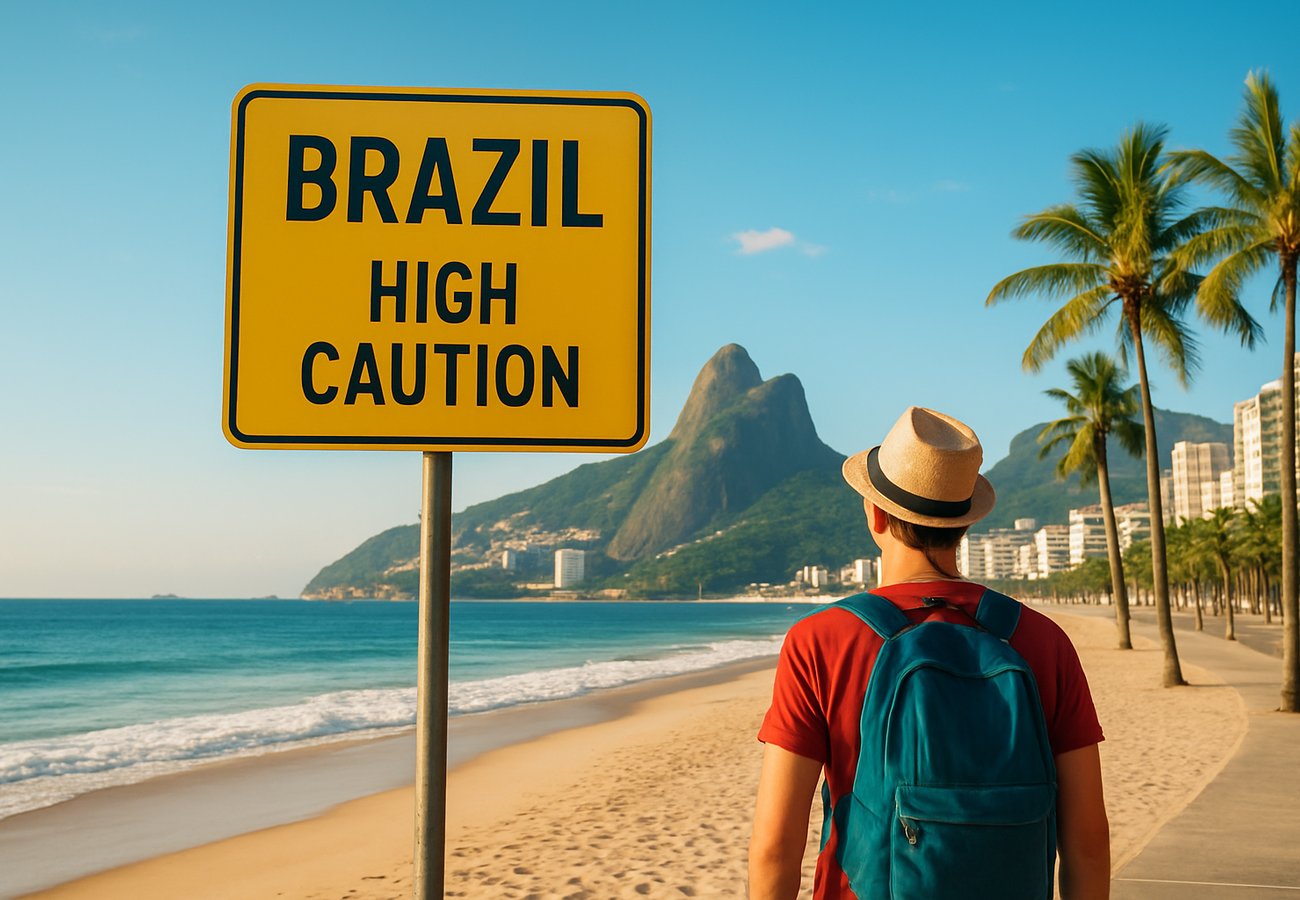
Image generated by AI
Brazil has issued an unprecedented, high-caution travel advisory for 2026, urging international tourists to avoid high-risk urban areas and border regions due to skyrocketing crime rates, rampant gang violence, and rapidly deteriorating security conditions. However, this crisis does not exist in a vacuum. The surge in South American instability is directly tied to the catastrophic $200 per barrel oil shock, triggered by the devastating blockade of the Strait of Hormuz amid an escalating conflict between the United States and Iran. As global energy markets collapse into chaos, the ripple effects are paralyzing economies, devastating supply chains, and transforming global tourism into a high-stakes geopolitical hazard.
Context and Background: The Convergence of Crises
For decades, Brazil has been a magnet for millions drawn to its vibrant culture, mesmerizing beaches, and iconic cities like Rio de Janeiro and São Paulo. Today, those very cities are flashpoints of violence. Official government websites, including the U.S. Department of State and Global Affairs Canada, have flagged these regions, warning tourists of extreme risks.
The underlying catalyst? A crippling global energy crisis. With the vital artery of the Strait of Hormuz choked by military blockades, approximately 20% of the world's daily oil supply has vanished overnight. The resulting economic shockwave has caused hyperinflation across developing nations, completely destabilizing local economies and directly fueling the astronomical rise in organized crime, armed robberies, and cartel dominance in Brazil’s urban and border sectors.
Breaking Down the Geographic and Commercial Impact
The intersection of the Middle Eastern energy crisis and South American security has created a multifaceted disaster for the travel sector.
| Crisis Factor | Global Trigger | Direct Impact on Brazil Tourism |
|---|---|---|
| Fuel Costs | $200/bbl Oil Shock | Grounding of major airline fleets; astronomical flight prices to South America. |
| Supply Chain Collapse | Strait of Hormuz Blockade | Scarcity of basic goods; skyrocketing local prices causing civil unrest. |
| Urban Crime | Economic Desperation | 40% surge in gang-related violence, targeting tourists in major hubs like Salvador and Rio. |
| Border Security | Cartel Expansion | Extreme danger zones within 20km to 50km of Argentina, Bolivia, and Venezuela borders. |
Geopolitical Context: US-Iran Escalation and Gulf Vulnerability
The core of this unprecedented global paralysis lies in the explosive confrontation between the United States and Iran. Retaliatory military strikes in the Persian Gulf have completely severed safe passage through the Strait of Hormuz, creating an absolute nightmare for energy logistics.
This conflict has forced Saudi Arabia, the United Arab Emirates (UAE), Qatar, Kuwait, Oman, and Bahrain into a precarious strategic dilemma. These Gulf nations, traditional anchors of global energy stability, are now struggling to bypass the blockade, relying heavily on alternative pipelines and constrained shipping routes that simply cannot meet global demand. The inability to export adequate crude oil has unleashed financial devastation globally, pushing vulnerable economies like Brazil to the brink of institutional failure.
Global Energy and Shipping Trade Impact
The blockade has triggered a massive rerouting of global vessels, avoiding the Persian Gulf entirely and adding weeks to transit times. For the shipping and trade industry, the consequences are disastrous. Insurance premiums for freighters have surged by over 600%, while logistical bottlenecks have halted the movement of everything from raw materials to essential food supplies.
In Brazil, this translates to crippling inflation. The desperation in impoverished urban communities and favelas has reached boiling point, resulting in tourists being actively targeted. Pickpockets, muggers, and armed gangs are now prevalent in previously safe crowded areas, markets, and public transport networks.
Regional Impact: The Threat to Border Security
While Brazil’s major cities remain volatile, the nation's borders have devolved into militarized zones controlled by transnational crime syndicates capitalizing on the global chaos. Travelers are strongly advised to completely avoid non-essential movement near these perimeters.
High-risk border areas include:
- Within 20 km of the Argentina border (excluding Iguaçu National Park)
- Within 20 km of the Bolivia border (excluding Pantanal National Park)
- Within 20 km of the Colombia, French Guiana, Guyana, Paraguay, Peru, and Suriname borders
- Within 50 km of the Venezuela border
These zones are currently hotbeds for drug trafficking, arms smuggling, and violent cartels exploiting the distraction of global security forces focused entirely on the Middle Eastern theater.
What This Means for Travelers: Industry Analysis
Travel experts at the United Nations World Tourism Organization (UNWTO) warn that the era of carefree global travel is temporarily suspended.
If you are planning to visit Brazil or greater South America:
- Expect Extreme Volatility: Avoid using public transport during late hours. Keep all valuables concealed and exclusively utilize verified, reputable taxi services.
- Stay Within Secured Perimeters: In cities like Rio de Janeiro, do not venture near informal settlements or poorly lit districts under any circumstances.
- Border Travel is Off-Limits: Do not attempt cross-border road trips. The risk of encountering armed cartels is critically high.
What Happens Next: Diplomatic Outlook
The trajectory of Brazil's security crisis is inextricably linked to the geopolitical chessboard of the Middle East. Until a diplomatic resolution eases the US-Iran standoff and reopens the Strait of Hormuz, the global energy squeeze will persist.
Analysts project that unless major oil producers like Saudi Arabia and the UAE can secure guaranteed safe passage corridors, the $200 per barrel threshold will become the new normal. For Brazil, this means prolonged economic suffering and a sustained high-caution travel advisory well into 2027.
Conclusion
The 2026 Brazil travel advisory is a stark reminder of how interconnected the modern world truly is. A geopolitical explosion in the Persian Gulf has directly triggered a severe security and economic crisis in South America. The combination of skyrocketing crime, cartel dominance at the borders, and the suffocating pressure of a global energy shock makes Brazil a high-risk destination. Travelers must prioritize extreme caution, rigorous planning, and constant situational awareness.
What Guests Get (Key Takeaways)
- Severe Security Risks: Brazil faces skyrocketing urban crime and cartel violence fueled by global economic instability.
- The Root Cause: The US-Iran conflict and subsequent Strait of Hormuz blockade have triggered a $200/bbl oil shock, devastating developing economies.
- Gulf State Vulnerability: Saudi Arabia, UAE, and Qatar are struggling to maintain supply chains amidst the geopolitical chaos.
- Avoid Border Zones: Extreme caution is required within 20km to 50km of all major Brazilian land borders due to transnational organized crime.
- Actionable Advice: Stick to well-secured tourist areas, avoid public transport at night, and constantly monitor official government travel advisories.
FAQ: Brazil Travel & Global Energy Crisis 2026
Is it safe to travel to Rio de Janeiro right now? While iconic tourist sites remain open, extreme caution is necessary. Avoid favelas, poorly lit areas, and public transport at night due to surging gang violence.
How does the Middle East conflict affect Brazil? The Strait of Hormuz blockade caused a $200/bbl oil shock, resulting in severe inflation and economic desperation in Brazil, directly fueling the rise in urban crime.
Can I visit the Iguazu Falls safely? Yes, the Iguaçu National Park is explicitly excluded from the border travel warnings, but ensure you stay within secured tourist perimeters and use official guides.
Related Travel Guides
Disclaimer
This article is for informational and educational purposes only. It does not constitute legal, financial, or professional advice. While we strive to provide accurate and up-to-date information, travel policies, regulations, and conditions change rapidly. Always verify information with official sources before making travel decisions. Nomad Lawyer makes no representations about the accuracy, reliability, completeness, or suitability of the information provided. Readers should consult qualified professionals for advice specific to their circumstances. The views expressed in this article are those of the author and do not necessarily reflect the views of Nomad Lawyer.
Kunal K Choudhary
Co-Founder & Contributor
A passionate traveller and tech enthusiast. Kunal contributes to the vision and growth of Nomad Lawyer, bringing fresh perspectives and driving the community forward.
Learn more about our team →