
Cyprus Tourism Slumps 30-40% Amid $200 Oil Crisis and Strait of Hormuz Blockade: How US-Iran Conflict and Gulf Tensions Reshape Mediterranean Travel and Ayia Napa's Resilient Summer 2026 Recovery
As the $200 oil crisis and Strait of Hormuz blockade impact global travel, Cyprus navigates a 30-40% tourism slump in early 2026, with signs of a resilient summer recovery in Ayia Napa.

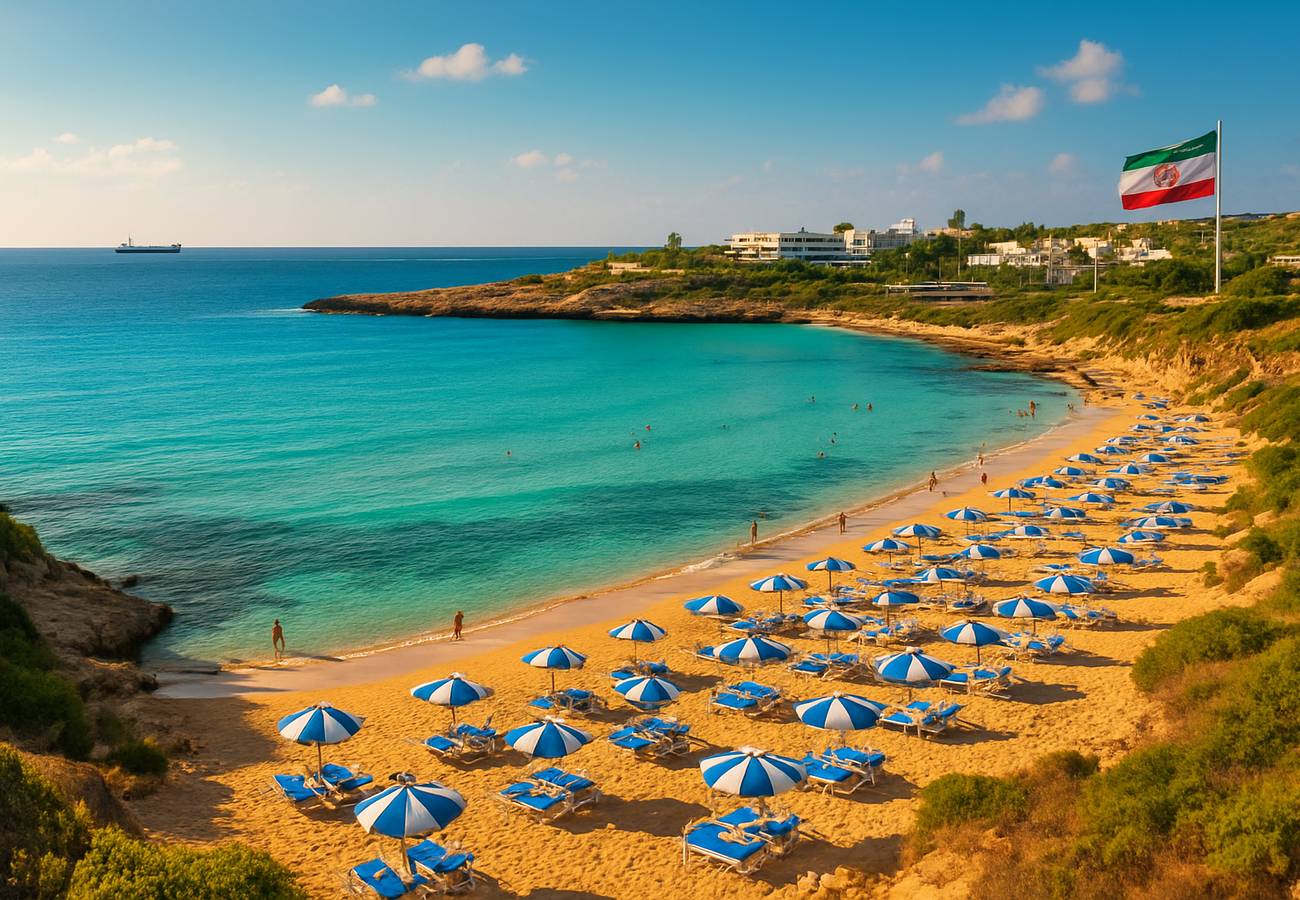
Image generated by AI
The Mediterranean travel sector is facing a severe test of resilience. Caught in the economic fallout of a catastrophic $200 per barrel oil shock and the military blockade of the Strait of Hormuz, Cyprus has recorded a significant downturn, with tourist arrivals dropping by a staggering 30% to 40% in the early months of 2026.
As the escalating US-Iran conflict drives international aviation costs to historic highs and shifts global flight paths, the island's popular resort towns, such as Ayia Napa, have experienced quiet beaches and low hotel bookings. Yet, despite these immense challenges, Cyprus is fighting back. Supported by its robust aviation network, early booking trends for the summer 2026 season indicate that a strong recovery is underway, driven by high demand from key markets like the United Kingdom, Poland, and Germany.
Expanded Overview: Mediterranean Tourism Slumps Amidst Middle East Gridlock
The global travel market has been severely disrupted by the ongoing energy crisis. The blockade of the Strait of Hormuz—a vital shipping route handling roughly 20% of global crude transit—has triggered unprecedented fuel inflation, driving oil prices to $200 per barrel.
This energy squeeze has led to a sharp reduction in long-haul airline seat capacities and a dramatic spike in ticket prices. For Cyprus, geographically positioned near the Middle East, the perception of regional instability has added to these economic challenges. The island experienced a 16% drop in airport arrivals in April 2026, translating to approximately 95,000 fewer passengers, according to data from Hermes Airports. Local business owners and tour operators are feeling the pinch, with visitor numbers in early 2026 falling significantly below the record-breaking levels of 2025.
Geopolitical Context: Persian Gulf Volatility and Eastern Mediterranean Perceptions
The military standoff between the United States and Iran in the Persian Gulf has disrupted major trade corridors and airspace, keeping global energy markets highly volatile.
This conflict has forced major Middle Eastern oil producers—including Saudi Arabia, the United Arab Emirates (UAE), Qatar, Kuwait, Oman, and Bahrain—to implement urgent security measures to protect their energy supply lines. Although Cyprus remains geographically removed from the conflict zone, the island has experienced a temporary drop in visitor confidence due to its proximity to the region. To counter this, Cypriot authorities are actively promoting the island's safety and security, working to reassure travelers that Cyprus remains a safe and peaceful destination in the Mediterranean.
Global Energy Impact: Squeezed Airlines and Flight Schedule Reorganization
With oil prices firmly established at $200 per barrel, commercial airlines are struggling to manage skyrocketing jet fuel costs. This has forced carriers to restructure their schedules, leading to consolidated routes and a reduction in passenger capacities on less profitable flights.
| Source Market (2026) | Flight Occupancy Rate | Current Strategic Status |
|---|---|---|
| United Kingdom | 92% Seat Occupancy | Strong and resilient; remains the largest source of high-spending visitors. |
| Poland | Near Capacity (95%) | Exceptional growth; driving significant traffic to coastal resorts. |
| Germany | 80% - 85% Occupancy | Stable and supportive of the island's nature and cultural excursions. |
| Israel | Steady Recovery | Returning with increased daily flight frequencies to Larnaca and Paphos. |
Despite these operational pressures, Cyprus' air connectivity remains a robust asset. A total of 54 airlines continue to operate from the island, linking Cyprus to 165 destinations across 42 countries, ensuring that the country remains deeply integrated into the global tourism network.
Shipping and Trade Impact: Rerouted Cargo and Local Hospitality Adjustments
The ongoing naval blockade has forced maritime cargo fleets to bypass the Suez Canal and route around Africa’s Cape of Good Hope, adding up to 14 days to transit schedules and sending shipping insurance premiums soaring by over 500%.
These supply chain disruptions have made importing luxury goods and resort supplies to Cyprus highly expensive. To adapt to these rising costs, hospitality operators in Ayia Napa and Paphos are focusing on local sourcing. By partnering with Cypriot agricultural cooperatives, vineyards, and local artisans, hotels are reducing their reliance on expensive imported goods, keeping travel packages affordable for incoming tourists while supporting the local economy.
Regional Impact: Strategic Adjustments Across the Gulf States
The prolonged energy crisis has also forced major Gulf Cooperation Council (GCC) nations to adapt. Saudi Arabia, the UAE, and Qatar are investing billions of dollars in building luxury tourism sectors to prepare for a post-oil future.
However, with the Strait of Hormuz blocked and international transit constrained, these nations are experiencing a temporary slowdown in luxury visitor arrivals. In response, Gulf-based airlines like Emirates and Qatar Airways are expanding their connections into the Mediterranean. By offering frequent flights to Cyprus, these carriers are successfully keeping their networks active while providing travelers with convenient transit options to escape the geopolitical tensions of the Middle East.
Ayia Napa and Cyprus Fight Back: Early Signs of Summer 2026 Recovery
Despite a quiet start to the year, local stakeholders and municipal leaders remain highly optimistic about the upcoming summer season:
- Ayia Napa’s Resilient Outlook: Christos Zannetou, the Mayor of Ayia Napa, acknowledged that the tourism sector had experienced a 35-40% drop in mobility compared to the record-breaking 2025 season. However, he emphasized that this gap is slowly narrowing as bookings rise for June, July, and August.
- Aviation Performance: Hermes Airports reports that flight occupancy rates have risen to 80% and 85% over the past two weeks. The high demand is particularly evident in the UK market, which shows an exceptional 92% seat occupancy on flights to Cyprus.
- Local Business Adaptations: Local operators, including boat rental businesses run by entrepreneurs like Sukan Samnice, are adjusting their rates and offering unique coastal excursions to attract visitors who are drawn to the island's crystal-clear waters and peaceful environment.
- Polish and German Resurgence: Polish and German travelers are contributing significantly to the island's recent uptick in arrivals, drawn by Cyprus’ renowned hospitality, rich archaeological sites, and serene beaches.
Industry and Expert Analysis: A Path of Adaptive Recovery
Aviation and travel economists point out that Cyprus’ tourism sector is showing a textbook example of adaptive recovery.
Rather than relying on expensive long-haul flights, the island has focused on its well-established European connections. This strategic focus, combined with the island's exceptional air connectivity and safety guarantees, is helping Cyprus bounce back from the initial shock of the Middle East conflict, positioning it for a successful and profitable summer 2026 season.
What Happens Next: Future Scenarios and Travel Outlook
- Prolonged Energy Conflict: If Persian Gulf tensions remain high and oil prices stay at $200/bbl, Cyprus will likely continue to focus on its strong European short-haul markets, utilizing its robust aviation network to offer a highly competitive and accessible alternative to other travel destinations.
- Diplomatic De-escalation: If international diplomatic efforts successfully resolve the US-Iran conflict and reopen the Strait of Hormuz, the reduction in jet fuel costs is expected to trigger a massive surge in international arrivals, easily restoring Cyprus’ tourism figures to record-breaking levels.
Conclusion
Cyprus’ tourism sector is demonstrating remarkable strength and resilience. While the first quarter of 2026 has been challenging due to the $200 oil crisis and geopolitical tensions in the Middle East, the steady rise in summer bookings is a promising sign for local businesses and communities. By focusing on its core European markets, capitalizing on its exceptional air connectivity, and offering a safe and peaceful environment, Cyprus is successfully navigating this global energy crisis, proving that its status as a preferred Mediterranean holiday spot remains fully secure.
Key Takeaways
- Early Slump: Cyprus experienced a 30-40% decline in tourist traffic in early 2026 due to Middle East tensions and high travel costs.
- Energy Crisis Pressure: The ongoing Strait of Hormuz blockade and $200/bbl oil shock have raised flight prices, leading to a 16% drop in April arrivals at Cypriot airports.
- Summer Hope: Flight occupancy rates have bounced back to 80-85%, with the key UK market showing an exceptional 92% seat occupancy.
- Strong Connectivity: Cyprus remains highly connected to the global travel network, with 54 airlines linking the island to 165 destinations across 42 countries.
- Local Sourcing: Hospitality operators are using local products to lower operational costs, keeping travel packages highly affordable for summer visitors.
FAQ: Cyprus Travel & Geopolitical Volatility 2026
Is it safe to travel to Cyprus right now? Yes, Cyprus is entirely safe and peaceful. The island remains a safe haven in the Mediterranean, with its hotels, beaches, and historical sites fully operational and welcoming international visitors.
How does the $200 oil price affect travel to Cyprus? While long-haul flight prices have risen, Cyprus’ close proximity to Europe and its extensive aviation network mean that short-haul flights from the UK, Poland, and Germany remain highly competitive and accessible.
Are hotels and boat rentals in Ayia Napa open for booking? Yes, all major resorts, hotels, restaurants, and boat rentals in Ayia Napa and across Cyprus are fully open and offering excellent promotions for the summer 2026 season.
Related Travel Guides
Disclaimer
This article is for informational and educational purposes only. It does not constitute legal, financial, or professional advice. While we strive to provide accurate and up-to-date information, travel policies, regulations, and conditions change rapidly. Always verify information with official sources before making travel decisions. Nomad Lawyer makes no representations about the accuracy, reliability, completeness, or suitability of the information provided. Readers should consult qualified professionals for advice specific to their circumstances. The views expressed in this article are those of the author and do not necessarily reflect the views of Nomad Lawyer.
Kunal K Choudhary
Co-Founder & Contributor
A passionate traveller and tech enthusiast. Kunal contributes to the vision and growth of Nomad Lawyer, bringing fresh perspectives and driving the community forward.
Learn more about our team →