
How Thailand Japan and South Korea are Replacing Mass Tourism with Premium Authentic Journeys in 2026
Thailand, Japan, and South Korea are pivoting from arrival volume to 'experience intensity,' prioritizing high-value, sustainable travel and wellness-driven itineraries over crowded attractions.

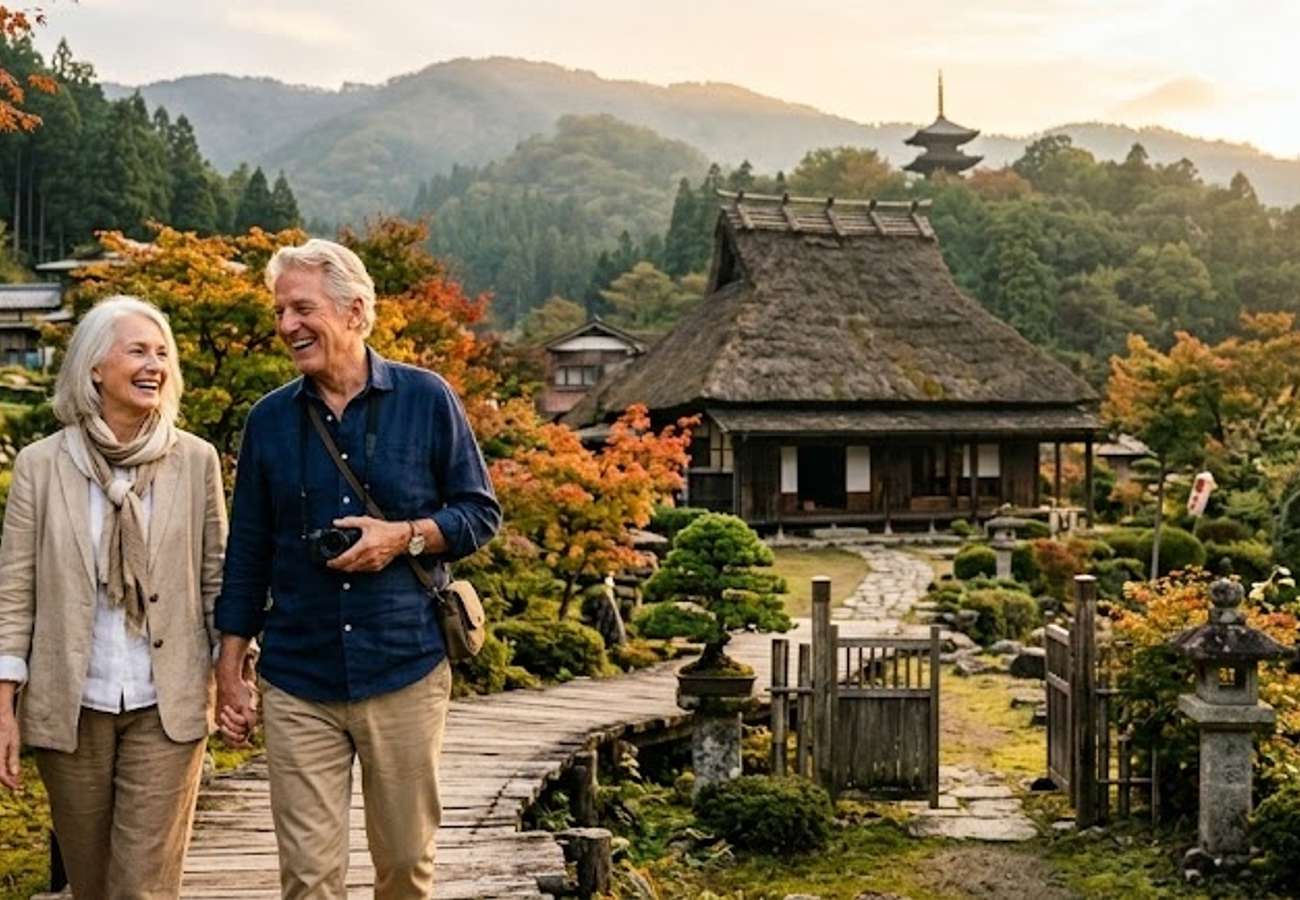
Image generated by AI
Asia’s most powerful travel markets are abandoning the pursuit of raw visitor numbers in favor of "experience intensity," shifting toward premium, life-changing journeys that prioritize local authenticity over crowded landmarks.
The Local Trend Revealed
A fundamental transformation is sweeping through the tourism strategies of Thailand, Japan, and South Korea. For decades, the primary metric of success for these nations was the total number of international arrivals. In 2026, the narrative has shifted. Governments are now implementing policies that prioritize quality, sustainability, and the economic value per visitor rather than simple volume.
This pivot is a direct response to the pressures of overtourism, which has historically strained infrastructure and degraded natural resources. The new mandate focuses on "meaningful adventures"—trips that inspire emotional discovery and foster long-term memories.
In Thailand, this is embodied in the "Value is the New Volume" philosophy. The "New Thailand" strategy moves away from short-term visits to popular hotspots and instead attracts higher-spending travelers interested in the "Amazing 5 Economy" framework, which integrates wellness, culture, gastronomy, sports, and creative arts.
Japan is pursuing a similar path via its 2026 Tourism Nation Promotion Basic Plan. The goal is to decouple tourism growth from the overcrowding of the "Golden Route" (Tokyo, Kyoto, Osaka) and redistribute visitors toward regional communities. By leveraging gastronomy and local traditions, Japan is transforming rural villages into primary destinations.
South Korea has taken a legislative approach to this trend. The 2026 Healing Tourism Industry Act provides a formal legal foundation for wellness travel, treating "healing" not just as a luxury add-on, but as a recognized industrial sector.
Cultural & Environmental Value
This strategic shift is designed to protect regional heritage and ensure that tourism revenue directly supports local economies rather than leaking into international hotel chains.
- Community Income: By promoting regional hubs—such as Krabi and Nakhon Pathom in Thailand, or the 88 designated wellness sites in South Korea—governments are diverting wealth into rural provinces.
- Eco-Conservation: Moving away from mass-market "bucket list" tourism reduces the environmental footprint on fragile ecosystems.
- Heritage Preservation: The focus on "authentic" experiences encourages the revival of traditional crafts and culinary arts that were previously overshadowed by commercialized tourist traps.
Regional Performance Data
The following data highlights the scale of these markets as they transition toward high-value models:
| Destination | Key Metric | Figure | Year |
|---|---|---|---|
| Japan | International Visitors | 36.87 Million | 2024 |
| Japan | International Visitors | 42.68 Million | 2025 |
| Japan | Target Spending by 2030 | ¥15 Trillion | 2030 |
| South Korea | Tourist Arrivals | 18.93 Million | 2025 |
| Singapore | Tourism Receipts | S$32.8 Billion | 2025 |
| Singapore | Total Visitors | 16.9 Million | 2025 |
Visitor Insider Tips
To align with these new tourism trends and avoid the crowds, travelers should adopt the following local strategies:
Thailand: Go Beyond the Beach Avoid the peak crowds of Phuket and Samui. Instead, explore Ayutthaya for historical depth or Prachuap Khiri Khan for a quieter coastal experience. To experience the "Value" shift, book stays at community-based homestays which are now heavily supported by regional tourism programs.
Japan: The Gastronomy Gateway Use regional cuisine as your map. Instead of dining in Ginza, seek out "gastronomy tourism" projects in the Tohoku or Kyushu regions. These areas offer deep connections between food, history, and local farmers, often providing a more authentic glimpse into Japanese life.
South Korea: The Healing Circuit Look for the 20 specialized "healing tourism" locations designated for international visitors. These sites offer a blend of cutting-edge healthcare expertise and traditional Korean wellness practices (such as Jjimjilbang and forest bathing) that are legally supported under the 2026 Act.
General Etiquette As these countries move toward "low-volume, high-value" models, there is an increased emphasis on respectful, slow travel. Avoid "hit-and-run" sightseeing. Engaging with local guides and spending longer periods in one location is highly encouraged and often rewarded with access to exclusive, non-commercial experiences.
Tourism Outlook
The long-term impact of this shift is a more resilient and sustainable tourism ecosystem. By diversifying their offerings, these nations are reducing their vulnerability to the volatility of mass-market travel.
For Thailand, the challenge remains in maintaining this value-focused strategy as visitor numbers continue to climb. For Japan, the success of the 2030 target depends on how effectively they can move travelers from the cities to the countryside. For South Korea and Singapore, the focus is on continuous innovation—whether through legislative frameworks for wellness or the "Culinary Capital" campaigns.
Ultimately, the 2026 trend signals the end of the "checklist" vacation. The future of Asian travel is personal, premium, and profoundly connected to the local soil.
Travel is no longer about where you went, but how it changed you.
Related Travel Guides
Disclaimer
This article is for informational and educational purposes only. It does not constitute legal, financial, or professional advice. While we strive to provide accurate and up-to-date information, travel policies, regulations, and conditions change rapidly. Always verify information with official sources before making travel decisions. Nomad Lawyer makes no representations about the accuracy, reliability, completeness, or suitability of the information provided. Readers should consult qualified professionals for advice specific to their circumstances. The views expressed in this article are those of the author and do not necessarily reflect the views of Nomad Lawyer.
Raushan Kumar
Founder & Lead Developer
Full-stack developer with 11+ years of experience and a passionate traveller. Raushan built Nomad Lawyer from the ground up with a vision to create the best travel and law experience on the web.
Learn more about our team →