Texas Travel Changes: Officials Review Alleged Birth Tourism Schemes Across Healthcare Sector

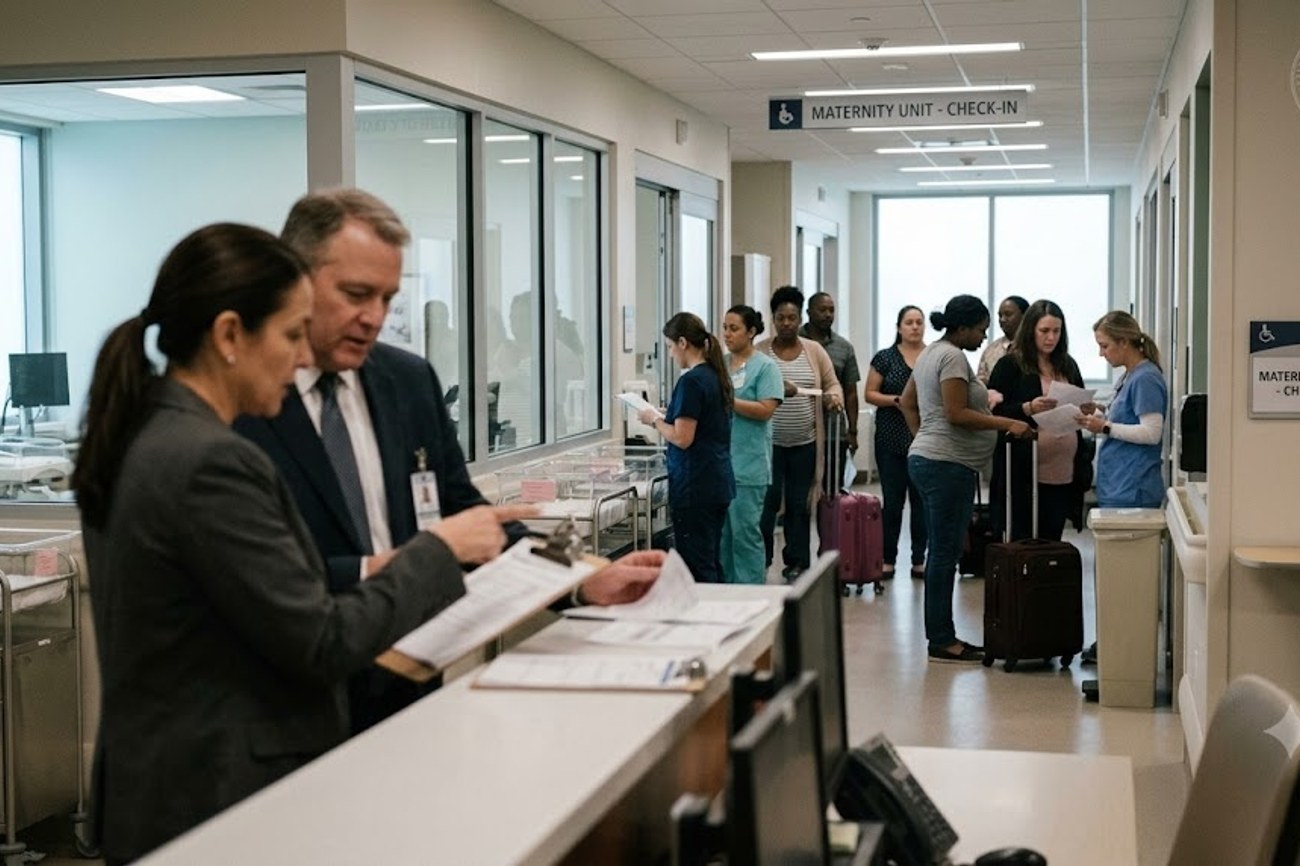
Image generated by AI
Medical tourism expenditures in the United States have historically mirrored a growth trajectory of approximately 12% to 15% annually, yet the current regulatory crackdown in Texas signals a pivot from open-market expansion to high-scrutiny compliance. While the state continues to leverage its position as a global healthcare hub, the recent directive from Governor Greg Abbott to the Texas Health and Human Services Commission (HHSC) indicates that the era of unregulated "maternity packages" is ending. This shift is not a rejection of medical travel, but a targeted strike against the intermediaries facilitating what the state defines as unlawful birth tourism schemes.
The Texas Regulatory Shift in Numbers
The current investigation is not a broad sweep of international visitors but a surgical focus on the infrastructure of birth tourism. The Texas Attorney General’s Office and the HHSC are specifically targeting the "facilitators"—the healthcare providers and organizations that market structured birth packages to foreign nationals.
The data indicates that the state is prioritizing the integrity of immigration compliance over the immediate revenue generated by these specific medical visits. For the providers involved, the stakes are quantified by potential administrative penalties, license restrictions, and contract limitations. This move aligns with a broader national trend where the International Air Transport Association (IATA) and other global bodies emphasize the necessity of aligning travel purpose with visa declarations to maintain the fluidity of international borders.
The focus remains on three specific data points of failure:
- The use of misleading information during the visa application process.
- The promotion of "guaranteed" immigration outcomes by unofficial intermediaries.
- The misuse of immigration systems to secure birthright citizenship.
Comparative Context: Medical Tourism vs. Birth Tourism
To understand the scale of this movement, one must distinguish between general medical tourism—which Texas actively encourages—and the specific subset of birth tourism currently under investigation. Houston, for example, remains a global leader in oncology and cardiology, attracting thousands of high-net-worth international patients annually. These patients typically enter under clear medical necessity, a stark contrast to the "packages" currently being scrutinized.
The following table illustrates the divergence in how Texas is currently treating different segments of international healthcare travel.
| Metric | General Medical Tourism (Specialized Care) | Birth Tourism (Under Investigation) |
|---|---|---|
| State Stance | Actively Promoted / Economic Driver | Highly Scrutinized / Regulatory Target |
| Primary Driver | Specialized Expertise / Shorter Wait Times | Immigration Status / Citizenship |
| Regulatory Focus | Quality of Care / Payment Compliance | Visa Fraud / Legal Facilitation |
| Provider Risk | Low (Standard Licensing) | High (License Restrictions / Penalties) |
| Entry Requirement | Documented Medical Necessity | Transparency of Visit Purpose |
When compared to other global medical hubs, Texas is moving toward a model of "verified intent." According to data patterns often tracked by Statista, the global medical tourism market is diversifying; however, the U.S. market is uniquely complicated by the intersection of healthcare and citizenship laws. While countries in Southeast Asia or Europe focus on cost-arbitrage for surgeries, the U.S. trend is increasingly defined by the legalities of the "purpose of visit."
Practical Traveler Advisory and Strategic Insights
For the individual traveler, the data suggests that the "grey area" of medical travel is disappearing. If you are planning a trip to Texas for any healthcare-related service in the coming quarters, the following actionable steps are now essential to avoid entry complications:
1. Audit Your Intermediaries: Avoid any agency or "consultant" that promises a guaranteed immigration result or suggests that birth in the U.S. provides a shortcut to legal status. The Texas government is specifically targeting these entities.
2. Align Documentation with Intent: Ensure that the purpose of your visit stated on your visa application matches your actual activities. Discrepancies between a "leisure" visa and a "maternity" stay are now primary red flags for border officials.
3. Verify Provider Legitimacy: Before booking, confirm that your healthcare provider is a licensed institution and not a third-party "concierge" service. The current investigations target those who market "packages" rather than those providing standard medical care.
4. Financial Transparency: Be prepared to provide proof of funds for healthcare payments. The state is emphasizing healthcare payment responsibilities to ensure that international visitors do not become a burden on public health resources.
Forward Projection: The Future of Texas Medical Travel
Based on the current trajectory of the HHSC and the Attorney General's Office, we can project a move toward a more formalized "Medical Visitor Registry" or stricter reporting requirements for providers who treat non-resident patients. The state is unlikely to stifle the broader medical tourism economy—which supports hotels, transportation, and restaurants in cities like Dallas, San Antonio, and Houston—but it will likely implement a "Know Your Patient" (KYP) framework similar to the "Know Your Customer" (KYC) rules in banking.
We expect to see a year-over-year increase in the number of administrative penalties levied against unlicensed "birth coordinators." This will likely push the birth tourism market underground or shift it toward states with less aggressive enforcement. However, for the legitimate medical traveler seeking specialized treatment at the Texas Medical Center, the environment will likely become more streamlined as the state clears out fraudulent intermediaries.
The broader movement is toward the professionalization of medical travel. As the World Travel & Tourism Council (WTTC) continues to track the recovery of international arrivals, the emphasis is shifting from quantity (number of visitors) to quality (compliance and high-value spend). Texas is simply the first major state to apply this logic to the maternity sector.
FAQ: Texas Medical Travel 2024
Is it illegal to give birth in Texas as a foreign national? No. Giving birth in the U.S. is not automatically illegal. The current investigations target fraud, the provision of misleading information to authorities, and businesses that facilitate the misuse of immigration systems.
Will these investigations make it harder to get a medical visa? Not for legitimate medical needs. However, applicants whose documentation is vague or who use unofficial intermediaries may face increased scrutiny during the visa interview and at the port of entry.
Which cities in Texas are most affected by these changes? Houston is the primary focus due to its massive medical sector, though Dallas, Austin, and San Antonio are also under the umbrella of these state-wide regulatory shifts.
Should I cancel my medical appointment in Texas? No, provided your visit is for legitimate healthcare and your documentation is accurate. The state's focus is on unlawful schemes and fraudulent providers, not on patients seeking genuine medical care.
The shift from "package-based" birth tourism to "compliance-based" medical travel marks a new era of transparency for the Lone Star State.
Related Travel Guides
- Victory Cruise Lines Unveils 2027 Florida Coastal Cruises Featuring Southern Cities And Island Escapes
- Galveston and More Welcome New Cruise Escapes as Carnival Jubilee and Others Expand Caribbean Voyages
- Wyoming’s Devils Tower Celebrates 120 Years as America’s First National Monument With New Travel Experiences
This article is for informational purposes. Flight routes, passenger regulations, visa rules, and transit advisories are subject to change by airlines and aviation authorities. Readers are advised to verify schedules and travel documentation with relevant carriers and border agencies before departure.
Related Stories

Margaritaville at Sea Launches 2027 Unlimited Cruise Membership Across Florida and Texas Ports

The Hidden Economics of Ultra-Luxury World Cruises: Inside the Six-Figure Voyages Dominating High-Net-Worth Travel