
Taiwan Weather Crisis 2026: Flood Risks Disrupt Travel to Kaohsiung Tainan Hualien and Taitung
Severe rainfall and low-pressure systems trigger work and school cancellations across Southern and Eastern Taiwan, impacting key tourism hubs and transport networks in 2026.

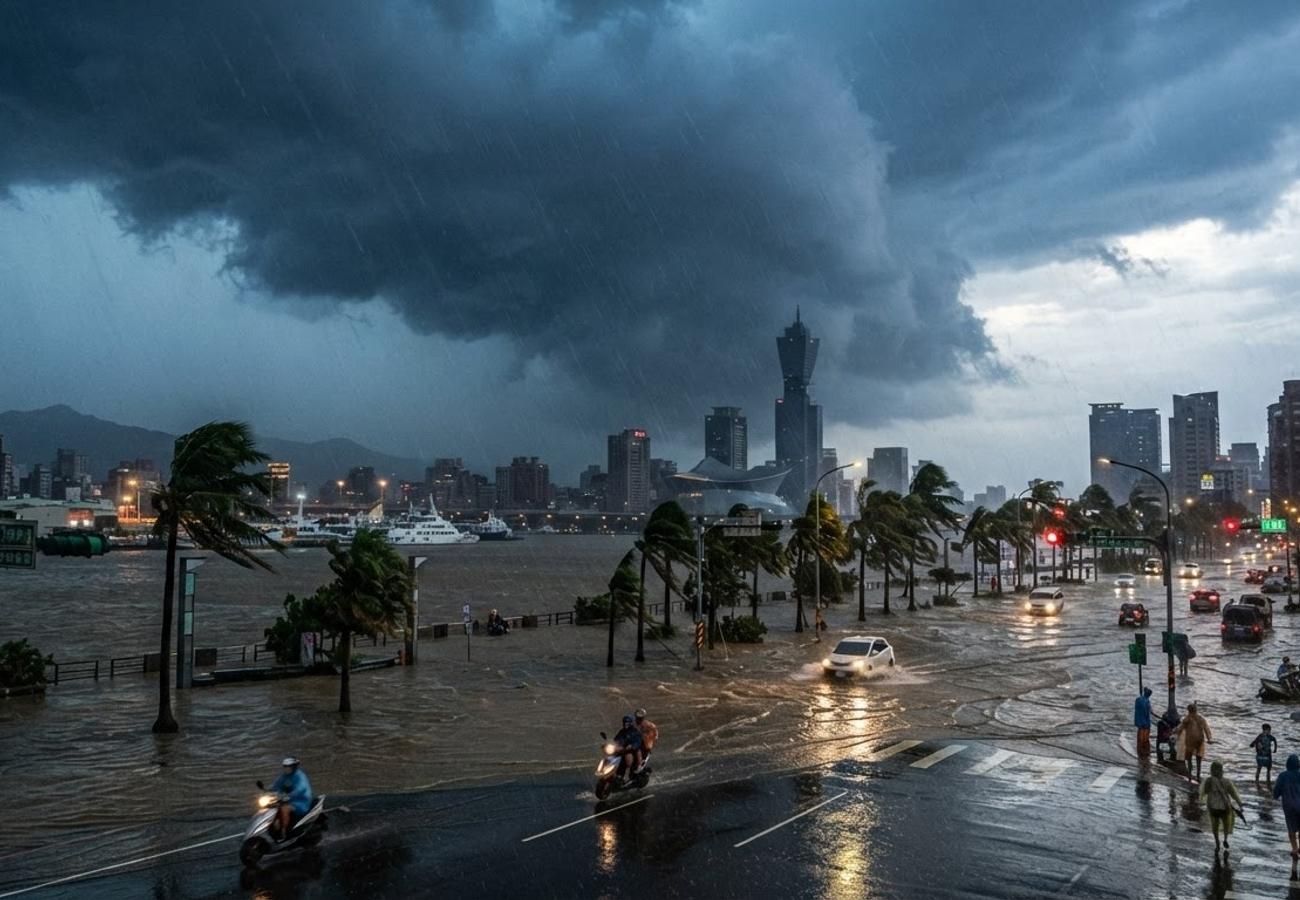
Image generated by AI
Severe rainfall and southwesterly winds have forced the suspension of work and school operations across six major Taiwanese regions, creating immediate disruptions for international visitors.
The Southern Shift: Urban Hubs Under Pressure
On August 24, 2026, a powerful low-pressure system combined with strong southwesterly winds triggered a localized crisis across southern and eastern Taiwan. Authorities implemented emergency closures in Tainan, Kaohsiung, Pingtung, Chiayi, Hualien, and Taitung to mitigate the risks of severe flooding and landslides.
For the modern traveler, the impact is most visible in the urban corridors of Tainan and Kaohsiung. These cities serve as the primary gateways to Taiwan's historic districts and coastal landmarks. While the hospitality sector—including hotels and restaurants—remains operational, the "last mile" of tourism has been severed. Local officials in Kaohsiung have reported significant accumulated rainfall, leading to flooding incidents across multiple districts that have rendered several roads impassable.
Eastern Vulnerabilities and Nature Tourism
The situation in Eastern Taiwan, specifically Hualien and Taitung, presents a different set of risks. Unlike the urban flooding of the south, the eastern region's dramatic mountainous geography makes it highly susceptible to landslides during prolonged precipitation.
Visitors targeting national parks, coastal viewpoints, and mountain trails face the highest level of disruption. Because rainfall levels have reached dangerous thresholds, authorities have imposed strict safety checks and temporary closures of nature-based attractions. The real impact for the visitor is a total loss of access to the region's primary draw: its rugged, outdoor scenery.
Transport Gridlock and Infrastructure Strain
Taiwan's tourism model relies on a seamless blend of high-speed rail and regional transit to connect cities with the coast and mountains. This weather event has placed immense pressure on these networks.
Rail services have experienced intermittent disruptions as flooding hazards affect track operations. While international airports and border entry points remain open—meaning visas and import/export procedures are unaffected—the internal movement between major cities and regional attractions is currently volatile. Travelers are finding that while they can enter the country, they cannot easily move toward their intended southern or eastern destinations.
Cultural and Environmental Value
This event is more than a temporary inconvenience; it is a signal of the growing climate challenges facing Asian tourism. The reliance on "access to the outdoors" as a primary product makes destinations like Hualien particularly fragile.
For the visitor, the experience shifts from sightseeing to navigating emergency protocols. The resilience of Taiwan's tourism industry now depends on real-time communication between regional conservation bodies and transport operators. Supporting local economies during these windows requires a shift toward indoor cultural experiences—such as visiting urban museums or local craft markets—rather than insisting on mountain excursions that put rescue teams at risk.
Visitor Insider Tips
To navigate this period or similar future events, travelers should adopt these local strategies:
- The "Rainy Day" Pivot: When southern cities like Tainan face closures, shift your itinerary to indoor "Foodie Tours" in covered markets or visit the city's numerous indoor art galleries.
- Real-Time Monitoring: Avoid relying on global weather apps. Use the official alerts from the Central Weather Administration (CWA) of Taiwan for precise, district-level warnings.
- Transport Flexibility: If the rail network is disrupted, check for local shuttle bus alternatives, but avoid renting cars for mountain routes in Hualien or Taitung during red-alert rainfall.
- Cultural Etiquette: During emergency closures, avoid visiting "hidden" nature spots. Local authorities view this as a safety hazard, and entering closed areas can lead to fines or the need for costly emergency evacuctions.
Tourism Outlook
The long-term viability of Taiwan's eastern and southern tourism depends on infrastructure hardening. We are seeing a shift toward "destination resilience," where emergency planning is integrated into the tourist experience. While the current disruptions are short-term, the frequency of these intense rainfall systems suggests that "flex-itineraries" will become the standard for any visitor traveling to Asia during the summer months.
Travel safely by prioritizing official alerts over original schedules.
Related Travel Guides
Disclaimer
This article is for informational and educational purposes only. It does not constitute legal, financial, or professional advice. While we strive to provide accurate and up-to-date information, travel policies, regulations, and conditions change rapidly. Always verify information with official sources before making travel decisions. Nomad Lawyer makes no representations about the accuracy, reliability, completeness, or suitability of the information provided. Readers should consult qualified professionals for advice specific to their circumstances. The views expressed in this article are those of the author and do not necessarily reflect the views of Nomad Lawyer.
Kunal K Choudhary
Co-Founder & Contributor
A passionate traveller and tech enthusiast. Kunal contributes to the vision and growth of Nomad Lawyer, bringing fresh perspectives and driving the community forward.
Learn more about our team →