
Taiwan Serves Special Fall Season Dishes to Travelers in Jin Long and Other Restaurants
Taiwan Serves Special Fall Season Dishes to Travelers in Jin Long and Other Restaurants

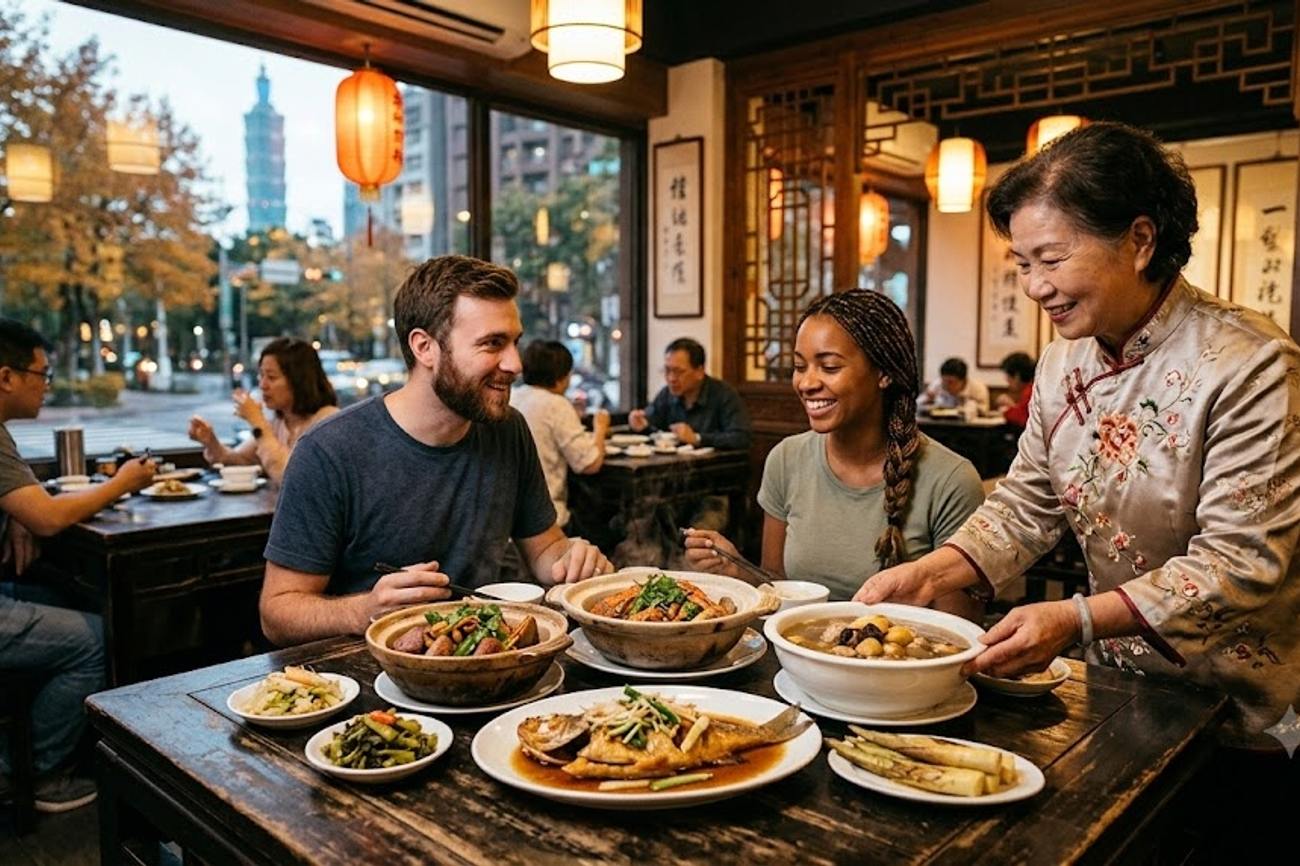
Image generated by AI
Three distinct crab species—mud crab, red crab, and large sand crab—anchor the luxury autumn seafood strategy at The Grand Hotel Taipei for 2026. This targeted focus on hyper-seasonal, regional proteins reflects a broader shift in Taiwan’s hospitality sector, where culinary offerings are being weaponized as primary drivers for international tourism. Rather than relying on static menus, the island's premier dining venues are pivoting toward "limited-time" gastronomic windows to create urgency and exclusivity for the high-spend traveler.
The Strategic Pivot to Seasonal Gastronomy
The emergence of the 2026 autumn culinary movement in Taiwan is not merely a trend in menu planning; it is a calculated effort to align tourism cycles with agricultural and maritime harvests. By synchronizing restaurant offerings with the cooler months, the industry is attempting to decouple Taiwan's appeal from traditional sightseeing and re-anchor it in "food-focused exploration." This strategy leverages the geography of the island—from the deep-water ports of the east coast to the mountain terraces of the interior—to create a diversified product offering that appeals to the modern "culinary nomad."
This shift is particularly evident in the integration of traditional banquet culture with modern presentation. For example, the move toward "Slow Food" concepts in rural areas, such as the Chenggong Township, indicates a desire to draw international visitors away from the Taipei metropolitan bubble and into the Indigenous landscapes of Taitung. By branding these as "Moonlight Dinners" or "Sea Feasts," the industry is packaging cultural heritage as a premium, consumable experience.
2026 Autumn Culinary Inventory and Availability
The following data outlines the specific logistical windows and thematic focuses for the 2026 season. Travelers should note the tight availability of certain events, particularly those tied to specific dates like the Chenggong Sea Feast.
| Venue / Restaurant | Location | Primary Autumn Offering | Key Seasonal Ingredients | Availability Window |
|---|---|---|---|---|
| Jin Long & Yuan Yuan (The Grand Hotel) | Taipei | “Autumn Colours, Crab Encounter” | Mud, red, and sand crabs; grouper | September–November 2026 |
| Jiangnan Spring (Caesar Park Banqiao) | New Taipei City | Autumn Food Festival Family Feast | Water bamboo shoots, bitter tea oil, wild mushrooms | Sept 1–Oct 31, 2026 |
| Sunny Buffet (ILLUME TAIPEI) | Taipei | Global Gourmet Festival Autumn Menu | Pan-regional autumn desserts and savory dishes | Sept 1–Nov 30, 2026 |
| A Joy (Taipei 101) | Taipei | Gastronomic Symphony: Autumn Chapter | Land-based ingredients; fire-cooking techniques | Autumn 2026 |
| Yue Ming Cantonese (Courtyard by Marriott) | Taipei | 2026 Taiwan Food Festival Pork Feast | Black gold char siu, pineapple tomahawk pork | July 15–Oct 4, 2026 |
| Engolili Restaurant | Taipei | Autumn Luxury Truffle Feast | Truffle cheese beef pancake, garden risotto | September 1–30, 2026 |
| 2026 Chenggong Sea Feast | Taitung | Ocean Slow Food $\times$ Moonlight Dinner | East Coast seafood, Taitung agricultural produce | September 26, 2026 |
| Various Hotel Venues | National | Mid-Autumn Festival Celebrations | Mooncakes, pomelo, BBQ gatherings | September 2026 |
Expert Analysis: The Economics of "Limited-Time" Dining
For the international traveler, the direct consequence of this seasonal shift is a transition from "menu-based" dining to "event-based" dining. When a restaurant like Yue Ming Cantonese limits its "Taiwan Pork Feast" to a window ending October 4, it creates a scarcity model that encourages travelers to book their entire itinerary around a specific meal. This is a sophisticated move toward increasing the "Average Daily Spend" per tourist by bundling luxury accommodation with non-replicable dining events.
The pricing pressure created by this model generally pushes costs upward. By utilizing "premium marine produce" and "luxury truffle" imports, venues are targeting the luxury segment of the market. However, the real value for the traveler lies in the access to regional specialties—such as bitter tea oil or water bamboo shoots—that are rarely available outside of these specific windows.
From a regulatory and logistical standpoint, this trend aligns with the goals of the Taiwan Tourism Administration, which seeks to promote the island's "rich identity" through immersive programs. By blending heritage recipes with modern creativity, Taiwan is positioning itself against regional competitors like Japan or South Korea, who have long used seasonal "kaiseki" or "hanjeongsik" to drive autumn tourism. The use of high-profile locations like Taipei 101 further elevates the perceived value of these menus, turning a meal into a landmark experience.
Furthermore, the integration of the Mid-Autumn Festival into the commercial hotel offering allows foreign visitors to participate in a cultural ritual—the BBQ and mooncake tradition—without needing local social connections. This "commercialization of culture" lowers the barrier to entry for the solo international traveler, making the destination feel more accessible while maintaining an aura of authenticity.
Key Takeaways
- Hyper-Seasonal Windows: Most premium menus are restricted to a 60-day window (roughly September to October), requiring precise itinerary planning.
- Regional Diversification: While Taipei remains the hub, the 2026 season pushes high-value "Slow Food" experiences into the Taitung region, specifically in Chenggong Township.
- Ingredient Specialization: The 2026 season is defined by three specific luxury pillars: high-end crustacean feasts (mud/red/sand crabs), modern pork interpretations (pineapple tomahawk), and European-Asian fusion (truffle-based menus).
- Cultural Integration: The Mid-Autumn Festival in September serves as the primary cultural anchor, with hotels offering curated BBQ and mooncake experiences for non-residents.
FAQ: Taiwan Autumn Dining 2026
When is the best time to visit Taiwan for seasonal food in 2026? The peak window is September through November. Most specialized menus, including the crab feasts at The Grand Hotel and the truffle events at Engolili, are active during this period, coinciding with the Mid-Autumn Festival in September.
Do I need reservations for these seasonal menus? Yes. Given the limited-time nature of these offerings—especially the one-day Chenggong Sea Feast on September 26, 2026—advance booking via hotel concierges or restaurant portals is highly recommended.
What are the "must-try" seasonal ingredients for Autumn 2026? Focus on mud crab, red crab, and large sand crab in Taipei, and look for water bamboo shoots, bitter tea oil, and East Coast seafood when traveling toward Taitung.
Are these dining experiences suitable for dietary restrictions? Most venues, particularly the Global Gourmet Festival at Sunny Buffet, offer a variety of cuisines. However, specialized feasts (like the Pork Feast at Yue Ming) are protein-specific; travelers should contact venues in advance for modifications.
The 2026 autumn season transforms the Taiwanese plate into a map of the island's geography, where the window for tasting is as narrow as the margin for error in a traveler's calendar.
#TaiwanFoodTourism2026 #Taipei101Dining #TaitungSlowFood #MidAutumnFestival2026 #GrandHotelTaipei #TaiwanCulinaryTravel
Related Travel Guides
Disclaimer
This article is for informational and educational purposes only. It does not constitute legal, financial, or professional advice. While we strive to provide accurate and up-to-date information, travel policies, regulations, and conditions change rapidly. Always verify information with official sources before making travel decisions. Nomad Lawyer makes no representations about the accuracy, reliability, completeness, or suitability of the information provided. Readers should consult qualified professionals for advice specific to their circumstances. The views expressed in this article are those of the author and do not necessarily reflect the views of Nomad Lawyer.
Kunal K Choudhary
Co-Founder & Contributor
A passionate traveller and tech enthusiast. Kunal contributes to the vision and growth of Nomad Lawyer, bringing fresh perspectives and driving the community forward.
Learn more about our team →