
Greece's Syros Shines as Historic Apollo Theatre Drives Cultural Tourism and Heritage Preservation in 2026
The 1864 Apollo Theatre in Ermoupoli, Syros, spearheads an autumn cultural tourism renaissance across the Cyclades through heritage restoration and community arts.

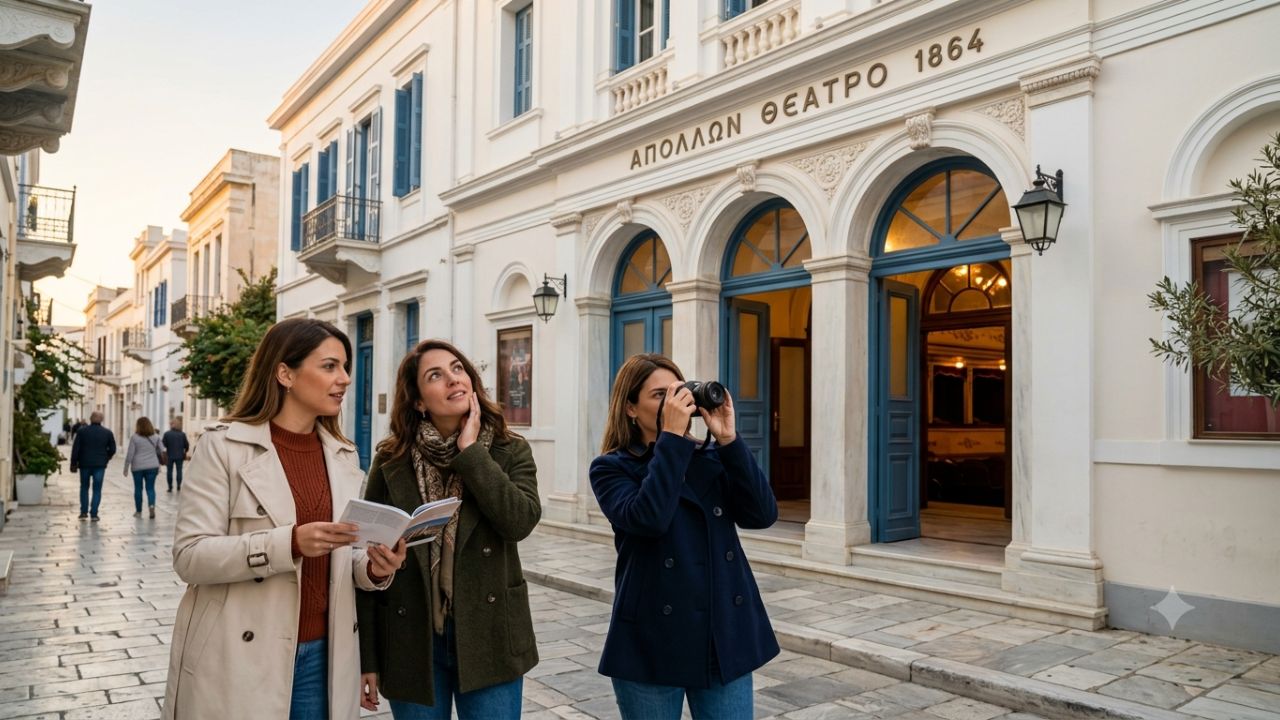
The nineteenth-century Apollo Theatre in Ermoupoli, Syros, spearheads cultural tourism and architectural heritage preservation across the Cyclades in 2026.
In the heart of the Cyclades, the historic island of Syros is redefining Greek island travel this autumn, positioning its legendary nineteenth-century Apollo Theatre as a flagship beacon for architectural heritage preservation and year-round cultural tourism. Located in the neoclassical marble capital of Ermoupoli, the storied theater—celebrated as a miniature Italian opera house in the Aegean—is undergoing targeted municipal preservation upgrades while hosting an eclectic autumn calendar of historical symposia, social festivals, and classical arts. Supported by the Greek National Tourism Organisation (GNTO), the initiative highlights Syros’s distinctive appeal as a sophisticated cultural counterweight to the sun-and-sea party circuits of neighboring Mykonos and Santorini.
Inaugurated in 1864 and designed by Italian architect Pietro Sambo, the Apollo Theatre (Theatro Apollon) stands as a testament to Ermoupoli’s golden era as nineteenth-century Greece’s premier maritime and mercantile hub. Recent conservation efforts, including a June 2026 municipal intervention replacing deteriorating external window and door frames, balance structural preservation with live performance requirements. As European travelers increasingly seek immersive autumn getaways that extend beyond coastal sunbathing, Syros’s blend of neoclassical grandeur, medieval hilltop alleys in Ano Syros, and living performing arts demonstrates how heritage protection can sustainably diversify island tourism economies.
An Architectural Masterpiece: Pietro Sambo’s 1864 Opera House
The origins of the Apollo Theatre reflect the extraordinary economic prosperity of Ermoupoli following the Greek War of Independence. As merchants, shipowners, and refugees from Chios, Psara, and Crete transformed Syros into the Mediterranean’s leading commercial port, civic leaders sought a dedicated cultural institution to rival Europe's finest capitals.
                      ┌──────────────────────────────────────────────┐
                      │    Architectural Inspirations of Apollon     │
                      └──────────────────────┬───────────────────────┘
                                             │
             ┌───────────────────────────────┼───────────────────────────────┐
             ▼                               ▼                               ▼
    ┌──────────────────┐           ┌──────────────────┐           ┌──────────────────┐
    │  La Scala, Milan │           │Teatro San Carlo  │           │Teatro della      │
    │ • Tiered Loges   │           │     (Naples)     │           │Pergola (Florence)│
    │ • Horseshoe Hall │           │ • Royal Grandeur │           │ • Intimate Pit   │
    │ • Vaulted Ceiling│           │ • Ornate Frescoes│           │ • Wood Acoustics │
    └──────────────────┘           └──────────────────┘           └──────────────────┘
Constructed between 1862 and 1864 under the direction of Italian architect Pietro Sambo, the theater synthesizes the architectural vernacular of four legendary Italian opera houses: Milan’s Teatro alla Scala, Naples’s Teatro di San Carlo, Florence’s Teatro della Pergola, and the academic theater in Castelfranco.
- The Horseshoe Auditorium: The hall features a classic Italian horseshoe design with three tiers of ornate wooden loges (theia), plush velvet seating, and a painted ceiling vault adorned with portraits of great composers including Verdi, Rossini, Bellini, and Mozart.
- The Opening Triumph: The theater opened its doors on 20 April 1864 with a celebrated staging of Giuseppe Verdi’s Rigoletto, followed by Gaetano Donizetti’s La Favorita.
- Decades of Resilience: Surviving wartime damage, decay, and decades of abandonment, the building was painstakingly restored through a multi-million-euro rehabilitation programme that culminated in its triumphant reopening on 17 July 2000.
| Historical Phase | Timeframe | Key Milestones & Structural Developments |
|---|---|---|
| Construction & Inauguration | 1862–1864 | Designed by Pietro Sambo; opened 20 April 1864 with Verdi’s Rigoletto |
| Golden Maritime Era | 1870–1910 | Hosted leading Italian opera troupes, Greek theater stars, and civic galas |
| Decline & Closure | 1944–1990 | Suffered structural damage during WWII; closed due to decay and instability |
| Comprehensive Restoration | 1990–2000 | Reconstructed with original acoustic and decorative details; reopened July 2000 |
| Modern Heritage Upgrades | 2026 & Beyond | Municipal joinery restoration, climate controls & year-round festival hosting |
Heritage Preservation Meets Contemporary Visitor Infrastructure
Safeguarding a 162-year-old performing arts venue against Aegean maritime humidity and salt corrosion requires proactive, specialized maintenance. In June 2026, the Municipality of Syros-Ermoupoli launched a targeted conservation intervention focused on repairing and replacing external timber frames, windows, and main entry portals to prevent water ingress while preserving historical fidelity.
┌────────────────────────────────────────────────────────────────────────┐
│             Apollo Theatre Heritage Preservation Protocol 2026         │
├────────────────────────────────────────────────────────────────────────┤
│ 1. Traditional Wood Joinery: Custom timber frames matching 1864 specs  │
│ 2. Post-Summer Decompression: Scheduled maintenance following festivals│
│ 3. Climate & Humidity Balancing: Advanced microclimate interior meters │
│ 4. Acoustic Integrity Checks: Soundboard preservation without dampers  │
│ 5. Archival Museum Conservation: Rotating costumes and playbills       │
└────────────────────────────────────────────────────────────────────────┘
The theater operates under strict municipal regulations that enforce scheduled maintenance windows immediately following the intensive summer festival season (which hosts the Aegean Festival and the International Classical Music Festival of Cyclades). By allocating autumn windows for preservation work, authorities ensure the venue remains structurally sound while continuing to serve as an active community gathering place.
Beyond the main auditorium, the theater houses a dedicated Historical Exhibition Room, displaying rare original nineteenth-century playbills, cast photographs, archival costumes, and historical documents that chronicle Ermoupoli's evolution from a desert island haven into an intellectual capital.
The Autumn 2026 Cultural Programme in Ermoupoli
Far from being a static museum relic, the Apollo Theatre serves as the beating pulse of Ermoupoli’s civic calendar. The official October 2026 schedule brings together maritime scholarship, community initiatives, and regional historical ties:
┌────────────────────────────────────────────────────────────────────────┐
│             Apollo Theatre October 2026 Cultural Schedule              │
├───────┬──────────────────────┬─────────────────────────────────────────┤
│ Date  │ Event Name           │ Description & Cultural Significance     │
├───────┼──────────────────────┼─────────────────────────────────────────┤
│ 14 Oct│ Maritime History     │ Public lecture examining Aegean naval   │
│       │ Symposium            │ trade, shipbuilding, and Syros heritage │
├───────┼──────────────────────┼─────────────────────────────────────────┤
│ 18–19 │ MAZI Festival 2026   │ Community initiative promoting civic    │
│ Oct   │                      │ awareness, social cohesion, and arts    │
├───────┼──────────────────────┼─────────────────────────────────────────┤
│ 21 Oct│ Peloponnese–Syros    │ Commemorative performance highlighting  │
│       │ Cultural Exchange    │ migration and shared liberation roots   │
├───────┼──────────────────────┼─────────────────────────────────────────┤
│ Daily │ Heritage Exhibition  │ Guided tours of Pietro Sambo's loges,   │
│       │ & Architectural Walk │ ceiling frescoes, and archival costume  │
└───────┴──────────────────────┴─────────────────────────────────────────┘
Note for Travelers: The municipal cultural directorate confirmed that the fourth Syros Musical Fairytale Festival, originally planned for 31 October and 1 November, was removed from the calendar due to scheduling updates. Visitors traveling specifically for scheduled performances should verify daily timetables through the theater’s official portal or at the box office.
Syros as an Autumn Island Escape: Beyond the Summer Peak
For travelers seeking meaningful Mediterranean journeys, autumn in Syros offers an enticing alternative to crowded summer beach holidays. With October daytime temperatures hovering comfortably between 20°C and 25°C, Ermoupoli provides ideal conditions for architectural walking tours, museum visits, and culinary exploration:
┌────────────────────────────────────────────────────────────────────────┐
│             A 48-Hour Cultural Itinerary in Ermoupoli, Syros           │
├───────────────────┬────────────────────────────────────────────────────┤
│ Day 1 Morning     │ Stroll Miaouli Square; tour neoclassical Town Hall │
│                   │ and the grand Apollo Theatre auditorium & museum   │
├───────────────────┼────────────────────────────────────────────────────┤
│ Day 1 Afternoon   │ Walk the Vaporia waterfront; admire sea captains'  │
│                   │ mansions and the blue dome of Saint Nicholas Church│
├───────────────────┼────────────────────────────────────────────────────┤
│ Day 1 Evening     │ Attend an evening concert or lecture at Apollon;   │
│                   │ seaside dining on local San Michali cheese & wine  │
├───────────────────┼────────────────────────────────────────────────────┤
│ Day 2 Morning     │ Ascend the hill of medieval Ano Syros; explore     │
│                   │ Catholic Saint George Cathedral & rebetiko alleys  │
├───────────────────┼────────────────────────────────────────────────────┤
│ Day 2 Afternoon   │ Visit the Markos Vamvakaris Museum; sample traditional│
│                   │ Loukoumi (Turkish delight) and Halvadopita nougat  │
└───────────────────┴────────────────────────────────────────────────────┘
- Miaouli Square & Neoclassical Mansions: Named after Admiral Andreas Miaoulis, Ermoupoli’s central square is paved entirely with marble, framed by palms and the imposing nineteenth-century Town Hall designed by celebrated architect Ernst Ziller.
- The Vaporia Quarter: Known as "Little Venice," this aristocratic waterfront neighborhood features grand multi-story mansions built directly into the sea by wealthy 19th-century shipowners, anchored by the majestic Church of Agios Nikolaos.
- The Medieval Citadel of Ano Syros: Perched on the hill overlooking the harbor, Ano Syros was founded by the Venetians in the 13th century. Its narrow stone steps, Catholic cathedral of San Giorgio, and intimate tavernas preserve the birthplace of Markos Vamvakaris, the founding father of Greek rebetiko music.
Practical Visitor Guide: Visiting the Apollo Theatre
Travelers planning to explore Ermoupoli and the Apollo Theatre should note the following visiting details:
- Location: Central Ermoupoli, facing Vardaka Square, just a 5-minute walk from the main port of Syros.
- Visiting Hours: The theater is generally open to visitors for self-guided architectural tours Monday through Saturday from 10:00 to 14:00, and from 18:00 to 21:00. Evening access is subject to rehearsal schedules and scheduled ticketed performances.
- Admission: Standard exhibition admission is €3 per person, which includes access to the stalls, upper loges, and the historical costume archive.
- How to Reach Syros: Syros is connected to Piraeus (Athens) via daily year-round ferries (2 hours on high-speed catamarans, 3.5 hours on conventional car ferries). Syros Island National Airport (JSY) also operates direct domestic flights from Athens International Airport (ATH).
Frequently Asked Questions
When was the Apollo Theatre in Syros built?
The Apollo Theatre was constructed between 1862 and 1864, designed by Italian architect Pietro Sambo, and officially inaugurated on 20 April 1864 with Verdi's opera Rigoletto.
Which famous theaters inspired the design of the Apollo Theatre?
The theater's architecture was influenced by Italy's La Scala in Milan, Teatro San Carlo in Naples, Teatro della Pergola in Florence, and the academic theater in Castelfranco.
What are the visiting hours for the Apollo Theatre?
The theater is generally open for visitor tours from 10:00 to 14:00 and 18:00 to 21:00, although evening hours may vary depending on rehearsals and live performances.
What preservation work took place at the theater in 2026?
In June 2026, a targeted municipal conservation project replaced and restored the external timber window and door frames to protect the historic building against marine moisture.
Related Travel Guides
Disclaimer
This article is for informational and educational purposes only. It does not constitute legal, financial, or professional advice. While we strive to provide accurate and up-to-date information, travel policies, regulations, and conditions change rapidly. Always verify information with official sources before making travel decisions. Nomad Lawyer makes no representations about the accuracy, reliability, completeness, or suitability of the information provided. Readers should consult qualified professionals for advice specific to their circumstances. The views expressed in this article are those of the author and do not necessarily reflect the views of Nomad Lawyer.
Kunal K Choudhary
Co-Founder & Contributor
A passionate traveller and tech enthusiast. Kunal contributes to the vision and growth of Nomad Lawyer, bringing fresh perspectives and driving the community forward.
Learn more about our team →