
Gqeberha Spotlights South End Heritage Tourism: St Peter's Precinct Upgrades and Cultural Trail Guide
Gqeberha revitalizes its apartheid-era cultural history as Mandela Bay Development Agency advances walkway upgrades at St Peter's Precinct alongside South End Museum.

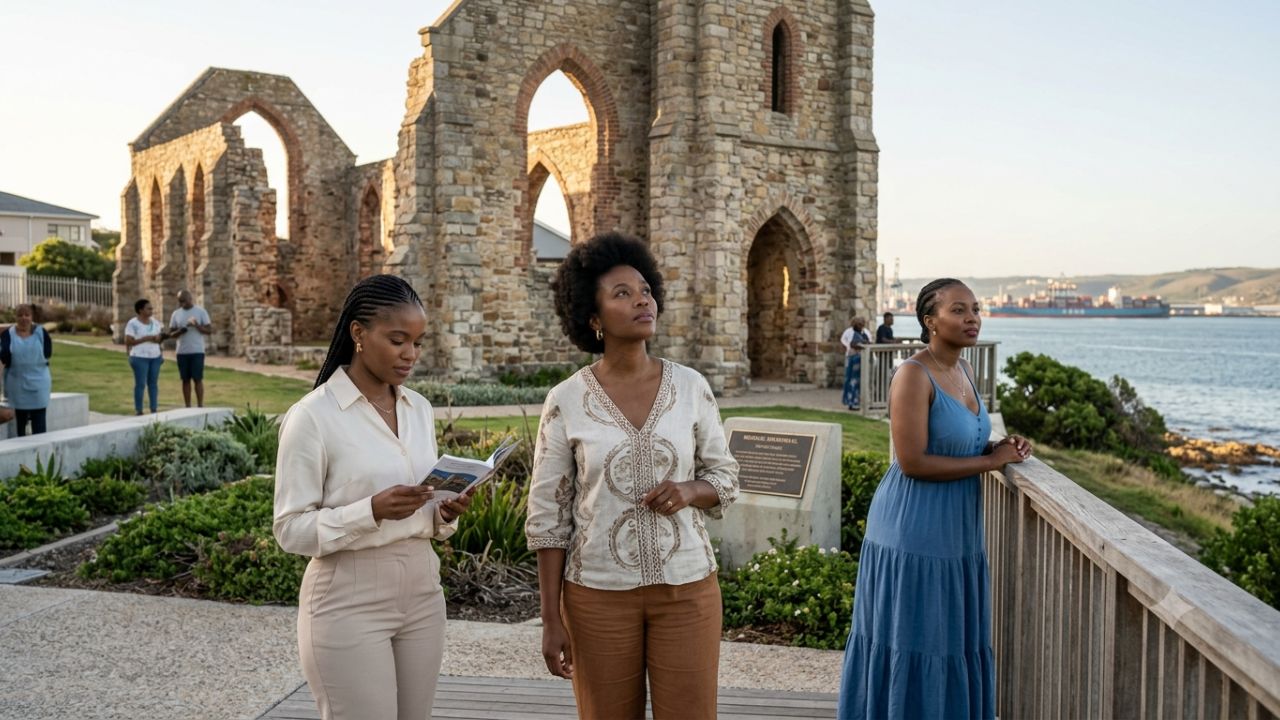
St Peter's Rainbow Village and the South End Museum spearhead cultural heritage tourism in Gqeberha, Nelson Mandela Bay, as infrastructure planning enhances precinct accessibility.
In South Africa's coastal city of Gqeberha, the historic suburb of South End is taking center stage in the Eastern Cape's cultural tourism landscape as the Mandela Bay Development Agency (MBDA) advances strategic pedestrian infrastructure upgrades across the St Peter’s Precinct. Long celebrated primarily for its Indian Ocean beaches and role as an aviation gateway to Addo Elephant National Park, Gqeberha (formerly Port Elizabeth) is actively broadening its destination identity. By uniting the solemn, scenic ruins of St Peter’s Anglican Church—transformed into the community-focused St Peter’s Rainbow Village—with the living historical archives of the South End Museum, the city offers travelers a profound, deeply resonant journey through the resilience of a multicultural community torn apart by apartheid-era forced removals.
The renewed focus on South End aligns with a broader post-pandemic surge in South African inbound tourism, where international visitors increasingly demand authentic, community-led heritage interpretation over superficial sightseeing. Infrastructure planning initiated through MBDA’s professional engineering procurement process focuses on non-motorized transport (NMT) walkways, structural stabilization, and accessible pedestrian connectivity across Gardner Road. By weaving South End into Gqeberha’s established cultural trail networks—including Route 67 and the Donkin Heritage Trail—the municipality provides travel operators with the framework to present a nuanced, comprehensive portrait of South Africa's democratic journey.
Unpacking South End’s History: A Vibrant Melting Pot Displaced
To understand South End’s tourism significance, visitors must grasp the unique social fabric of the neighborhood prior to the mid-twentieth century. Much like Cape Town’s District Six or Durban’s Cato Manor, South End was a thriving, cosmopolitan enclave where Xhosa, Colored, Indian, Chinese, Jewish, and European families lived, worshipped, and traded side by side along steep roads descending toward Algoa Bay.
                      ┌──────────────────────────────────────────────┐
                      │      South End Cultural Heritage Matrix      │
                      └──────────────────────┬───────────────────────┘
                                             │
             ┌───────────────────────────────┼───────────────────────────────┐
             ▼                               ▼                               ▼
    ┌──────────────────┐           ┌──────────────────┐           ┌──────────────────┐
    │  St Peter's Ruins│           │ South End Museum │           │ Wider City Trails│
    │ • 1870s Sanctuary│           │ • Walk-on Map    │           │ • Route 67 Art   │
    │ • Harbour Lookout│           │ • Oral Histories │           │ • Donkin Trail   │
    │ • Rainbow Village│           │ • Forced Removal │           │ • Campanile Hub  │
    └──────────────────┘           └──────────────────┘           └──────────────────┘
The neighborhood's cohesive social life was shattered under the apartheid regime's Group Areas Act of 1950, which declared South End a "whites-only" residential district. Between the late 1950s and mid-1970s, thousands of families were systematically evicted, bulldozers destroyed schools, shops, and family homes, and former residents were relocated to racially segregated townships across the Port Elizabeth periphery. Surviving landmarks—such as St Peter’s Church and select religious shrines—became quiet, enduring monuments to a displaced community.
| Heritage Asset | Location | Core Function & Highlights | Interpretive Value for Visitors |
|---|---|---|---|
| St Peter’s Rainbow Village | 6 Gardner Road, South End | 1870s Anglican church ruins, timber viewing deck, Fisherman’s Cross & open amphitheatre | Contemplative open-air memorial overlooking Algoa Bay harbor |
| South End Museum | Corner of Humewood & Beach Rds | Walk-on street grid, archival family photos, audio recordings & community research hub | Comprehensive social history of the multiracial community and forced removals |
| Route 67 Public Art Trail | Central Gqeberha to Donkin | 67 public artworks honoring Nelson Mandela, including dedicated South End displacement art | Seamless connection between neighborhood trauma and national liberation |
| Donkin Heritage Trail | Central Historical Quarter | 5-kilometer walking route linking 51 historic Victorian and Edwardian sites | Architectural context of Gqeberha's colonial founding and urban growth |
St Peter’s Precinct: From Church Ruins to Accessible Public Memorial
Perched on the ridge of Gardner Road with expansive panoramic vistas of Gqeberha’s working commercial port, St Peter’s Anglican Church was constructed in the 1870s, serving generations of fishermen, harbor laborers, and local tradespeople. Following the community's forced removal, the church lost its congregation, fell victim to fire and neglect, and sat semi-derelict for decades.
Through municipal intervention, the site was stabilized and reborn as St Peter’s Rainbow Village, an open-air public precinct featuring:
- The Fisherman’s Cross: An iconic wooden monument honoring maritime workers and the spiritual foundation of the early parish.
- The Timber Viewing Deck: A raised boardwalk providing sweeping vantage points of Algoa Bay, linking contemplation of maritime heritage with urban history.
- The Stone Amphitheatre: A stepped gathering area designed for outdoor community acoustic performances, poetry readings, and educational lectures.
┌────────────────────────────────────────────────────────────────────────┐
│           St Peter's Precinct Infrastructure Scope (MBDA 06007)        │
├───────────────────┬────────────────────────────────────────────────────┤
│ Structural Review │ Topographical and masonry assessment of 1870s stone│
│                   │ walls to guarantee visitor safety on the ridge     │
├───────────────────┼────────────────────────────────────────────────────┤
│ Walkway Redesign  │ Upgrading pedestrian paths using non-motorised     │
│                   │ transport (NMT) standards for universal mobility   │
├───────────────────┼────────────────────────────────────────────────────┤
│ Feasibility Study │ Tri-option evaluation: structural retention,       │
│                   │ restorative masonry work, and recycled materials   │
├───────────────────┼────────────────────────────────────────────────────┤
│ Landscape Access  │ Smoothing gradient transitions between Gardner Rd, │
│                   │ the timber viewing deck, and community plazas      │
└───────────────────┴────────────────────────────────────────────────────┘
The MBDA’s engineering procurement initiative (MBDA 06007) directly targets visitor accessibility. By appointing registered civil engineers to assess terrain gradients, retaining walls, and pedestrian walkways, the city aims to eliminate physical mobility barriers. This ensures that elderly travelers, educational school groups, and international tour parties can safely navigate the ridge without risking damage to surviving stone structures.
South End Museum: The Narrative Heart of Nelson Mandela Bay
Located just downhill from the church precinct near the beachfront, the South End Museum provides the crucial historical narrative that gives physical ruins their human meaning. Managed by the South End Museum Trust, the institution avoids sterile display cabinets in favor of tactile community memory.
- The Walk-On Street Map: The museum floor features an expansive street grid of pre-removal South End. Former residents frequently visit to pinpoint where their childhood homes, bakeries, or barber shops once stood, offering spontaneous, moving oral histories to traveling visitors.
- Reconstructed Living Spaces: Displays recreate the interior parlors of Xhosa, Colored, and Indian homes, illustrating everyday domestic life, musical traditions, and intercommunal harmony.
- The Forced Removals Corridor: Photographs, government gazette notices, eviction slips, and personal diaries chronicle the painful eviction process, providing an unvarnished educational resource on the human cost of spatial apartheid.
When paired together, South End Museum and St Peter’s Rainbow Village offer tour operators an emotionally balanced, coherent 2-to-3-hour cultural itinerary that contrasts intimate personal testimony with open-air contemplation.
Macroeconomic Momentum: South Africa’s Inbound Tourism Growth
The infrastructure focus on Gqeberha's heritage occurs against a backdrop of strong national tourism growth across South Africa:
┌────────────────────────────────────────────────────────────────────────┐
│             South Africa Inbound Tourism Indicators (2026)             │
├────────────────────────────────┬───────────────────────────────────────┤
│ Jan–Jun 2026 National Arrivals │ 5,584,473 international tourists      │
│                                │ (+12.3% year-on-year increase)        │
├────────────────────────────────┼───────────────────────────────────────┤
│ August 2026 Monthly Arrivals   │ 1,005,286 overnight foreign visitors  │
│                                │ (+7.4% year-on-year expansion)        │
├────────────────────────────────┼───────────────────────────────────────┤
│ Overseas Tourist Arrivals      │ 203,376 long-haul visitors in August  │
│                                │ (+5.3% growth, led by Europe & US)    │
├────────────────────────────────┼───────────────────────────────────────┤
│ European Source Markets        │ 105,641 visitors in August (+7.6%)    │
├────────────────────────────────┼───────────────────────────────────────┤
│ SADC Regional Arrivals         │ 787,231 cross-border African visitors │
└────────────────────────────────┴───────────────────────────────────────┘
According to official figures from the Department of Tourism and Statistics South Africa (Stats SA), the country recorded over 5.58 million international visitors in the first half of 2026. While wildlife safaris in Kruger and Addo remain flagship magnets, international visitor surveys indicate surging demand for cultural and historical immersion.
For Gqeberha, capturing even a fractional increase in stay-over duration from visitors heading to Addo Elephant National Park or the Garden Route generates significant economic dividends for local guides, bed-and-breakfasts, and independent culinary businesses in South End and Central.
Trade Recommendations: How Tour Operators Should Package South End
For destination management companies (DMCs), travel agents, and cruise excursion planners calling at Port Elizabeth Harbour, incorporating South End requires thoughtful, sensitive planning:
┌────────────────────────────────────────────────────────────────────────┐
│               A Curated Half-Day Gqeberha Heritage Itinerary           │
├───────┬──────────────────────┬─────────────────────────────────────────┤
│ Time  │ Location             │ Planned Visitor Activity                │
├───────┼──────────────────────┼─────────────────────────────────────────┤
│ 09:00 │ Donkin Reserve       │ Climb the historic Lighthouse; inspect  │
│       │ (Route 67 Start)     │ pyramid monument and democratic mosaics │
├───────┼──────────────────────┼─────────────────────────────────────────┤
│ 10:15 │ South End Museum     │ Guided walk-on map tour with local site │
│       │                      │ curator; view forced removal archives   │
├───────┼──────────────────────┼─────────────────────────────────────────┤
│ 11:30 │ St Peter's Rainbow   │ Explore church ruins, Fisherman's Cross,│
│       │ Village Precinct     │ and scenic harbour viewing deck         │
├───────┼──────────────────────┼─────────────────────────────────────────┤
│ 12:45 │ Humewood Beachfront  │ Traditional seafood lunch at beachfront │
│       │                      │ restaurant overlooking Algoa Bay        │
└───────┴──────────────────────┴─────────────────────────────────────────┘
- Prioritize Certified Local Storytellers: Engage licensed local guides—ideally former residents or descendants of displaced families—who can convey South End’s oral history with dignity and authentic personal nuance.
- Verify Universal Accessibility in Advance: While engineering upgrades are underway, operators hosting travelers with limited mobility should confirm accessible entry points and bus drop-off zones along Gardner Road before dispatching groups.
- Maintain Clear Transit Separations for Addo: Avoid overloading day itineraries by attempting to combine Addo Elephant National Park and South End in a single rushed morning. When traveling to Addo (located 45 km north), use the national park’s recommended N2 route via Colchester rather than the urban R335 through Motherwell.
- Engage Respectfully with Memorial Spaces: Emphasize to guests that St Peter's and South End are sacred communal memory sites rather than generic backdrop photography stops.
Frequently Asked Questions
What is St Peter’s Rainbow Village in Gqeberha?
St Peter’s Rainbow Village is a public heritage precinct created from the stabilized ruins of an 1870s Anglican church in South End, featuring a timber viewing deck, stone amphitheater, and harbor memorials.
Why was the South End neighborhood displaced under apartheid?
In the mid-20th century, South End was declared a "whites-only" area under the Group Areas Act of 1950, leading to the forced relocation of thousands of multiracial residents and the demolition of most buildings.
What is the South End Museum known for?
The South End Museum is celebrated for its immersive walk-on street map of the historic suburb, archival photography, oral history collections, and exhibits detailing the human impact of forced removals.
Where is South End located in relation to other Gqeberha attractions?
South End sits directly adjacent to Gqeberha's beachfront and harbor, less than 10 minutes from central landmarks like Route 67 and the Donkin Reserve, and 45 kilometers south of Addo Elephant National Park.
Related Travel Guides
- South Africa Declares Grasslands National Park in Eastern Cape: High-Altitude Ecotourism and Stewardship Guide
- Greece's Syros Shines as Historic Apollo Theatre Drives Cultural Tourism and Heritage Preservation in 2026
- Spain Leads Europe and Ranks Third Globally in WEF Travel and Tourism Development Index 2026
Disclaimer
This article is for informational and educational purposes only. It does not constitute legal, financial, or professional advice. While we strive to provide accurate and up-to-date information, travel policies, regulations, and conditions change rapidly. Always verify information with official sources before making travel decisions. Nomad Lawyer makes no representations about the accuracy, reliability, completeness, or suitability of the information provided. Readers should consult qualified professionals for advice specific to their circumstances. The views expressed in this article are those of the author and do not necessarily reflect the views of Nomad Lawyer.
Naina Thakur
Contributor & Travel Specialist
Travel enthusiast and legal writer covering visa regulations, responsible tourism, and cultural journeys across global destinations.
Learn more about our team →