
Sydney Southwest Metro Completes 130 Operational Scenarios in Major 2026 Testing Milestone

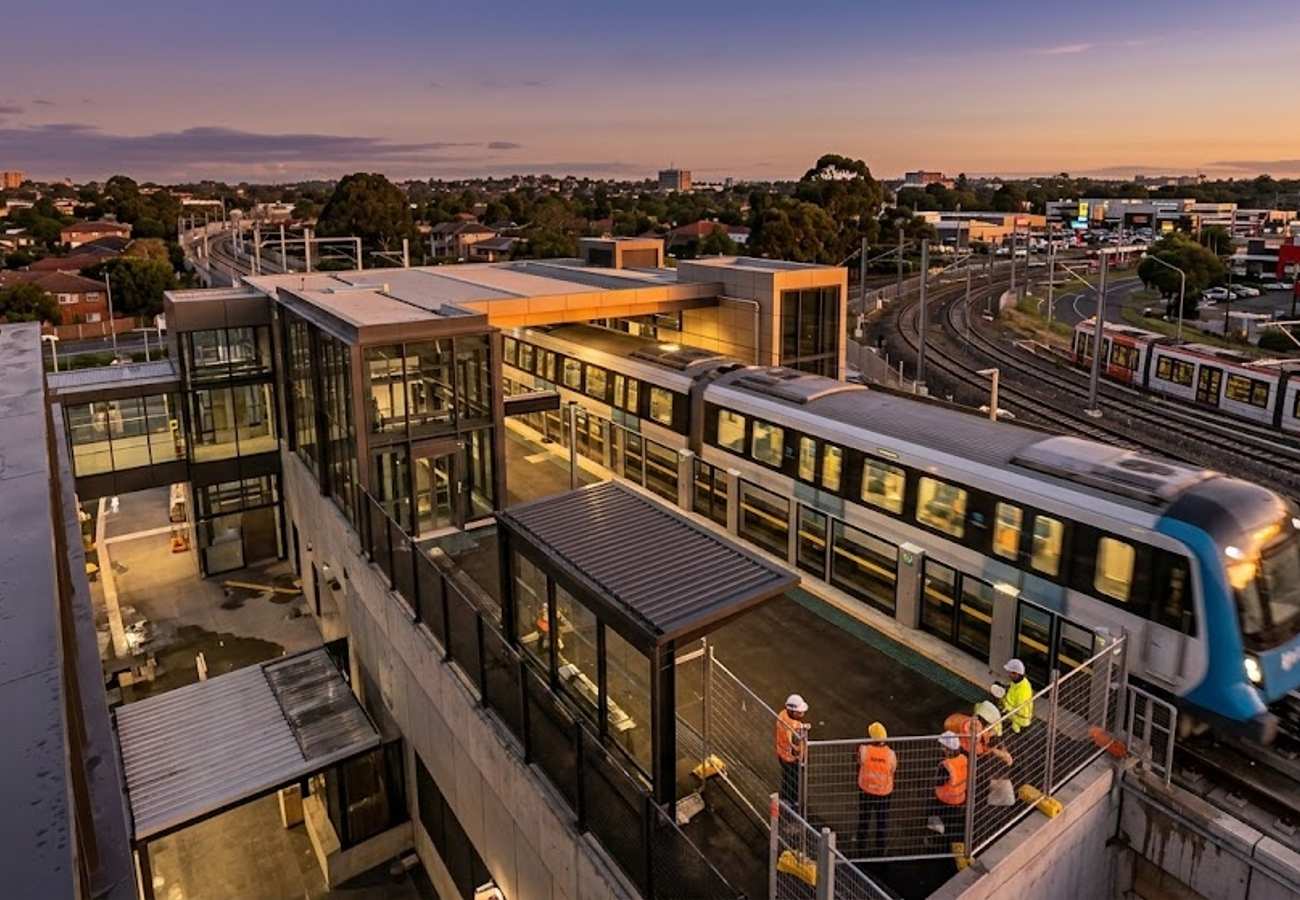
Image generated by AI
Sydney’s Southwest Metro has successfully cleared a pivotal hurdle toward public operation, completing a rigorous five-week Trial Running program that tested more than 130 distinct operational scenarios. This milestone signals a transition toward final operational readiness, ensuring that automated trains, station infrastructure, and safety protocols function seamlessly before the first passengers board.
The project is a massive engineering undertaking, converting a rail corridor that has been in active use for roughly 130 years into a state-of-the-art automated system. By replicating real-world conditions, the trial phase allowed operators and emergency agencies to validate their response times and coordination during both routine operations and high-stress disruptions.
Large-Scale Emergency Drills at Bankstown Station
A primary focus of the trial was the validation of emergency evacuation protocols. In one high-stakes simulation, officials orchestrated a mock fire on a moving metro train positioned near Bankstown Station.
To ensure the exercise mirrored a genuine crisis, approximately 300 volunteers were utilized to simulate passenger loads. The train was brought to a controlled stop, and personnel executed a full-scale evacuation. This drill allowed emergency services and transport staff to stress-test communication channels, passenger movement logistics, and overall coordination between different agencies.
Identifying operational weaknesses through these simulations is a mandatory component of the commissioning process, allowing the project team to implement necessary safety improvements before the general public enters the network.
Automated System Refinements and Driverless Trials
While the Trial Running phase is complete, the Southwest Metro is not yet ready for passengers. Engineers are continuing to refine specific mechanical and safety systems to ensure total reliability.
A key area of ongoing focus is the installation and calibration of mechanical gap fillers. These devices are essential for minimizing the space between the platform edge and the train doors, ensuring accessibility and safety for all passengers. Additionally, corridor protection arrangements are being fine-tuned as the project shifts toward full operational status.
The next phase of testing involves extended periods of driverless operation. These trials will analyze:
- Network performance under varying operating patterns.
- Journey time consistency across different scenarios.
- The overall reliability of the automated signaling and control systems.
Parallel to these physical tests, operational documentation is being finalized for an independent regulatory review. This accreditation is the final legal hurdle that must be cleared before the government can officially authorize passenger services.
Infrastructure Progress Across 10 Upgraded Stations
The physical transformation of the corridor is nearing completion. Construction crews are currently finalizing work at 10 upgraded stations located between Marrickville and Bankstown.
Current activity is focused on the "finishing" stage, which includes:
- Platform asphalting and surface remediation.
- Installation of safety fencing and passenger signage.
- Final aesthetic and functional work within station concourses and plazas.
These construction milestones are being synchronized with the operational testing schedule to ensure that the physical environment is ready the moment the trains receive regulatory approval.
Analysis of Testing Data and Progress Metrics
The scale of the commissioning process is reflected in the thousands of hours spent on the tracks. Since the first metro train entered the converted corridor in April 2025, the project has maintained a strict testing regimen.
| Testing Metric | Progress to Date | Total Requirement |
|---|---|---|
| Testing Hours | 5,800+ hours | 9,000 hours |
| Distance Traveled | 24,235 kilometers | 30,000 kilometers |
The data indicates that the project has completed roughly 64% of its required testing hours and over 80% of its required distance milestones.
M1 Line Disruptions and Passenger Impact
As the network enters its final preparation stages, commuters should expect intermittent disruptions. Additional planned closures of the M1 line are scheduled for the coming weeks to facilitate final system checks.
During these closures, transport authorities will deploy replacement bus services between Tallawong and Chatswood. Passengers are advised to transfer to Sydney Trains services at Chatswood for onward travel toward the city center. These temporary measures are necessary to ensure the automated system is fully vetted before it carries the public.
Why This Matters: The Impact on Sydney Commuters
For the daily traveler, the transition from a traditional rail line to an automated metro represents more than just new trains; it is a fundamental shift in urban mobility. The removal of human drivers in favor of automated systems typically allows for higher frequency and more consistent headways, meaning passengers spend less time waiting on platforms.
From a logistical standpoint, the conversion of a 130-year-old corridor is a high-risk operation. The focus on "gap fillers" and "corridor protection" highlights the difficulty of fitting modern, precision-engineered automated trains into legacy infrastructure. For the user, this means a safer, more accessible experience, particularly for those with mobility aids who previously struggled with inconsistent platform gaps on older lines.
The rigorous testing of 130 scenarios suggests a "safety-first" approach that aims to prevent the teething issues often seen in new transit launches. By simulating fires and evacuations with 300 volunteers, the operators are ensuring that when the system eventually fails—as all complex systems occasionally do—the response is instinctive and efficient.
The Southwest Metro is now in the home stretch of a decade-defining infrastructure upgrade for Sydney's south-west.
Related Travel Guides
This article is for informational purposes. Flight routes, passenger regulations, visa rules, and transit advisories are subject to change by airlines and aviation authorities. Readers are advised to verify schedules and travel documentation with relevant carriers and border agencies before departure.
Related Stories

Australian Hotel Rates Surge as Dynamic Pricing Algorithms Track User Behavior in 2026

European Mass Protests Disrupt Travel Across France, Italy, Belgium, and Turkey in 2026
