
Italy Spain Portugal and Greece Lead European Culinary Tourism Boom as Gastronomy Overtakes Sightseeing in 2026
New data reveals culinary tourism has officially surpassed traditional sightseeing as the primary driver for international visitors traveling to Europe, led by Italy, Spain, and France.

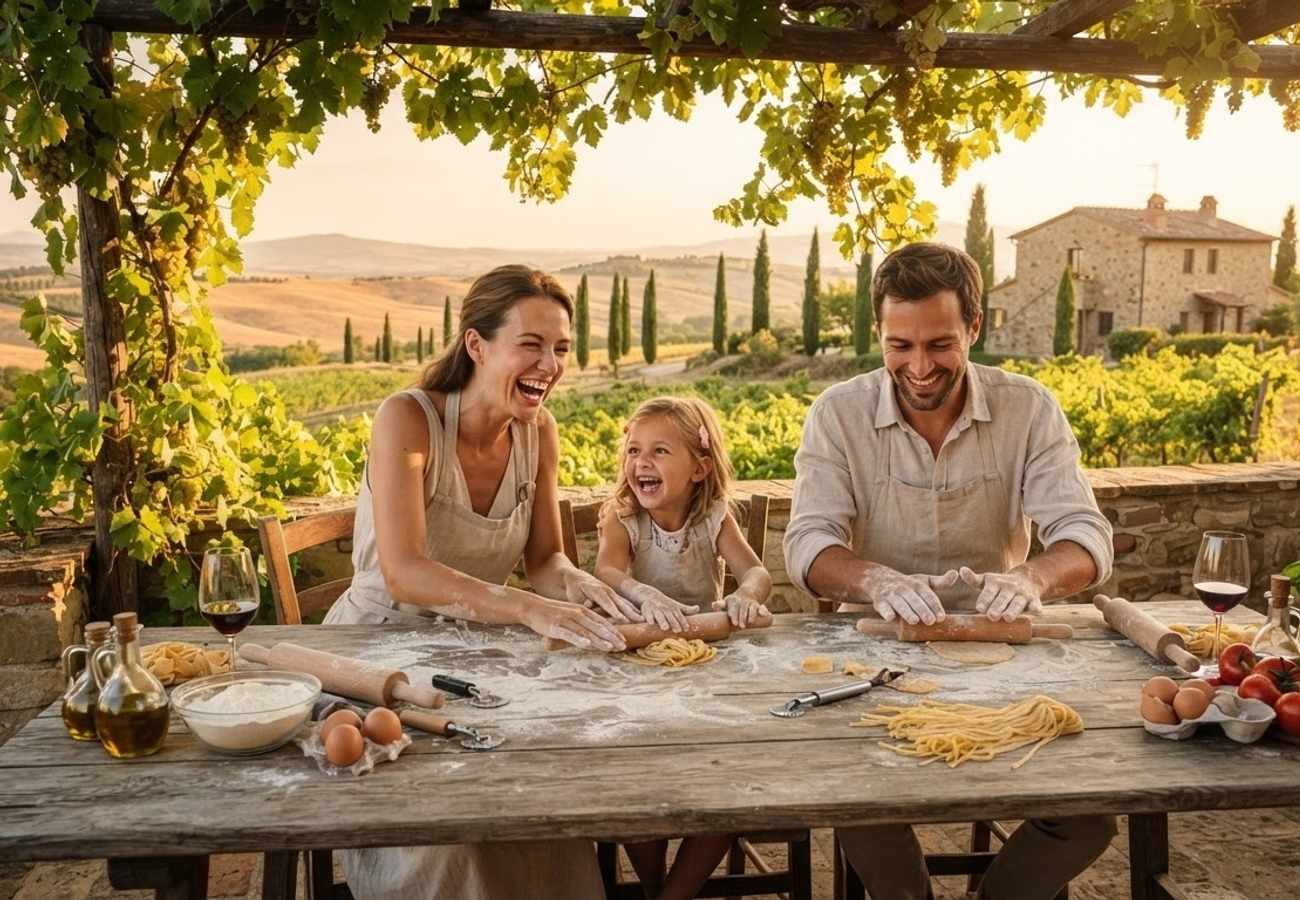
Image generated by AI
[City, July 9, 2026] — International travel patterns across Europe have undergone a fundamental shift, with gastronomy now serving as the primary catalyst for tourism over traditional landmark sightseeing. Recent data from the Mastercard Economics Institute indicates that millions of summer visitors are prioritizing regional flavors, vineyard tours, and authentic food traditions over the continent's historic monuments and museums.
The shift represents a transition from "passive" sightseeing—where visitors photograph famous architecture—to "immersive" experiencing, where the meal itself is the destination. This trend is particularly pronounced in Southern Europe, where the integration of agriculture and tourism is creating new economic opportunities for rural communities.
Mediterranean Nations Drive Gastronomy Surge
The appetite for authentic culinary experiences is most evident in France, Italy, and Spain, which continue to function as the epicenters of European food tourism. In France, the trend has expanded beyond the borders of Paris. Travelers are increasingly extending their itineraries into the wine-rich regions of Burgundy, Bordeaux, and Champagne, as well as the gastronomic hub of Lyon.
Italy is seeing a similar pattern of decentralized tourism. While Rome and Florence remain essential stops, there is a marked increase in visitors traveling to Bologna, Naples, and Tuscany specifically to engage with olive oil farms, pasta-making workshops, and family-operated trattorias.
Spain remains a powerhouse in this sector, with international interest peaking in San Sebastián, Barcelona, Madrid, and Seville. The region of La Rioja has seen a surge in visitors specifically seeking wine tourism and the traditional tapas culture that defines the Spanish social experience.
Expansion of Food Tourism into Portugal and Greece
The culinary boom is not limited to the "big three" powers. Portugal is successfully attracting a growing demographic of food-motivated travelers to Lisbon and Porto. The Douro Valley has become a critical node for those seeking high-end wine estates and riverside dining that blends local seafood traditions with cultural exploration.
In Greece, the focus has shifted toward the islands and rural mainland. Santorini, Crete, and Naxos are reporting a rise in visitors who prioritize olive oil tastings and vineyard tours over standard beach holidays. These Mediterranean destinations are leveraging their traditional diets and farm-to-table offerings to attract a more sustainable, slow-travel demographic.
Across rural France and northern Italy, the rise of agro-tourism allows visitors to participate in seasonal harvests. This direct engagement with food production is not only satisfying traveler demand for authenticity but is also providing a critical financial boost to small-scale artisan producers.
Logistics and Infrastructure Supporting Culinary Journeys
The accessibility of Europe's food regions is bolstered by a robust transport network that connects major international gateways to rural heartlands. Most culinary journeys begin at primary hubs, including:
- Paris Charles de Gaulle Airport (CDG)
- Rome Fiumicino Airport (FCO)
- Barcelona-El Prat Airport (BCN)
- Lisbon Humberto Delgado Airport (LIS)
- Athens International Airport (ATH)
From these airports, travelers are utilizing high-speed rail networks to reach gastronomic zones. The TGV in France, Frecciarossa in Italy, AVE in Spain, and Alfa Pendular in Portugal have made it possible to transition from a metropolitan center to a vineyard or farmhouse in a matter of hours.
The hospitality sector has adapted by diversifying accommodation. There is a growing preference for boutique vineyard hotels and converted countryside farmhouses over standardized city hotels, allowing the lodging experience to remain consistent with the culinary theme of the trip.
Divergent Spending Habits by Nationality
Data from the Mastercard Economics Institute reveals that "culinary tourism" is not a monolith; different nationalities interact with the European food scene in distinct ways.
British travelers exhibit a strong preference for the social aspects of gastronomy, spending 32% more on bars and nightlife than the average international visitor. For this group, the culinary experience is often tied to evening entertainment and social drinking.
Conversely, visitors from the United States and various Asian markets are gravitating toward "experiential" gastronomy. This includes a high demand for chef-led workshops, immersive cooking classes, and guided tours of local markets. This preference for education-based food tourism is prompting operators to create more structured, pedagogical culinary packages.
Sector Data and Market Trends
The following data summarizes the current state of the European culinary tourism market as of mid-2026.
| Metric | Observation / Data Point |
|---|---|
| Primary Driver | Culinary experiences have overtaken traditional sightseeing |
| UK Spending Trend | 32% higher expenditure on nightlife/bars vs. average |
| US & Asia Preference | High demand for cooking workshops and wine tourism |
| Key Growth Areas | Agro-tourism and regional harvest experiences |
| Leading Hubs | France, Italy, Spain, Portugal, Greece |
Timeline of the Gastronomic Shift
- June 2026: The Mastercard Economics Institute publishes comprehensive travel spending data confirming the shift in visitor motivation.
- Summer 2026: Inbound visitor data confirms that food experiences are now the leading reason for visiting Europe over monuments.
- Peak Season 2026: Record attendance at regional food festivals and vineyard tours across the Mediterranean.
- Ongoing: Integration of hotel stays with local producer partnerships to create "all-in-one" gastronomy packages.
Why This Matters (Information Gain)
The transition from sightseeing to gastronomy marks a pivotal evolution in the "experience economy." For decades, European tourism was built on the "bucket list" model—visiting the Eiffel Tower or the Colosseum to check a box. The 2026 data suggests a move toward "sensory tourism," where the value is derived from taste, smell, and human interaction rather than visual observation.
This shift has profound implications for regional development. By moving the focus from city centers to vineyards and farms, tourism revenue is being redistributed into rural economies that were previously overlooked. Furthermore, the preference of US and Asian travelers for "workshops" over "sightseeing" indicates a desire for skill acquisition during travel, turning vacations into informal educational retreats.
As airlines and rail providers continue to optimize routes to regional hubs, the "culinary map" of Europe is expanding. This will likely lead to the rise of "secondary cities" as primary destinations, reducing the over-tourism strain on capitals like Paris and Rome while elevating the profile of regions like La Rioja or the Douro Valley.
The era of the monument is yielding to the era of the menu.
Related Travel Guides
Disclaimer
This article is for informational and educational purposes only. It does not constitute legal, financial, or professional advice. While we strive to provide accurate and up-to-date information, travel policies, regulations, and conditions change rapidly. Always verify information with official sources before making travel decisions. Nomad Lawyer makes no representations about the accuracy, reliability, completeness, or suitability of the information provided. Readers should consult qualified professionals for advice specific to their circumstances. The views expressed in this article are those of the author and do not necessarily reflect the views of Nomad Lawyer.
Kunal K Choudhary
Co-Founder & Contributor
A passionate traveller and tech enthusiast. Kunal contributes to the vision and growth of Nomad Lawyer, bringing fresh perspectives and driving the community forward.
Learn more about our team →