
Sydney and Major Australian Cities Deploy AI Guest Profile Data for Hyper-Personalized Hospitality in 2026
Australian hospitality hubs, led by Sydney and Melbourne, are integrating AI-driven guest profiling to automate room preferences and curate hyper-personalized city experiences for 2026.

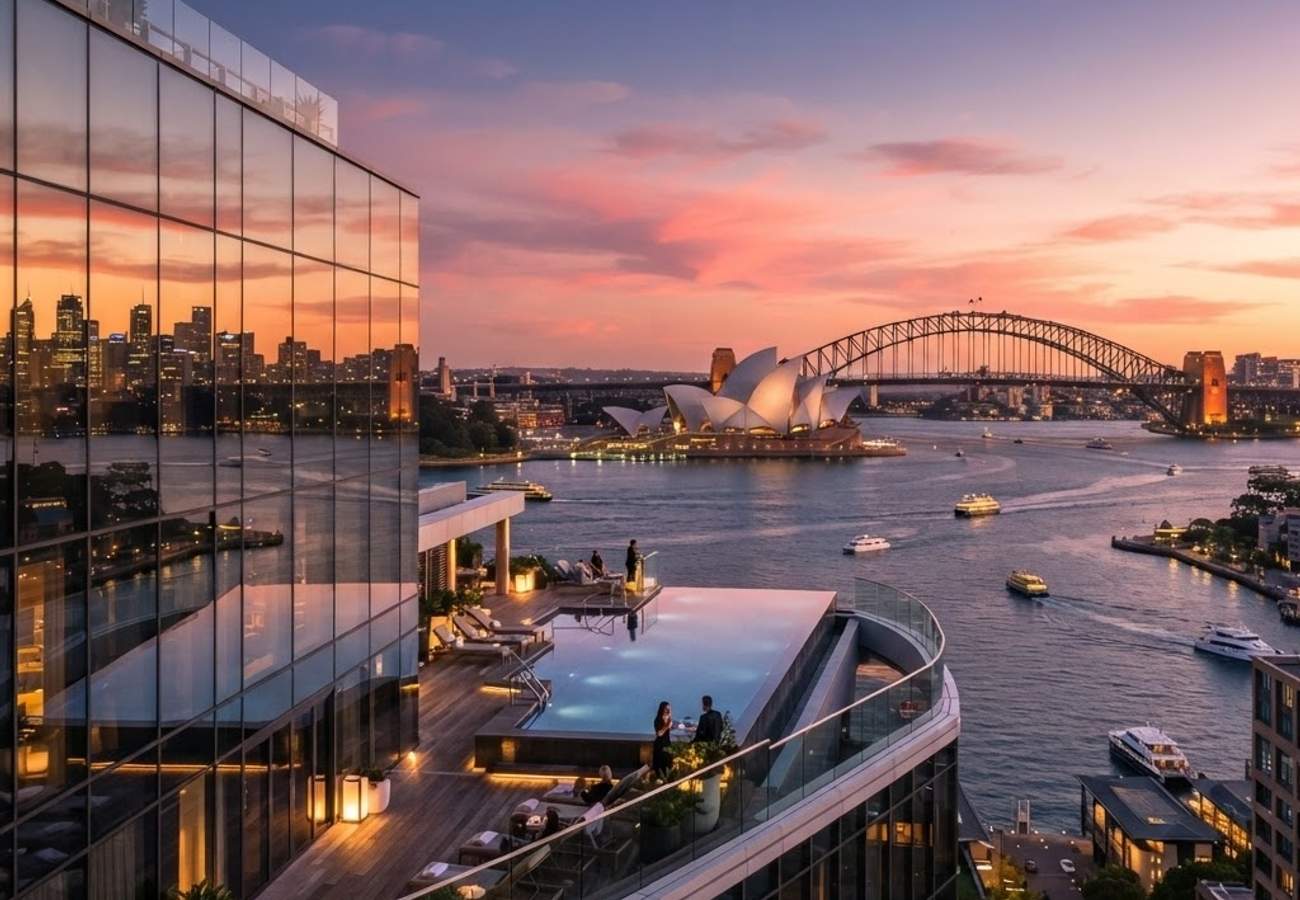
Image generated by AI
Australian hospitality hubs are transitioning from generic service models to predictive hospitality, using AI to analyze traveler behavior and automate room settings before arrival.
The Australian hotel industry has entered a phase of hyper-personalization in 2026, with major cities leveraging Artificial Intelligence (AI) and Customer Relationship Management (CRM) platforms to redesign the guest journey. By synthesizing data from loyalty programs, booking patterns, and previous service requests, properties in Sydney and Melbourne are now capable of predicting guest needs, adjusting room environments, and curating local itineraries without manual intervention.
Regional AI Adoption and Implementation Matrix
The deployment of AI varies by city, reflecting the specific tourism drivers of each region—from corporate travel in Canberra to adventure tourism in Cairns.
| Australian City | AI Adoption Level | Primary Data Application | Personalization Examples | Key Benefiting Sectors |
|---|---|---|---|---|
| Sydney, NSW | Very High | CRM platforms & guest analytics | Room temp, pillow types, beverage preferences | Luxury, Corporate, Waterfront |
| Melbourne, VIC | Very High | AI recommendation engines | Gastronomy, art exhibitions, sporting events | Boutique, Lifestyle, Cultural |
| Brisbane, QLD | High | Digital guest platforms | Family packages, automated communication | Business, Event Tourism |
| Gold Coast, QLD | High | Data-driven leisure systems | Spa recommendations, customized resort packs | Resorts, Theme Park Hotels |
| Perth, WA | Growing Fast | CRM & visitor analytics | Nature experiences, premium room upgrades | Mining Corporate, Luxury |
| Adelaide, SA | Growing | Gastronomy-linked AI tools | Winery tours, festival recommendations | Wine Tourism, Boutique |
| Canberra, ACT | Moderate-High | Repeat visitor data analytics | Fast check-in, work-friendly room setups | Government, Conference |
| Hobart, TAS | Growing | Guest insight profiling | Custom wilderness & heritage itineraries | Eco-lodges, Heritage stays |
| Cairns, QLD | Growing | Visitor activity matching | Reef diving & rainforest activity matching | Adventure, Resort Tourism |
The Shift to Predictive Hospitality
Sydney has established itself as the primary testing ground for these technologies due to its status as a global gateway. Luxury providers are moving beyond reactive service—where a guest asks for an amenity—to predictive hospitality. In this model, the system identifies that a returning visitor prefers a quieter room on a higher floor with specific bedding and ensures these are set before the guest checks in.
In Melbourne, the focus has shifted toward "lifestyle gateways." AI systems analyze a guest's interest in coffee culture or the arts to generate real-time recommendations for galleries or hidden cafes, effectively turning the hotel into a personalized concierge for the city's cultural landscape.
Technical Integration of Guest Profile Data
Hotels are no longer categorizing travelers into broad personas (e.g., "business" or "leisure"). Instead, AI creates granular individual profiles by aggregating data from:
- Booking Platforms: Analyzing lead times and room selection patterns.
- Loyalty Programs: Tracking long-term preferences and reward triggers.
- In-Property Spending: Monitoring dining and spa habits to suggest relevant upgrades.
- Digital Communication: Using sentiment analysis from emails and feedback.
AI-Driven Service Enhancements
| AI-Based Service | Impact on Guest Experience |
|---|---|
| Room Preparation | Automated adjustment of temperature and amenities |
| Smart Recommendations | Data-backed suggestions for dining and attractions |
| Custom Packages | Offers tailored to the specific purpose of travel |
| AI Concierge | Instant, 24/7 assistance via digital interfaces |
| Targeted Upgrades | Premium service offers based on previous spending |
Infrastructure and Operational Impact
The integration of AI is not merely a guest-facing luxury; it is fundamentally altering hotel operations. By analyzing demand patterns, Sydney's luxury hotels are optimizing staffing levels and reducing administrative friction. This allows human staff to move away from repetitive data entry and focus on high-touch interpersonal interactions.
For the corporate sector, particularly in Canberra and Sydney, this results in "frictionless transit," where repeat business travelers experience accelerated check-ins and pre-configured workspaces, reducing the time spent on logistics.
Traveler Logistics Guide: Navigating AI-Enhanced Stays
From a ground-level perspective, the best way to leverage these new systems is to maintain a consistent digital footprint across your booking platforms. To ensure the AI accurately predicts your needs, follow these logistics tips:
- Centralize Your Profile: Use a single loyalty account or email across different properties within the same chain. Fragmented data leads to inconsistent personalization.
- Update Preferences Pre-Arrival: Most AI-driven hotels now send a digital "pre-stay" survey. Filling this out triggers the AI to set your room temperature and amenities before you land.
- Digital Check-in Protocols: In cities like Sydney and Melbourne, use the hotel's app for mobile check-in. This often bypasses the front desk entirely and syncs your digital key to your device, reflecting the "frictionless" goal of 2026 hospitality.
- Customizing Recommendations: If the AI suggests activities that don't align with your interests, provide immediate feedback via the app. These systems learn in real-time, and correcting a recommendation early in your stay will refine the suggestions for the remainder of your trip.
The future of Australian travel is no longer about the room itself, but the data-driven experience surrounding it.
Related Travel Guides
Disclaimer
This article is for informational and educational purposes only. It does not constitute legal, financial, or professional advice. While we strive to provide accurate and up-to-date information, travel policies, regulations, and conditions change rapidly. Always verify information with official sources before making travel decisions. Nomad Lawyer makes no representations about the accuracy, reliability, completeness, or suitability of the information provided. Readers should consult qualified professionals for advice specific to their circumstances. The views expressed in this article are those of the author and do not necessarily reflect the views of Nomad Lawyer.
Raushan Kumar
Founder & Lead Developer
Full-stack developer with 11+ years of experience and a passionate traveller. Raushan built Nomad Lawyer from the ground up with a vision to create the best travel and law experience on the web.
Learn more about our team →