
Mount Ibu Eruption Triggers Urgent Flight Alerts and Travel Safety Warnings in Indonesia North Maluku 2026
Recent eruptions at Mount Ibu in North Maluku have triggered critical airspace restrictions and safety protocols for travelers in Indonesia.

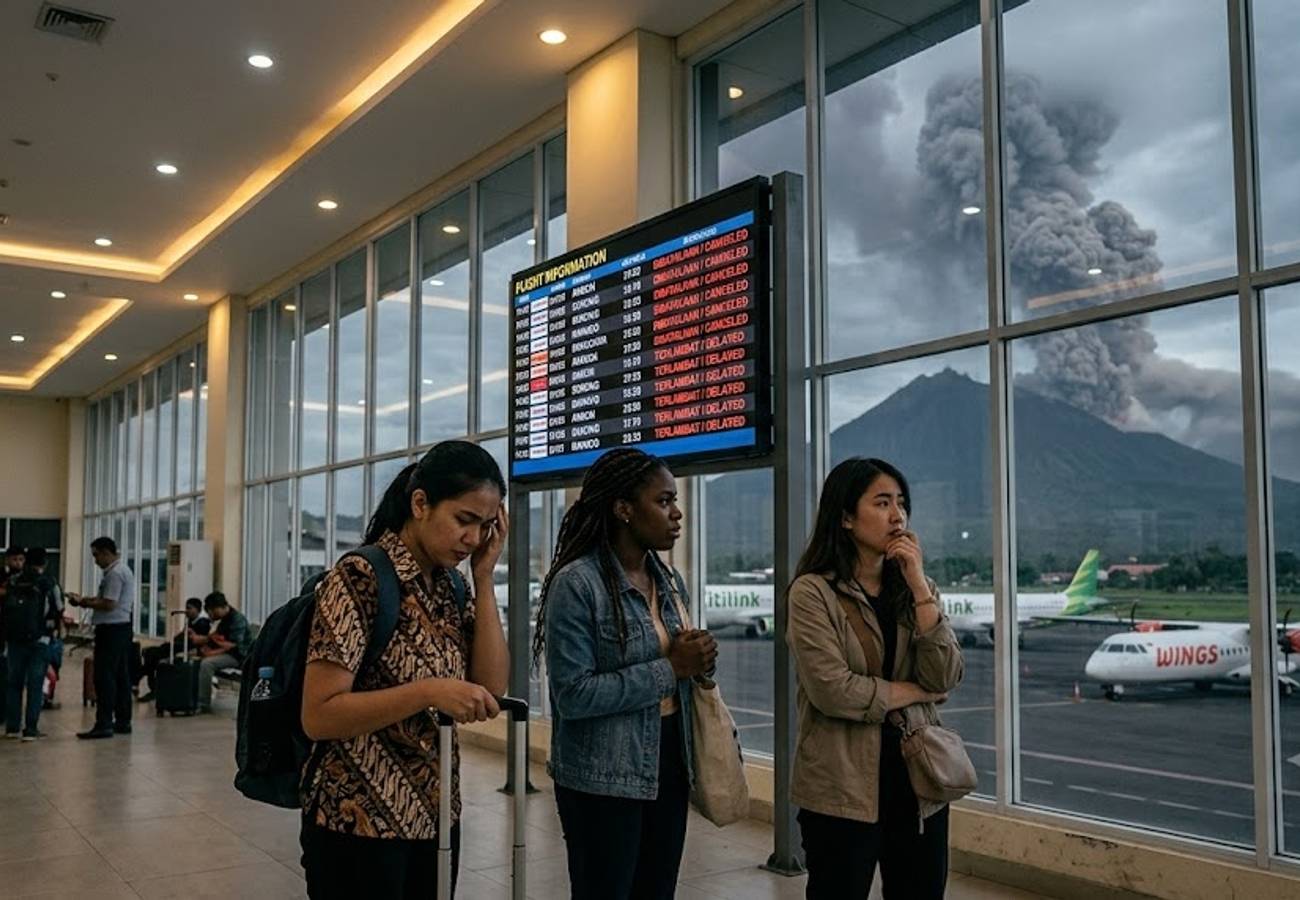
Image generated by AI
Volcanic activity at Mount Ibu has forced an immediate overhaul of regional travel corridors, implementing strict exclusion zones and aviation restrictions across North Maluku.
The Local Trend Revealed
The geological instability of Mount Ibu, located within the West Halmahera regency of Indonesia’s North Maluku province, has shifted from a dormant concern to an active travel disruptor in 2026. Positioned along the Pacific Ring of Fire, the volcano recently expelled a massive column of debris into the atmosphere, triggering a cascade of safety alerts.
This event has moved beyond a simple natural phenomenon, sparking a trend of "reactive itinerary management" for travelers in the archipelago. Aviation authorities have enforced strict airspace restrictions because fine volcanic ash presents severe mechanical risks to aircraft engines and drastically reduces cockpit visibility. For those navigating the region, the trend is a shift toward hyper-vigilance, with a reliance on real-time flight status boards and the rapid adoption of alternative ground transport as regional hubs face temporary closures.
Cultural & Environmental Value (Information Gain)
The management of the Mount Ibu crisis highlights the intersection of indigenous resilience and modern science. Local disaster management agencies, in coordination with regional conservation bodies, are using this period to reinforce the importance of the exclusion zone. This zone does more than protect humans; it prevents the degradation of the fragile volcanic ecosystem by prohibiting trekking and unregulated tourism during high-activity phases.
By adhering to these restrictions, visitors support the local community's effort to maintain a sustainable relationship with their volatile environment. The shift toward GIS mapping and satellite tracking—supported by Indonesian geological observation centers—ensures that emergency responses are precise, reducing the economic paralysis that historically followed eruptions. This modernization protects the long-term viability of North Maluku’s tourism economy by proving that the region can manage high-risk geological events without total systemic collapse.
Visitor Insider Tips
For those currently in or planning a trip to the North Maluku province, standard travel guides are insufficient. Follow these local insider protocols:
- The "Ash Kit" Essential: Do not rely on standard surgical masks. Local authorities recommend high-filtration masks, protective eyewear (sealed goggles), and shields to prevent the abrasive volcanic glass in the ash from causing respiratory distress or corneal scratches.
- Off-Peak Window: Avoid the region during peak subterranean pressure cycles. Monitor the official bulletins from the Indonesian Center for Volcanology and Geological Hazard Mitigation (PVMBG) for real-time alert levels.
- Local Dining Safety: In ash-fall zones, avoid eating uncovered street food. Fine particulate matter can contaminate open-air markets; opt for sealed or indoor dining establishments.
- Hidden Logistics: If regional flights are canceled, look for local "perahu" (traditional boats) for inter-island movement, but only after confirming with the local maritime authority that ash-fall hasn't compromised visibility for navigation.
Tourism Outlook
The long-term outlook for North Maluku depends on the successful integration of early warning systems. The transition from reactive disaster response to a proactive, technology-driven framework—utilizing color-coded aviation warnings and automated notification networks—is likely to stabilize the region's reputation.
While immediate disruptions include itinerary alterations and extended delays, the investment in advanced radar and satellite tracking is designed to minimize future economic shocks. As these systems mature, the region may pivot toward "volcano tourism" managed through a strict, science-led safety lens, ensuring that the awe of the Pacific Ring of Fire does not come at the cost of passenger safety.
Stay vigilant and prioritize official geological advisories over third-party travel forums when navigating active volcanic zones.
Related Travel Guides
Disclaimer
This article is for informational and educational purposes only. It does not constitute legal, financial, or professional advice. While we strive to provide accurate and up-to-date information, travel policies, regulations, and conditions change rapidly. Always verify information with official sources before making travel decisions. Nomad Lawyer makes no representations about the accuracy, reliability, completeness, or suitability of the information provided. Readers should consult qualified professionals for advice specific to their circumstances. The views expressed in this article are those of the author and do not necessarily reflect the views of Nomad Lawyer.
Raushan Kumar
Founder & Lead Developer
Full-stack developer with 11+ years of experience and a passionate traveller. Raushan built Nomad Lawyer from the ground up with a vision to create the best travel and law experience on the web.
Learn more about our team →