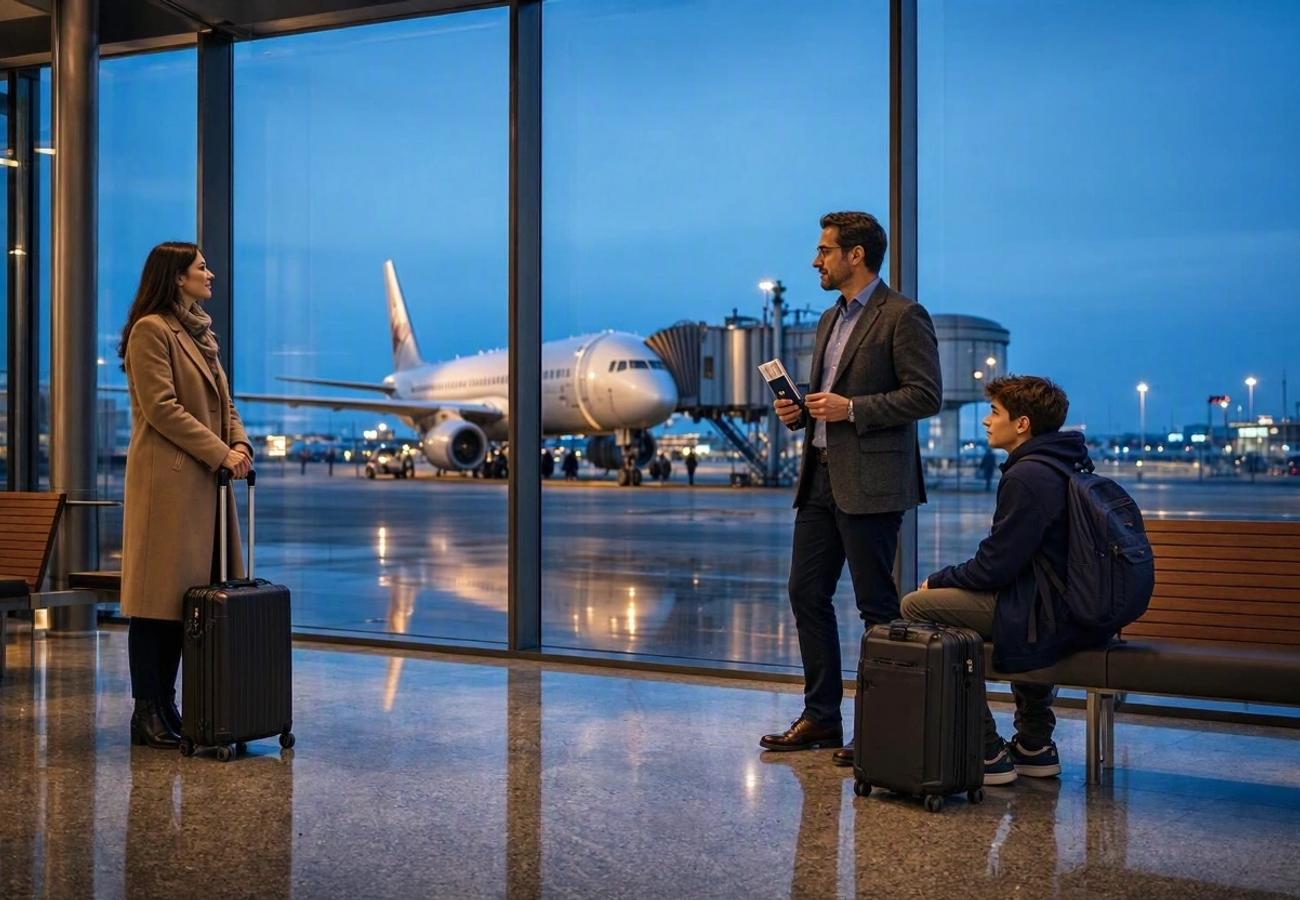
Star Alliance to Launch Dedicated Incheon Terminal 1 Lounge

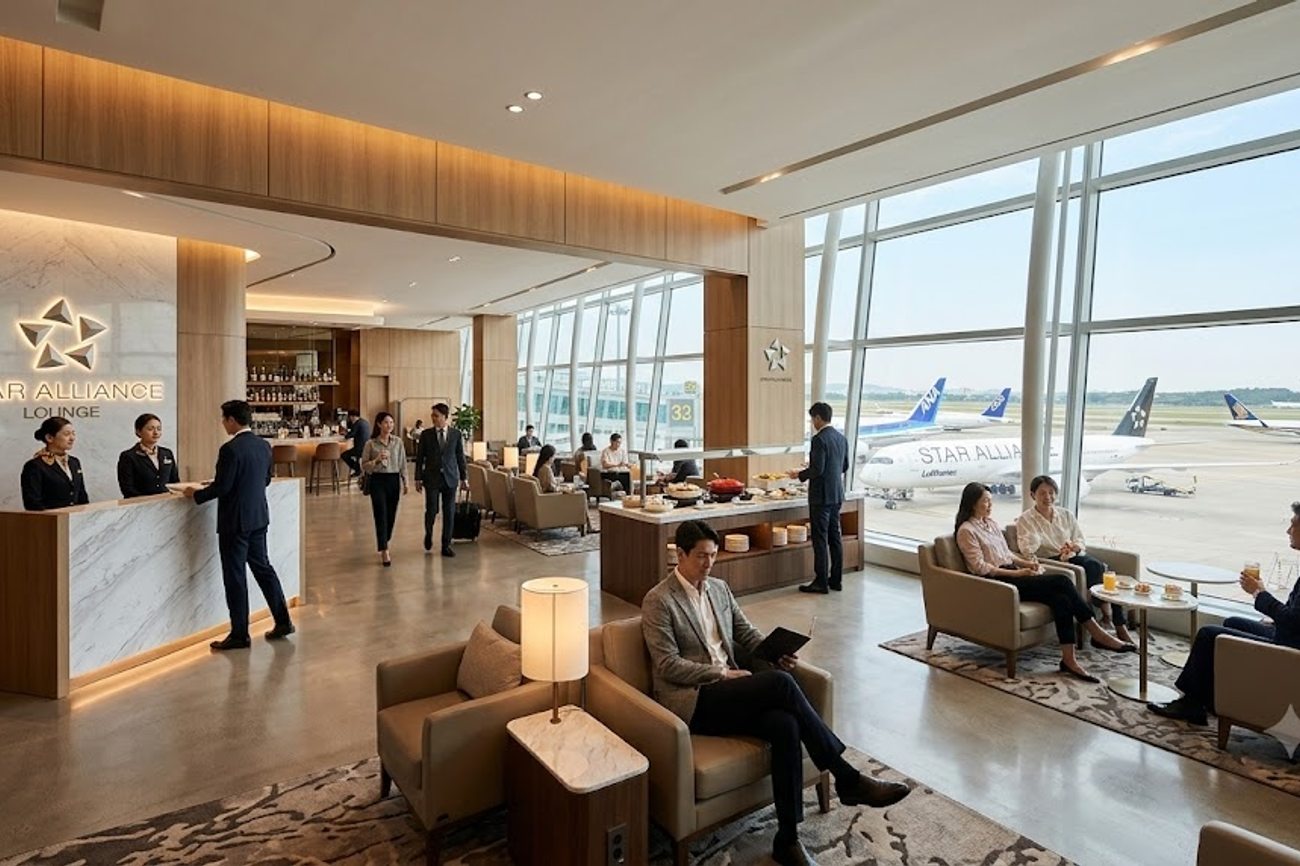
Image generated by AI
The Disruption Details
A significant shift in South Korea's aviation landscape is occurring as Asiana Airlines integrates with Korean Air. This merger necessitates Asiana's departure from the Star Alliance on 16 December 2026, which would have left a critical void in premium lounge access for the alliance's remaining member carriers at Incheon International Airport (ICN).
To mitigate this, Star Alliance and Incheon International Airport Corporation have signed a Memorandum of Understanding to convert the existing west-wing Business Lounge in Terminal 1 into a dedicated Star Alliance branded facility.
Flight & Airport Impact Breakdown
- Location: Incheon International Airport (ICN), Terminal 1, West Wing.
- Timeline: New lounge operations begin Q4 2026.
- Critical Date: Asiana Airlines exits Star Alliance on 16 December 2026.
- Network Scale: 14 Star Alliance member airlines currently operate at ICN, connecting to 29 global destinations.
- Traffic Volume: Incheon recorded the world’s highest international passenger traffic during the first half of 2026.
- Network Expansion: This will be the 7th dedicated Star Alliance lounge globally, joining hubs such as Paris Charles de Gaulle, Los Angeles International, and Guangzhou Baiyun.
Passenger Rights & Advisory
For the affected passenger, the transition from Asiana-operated lounges to a dedicated Star Alliance lounge means a change in branding but a preservation of access rights.
Our analysis of the transition suggests the following for travelers:
- Eligibility: If you hold Star Alliance Gold status or are traveling in a premium cabin on a member carrier, your access rights remain intact. You will simply migrate from the Asiana Business Lounge to the new Star Alliance facility.
- Booking Continuity: Passengers with flights scheduled around mid-December 2026 should verify their lounge access via their airline's app or the Star Alliance portal, as the handover coincides with Asiana's exit date.
- Connectivity: For those connecting through Seoul to any of the 29 destinations served by the alliance, the west-wing location in Terminal 1 remains the primary hub for premium services.
Industry Analyst View
Our analysis indicates that this is a strategic defensive move by Star Alliance to protect its market share in Asia's most high-traffic gateway. By securing a branded facility, the alliance decouples its premium experience from a single local carrier (Asiana), reducing vulnerability to future mergers or airline restructuring. This mirrors the alliance's strategy in other global hubs, ensuring that the "premium product" remains consistent regardless of which member airline is operating the specific leg of the journey.
Related Travel Guides
This article is for informational purposes. Flight routes, passenger regulations, visa rules, and transit advisories are subject to change by airlines and aviation authorities. Readers are advised to verify schedules and travel documentation with relevant carriers and border agencies before departure.
Related Stories

European Mass Protests Disrupt Travel Across France, Italy, Belgium, and Turkey in 2026
Aeroméxico and Delta Expand US Network with 42 Weekly Flights to California, Florida and Oregon in 2027