
Sri Lanka Unveils 2026 Tourism Vision to Attract More Valuable Travellers and Boost Revenue Beyond Arrivals
: Sri Lanka Tourism Sri Lanka aims to attract 3 million visitors by 2026, focused on increasing tourist spending and length of stay to re

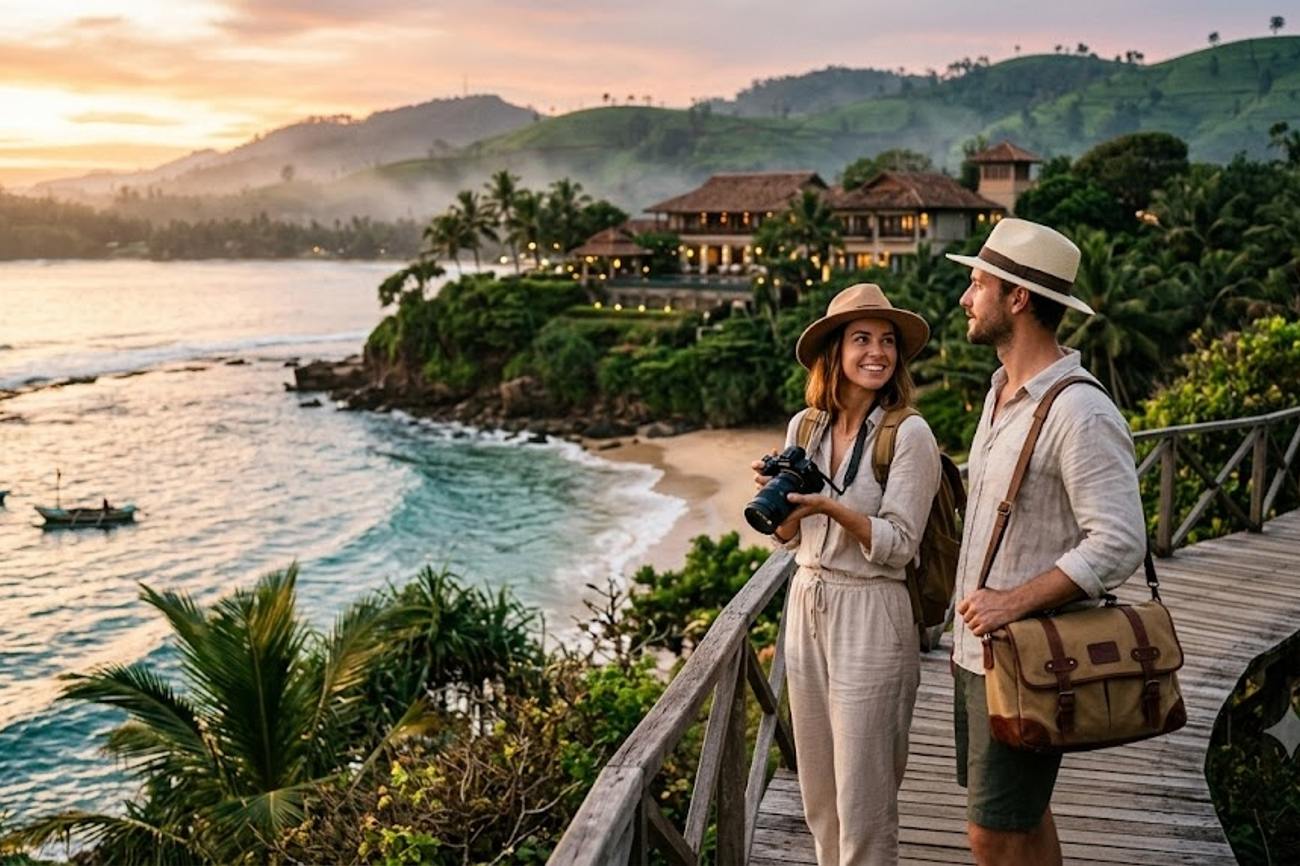
Image generated by AI
**: Sri Lanka Tourism
Sri Lanka aims to attract 3 million visitors by 2026, focused on increasing tourist spending and length of stay to reach a goal of 5 billion USD in tourism revenue. Pr**
Sri Lanka aims to attract 3 million visitors by 2026, focused on increasing tourist spending and length of stay to reach a goal of 5 billion USD in tourism revenue. Previous strategies focused on visitor numbers, and Sri Lanka will continue to develop these strategies to increase the average length of stays and spend by visitors to the country. The focus on quality and sustainable tourism will be extended to all of Sri Lanka’s tourism offerings including beaches, cultural and archaeological sites, wildlife, and health and wellness tourism. The changed focus of global tourism to sustainability and wellbeing will help strengthen Sri Lanka’s tourism industry.
Sri Lanka is entering a new phase of tourism development as the island nation targets 3 million international visitors over the next 12 months while placing greater importance on how much travellers contribute to the economy.
The country is shifting its focus beyond traditional tourist arrival numbers and aiming for stronger tourism earnings by attracting visitors who spend more during their holidays.
Sri Lanka’s tourism strategy is now centred on increasing visitor value, improving experiences and encouraging longer stays. The government has set an ambitious goal of generating more than US$5 billion in tourism revenue as it works to build a stronger and more profitable travel sector.
The new approach reflects a major change in how Sri Lanka measures tourism success. Instead of focusing only on the number of people arriving, the country wants to create a tourism model where every visitor delivers greater economic benefits.
Sri Lanka believes that attracting large numbers of low-spending tourists may increase arrivals but may not create the level of financial growth required for the wider economy.
The island nation is therefore moving towards a quality-focused tourism strategy designed to attract travellers seeking premium experiences, cultural discoveries, wellness retreats, wildlife adventures and longer holidays.
Sri Lanka Changes Tourism Strategy From More Visitors To More Value
Sri Lanka’s tourism ambitions are entering a new chapter as the country focuses on building a higher-value visitor economy.
The destination has traditionally attracted travellers with its combination of tropical beaches, ancient heritage, wildlife, mountains and cultural experiences. However, the country now wants to maximise the economic contribution generated by each visitor.
The government’s strategy is based on attracting travellers who are willing to spend more on accommodation, dining, transportation, activities and unique experiences.
Sri Lanka's 2026 tourism vision aims to attract more valuable travellers by enhancing the overall tourist experience, with a focus on sustainable tourism practices and unique cultural experiences. The Sri Lanka Tourism Development Authority has outlined plans to develop new tourist infrastructure and promote the country's rich heritage. This initiative is expected to boost revenue beyond arrivals, with a target of increasing tourist spending per person.
This approach follows a growing global tourism trend where destinations are moving away from simply increasing visitor numbers and focusing instead on sustainable economic growth.
A visitor who stays longer and explores more parts of a destination can create greater benefits for local communities compared with a short-term traveller with limited spending.
Sri Lanka’s diverse tourism landscape provides strong opportunities for this transformation. The country offers luxury resorts, historic cities, national parks, adventure activities, wellness experiences and authentic local encounters that appeal to a wide range of international travellers.
By promoting these experiences, Sri Lanka aims to increase tourism income while strengthening the role of tourism as a key contributor to economic development.
Sri Lanka Targets US$5 Billion Tourism Revenue Through Higher Spending
Sri Lanka has set a major financial target for its tourism industry, aiming to generate more than US$5 billion in earnings while welcoming 3 million international visitors.
The country recorded approximately US$3.2 billion in tourism revenue from around 2.36 million visitors in 2025.
This means each international visitor contributed an average of about US$1,360 to the tourism economy.
To achieve the US$5 billion revenue goal with 3 million tourists, Sri Lanka needs to increase average visitor spending to around US$1,667 per traveller.
Although this would represent significant progress, Sri Lanka still has room to grow compared with some premium island destinations where visitor spending levels are considerably higher.
The challenge for Sri Lanka is not only bringing more travellers to the island but also encouraging them to spend more through improved tourism products and memorable experiences.
To support the growth in tourism, Sri Lanka's airports are undergoing upgrades to improve passenger logistics and efficiency. The Civil Aviation Authority of Sri Lanka is working to enhance airport facilities, including the Bandaranaike International Airport, to provide a smoother travel experience for visitors. This includes the introduction of new airport lounges and improved baggage handling systems, which can be found on the SriLankan Airlines website.
This requires investment in hospitality standards, destination development, transportation networks and activities that encourage visitors to stay longer.
The country’s tourism future depends on creating experiences that deliver greater value while maintaining its unique identity.
Quality Tourism Becomes Sri Lanka’s New Global Focus
Sri Lanka is placing quality at the centre of its tourism growth plans as it seeks to attract more valuable visitors from international markets.
The country wants to avoid a tourism model based only on high arrival numbers. Instead, it is aiming for a balanced approach where visitor spending supports businesses, communities and economic growth.
Higher-value tourism can benefit a wide range of sectors, including hotels, restaurants, transport operators, local producers, guides and experience providers.
When travellers spend more across different parts of the destination, the economic impact spreads further beyond major tourism centres.
Sri Lanka’s tourism offerings are well positioned for this approach. The country can provide luxury beach holidays, cultural exploration, nature-based travel and adventure experiences within one destination.
This combination allows Sri Lanka to attract travellers looking for deeper and more meaningful journeys rather than only short leisure breaks.
The focus on premium tourism also supports the country’s ambition to strengthen its position in the competitive global travel market.
Tourism Growth Supports Sri Lanka’s Economic Recovery
Tourism continues to play an important role in Sri Lanka’s economic development by creating jobs, supporting businesses and generating foreign currency income.
Tourism insights suggest that Sri Lanka's unique cultural and natural attractions will continue to be a major draw for visitors, with many travellers seeking immersive experiences such as wildlife safaris and cultural festivals. The Ministry of Tourism of Sri Lanka provides information on upcoming events and festivals, as well as travel guides and tips for visitors. For the latest information on travel requirements and regulations, visitors can check the Immigration, Emigration and Nationality Division website for the most up-to-date information.
The recovery of international travel has created new opportunities for the country, but Sri Lanka now wants to ensure future growth delivers stronger financial returns.
The shift towards higher-spending visitors is designed to create a more sustainable tourism industry that can provide long-term benefits.
The country is focusing on improving the overall visitor experience through better services, stronger infrastructure and more diverse travel products.
Modern travellers are increasingly looking for authentic experiences, local culture, wellness, adventure and personalised journeys.
Sri Lanka’s natural and cultural strengths give it the ability to meet these changing expectations.
From exploring historic locations and wildlife reserves to enjoying coastal escapes and local traditions, visitors can experience a wide range of activities during a single trip.
The country aims to convert these advantages into greater tourism revenue and stronger global recognition.
Sri Lanka’s Future Tourism Vision Looks Beyond Arrival Numbers
Sri Lanka’s target of 3 million international visitors represents an important milestone, but the country’s bigger ambition is to increase the value generated from tourism.
The island nation wants its success to be measured not only by how many travellers arrive but also by the economic contribution they create.
By focusing on higher-spending visitors, longer stays and premium experiences, Sri Lanka is working towards a more profitable and sustainable tourism future.
The country’s US$5 billion
FAQ: Sri Lanka Unveils 2026 Tourism Vision to 2026
What are the main goals of Sri Lanka's 2026 tourism vision? Enhance traveler experience and increase revenue.
How will Sri Lanka attract more valuable travelers? By promoting luxury tourism and unique experiences.
What new initiatives can travelers expect in 2026? New attractions, improved infrastructure, and sustainable tourism practices.
How will the 2026 vision impact the overall traveler experience? It will offer more diverse and high-quality experiences.
Related Travel Guides
Disclaimer
This article is for informational and educational purposes only. It does not constitute legal, financial, or professional advice. While we strive to provide accurate and up-to-date information, travel policies, regulations, and conditions change rapidly. Always verify information with official sources before making travel decisions. Nomad Lawyer makes no representations about the accuracy, reliability, completeness, or suitability of the information provided. Readers should consult qualified professionals for advice specific to their circumstances. The views expressed in this article are those of the author and do not necessarily reflect the views of Nomad Lawyer.
Preeti Gunjan
Contributor & Community Manager
A passionate traveller and community builder. Preeti helps grow the Nomad Lawyer community, fostering engagement and bringing the reader experience to life.
Learn more about our team →