
Tasmania Housing Crisis 2026: Short-Stay Rentals Drive Rental Vacancy Below 0.7% in Coastal Hubs
Tasmania faces a critical residential shortage as long-term homes convert to short-stay rentals, pushing vacancy rates in regions like Glamorgan-Spring Bay below 0.7%.

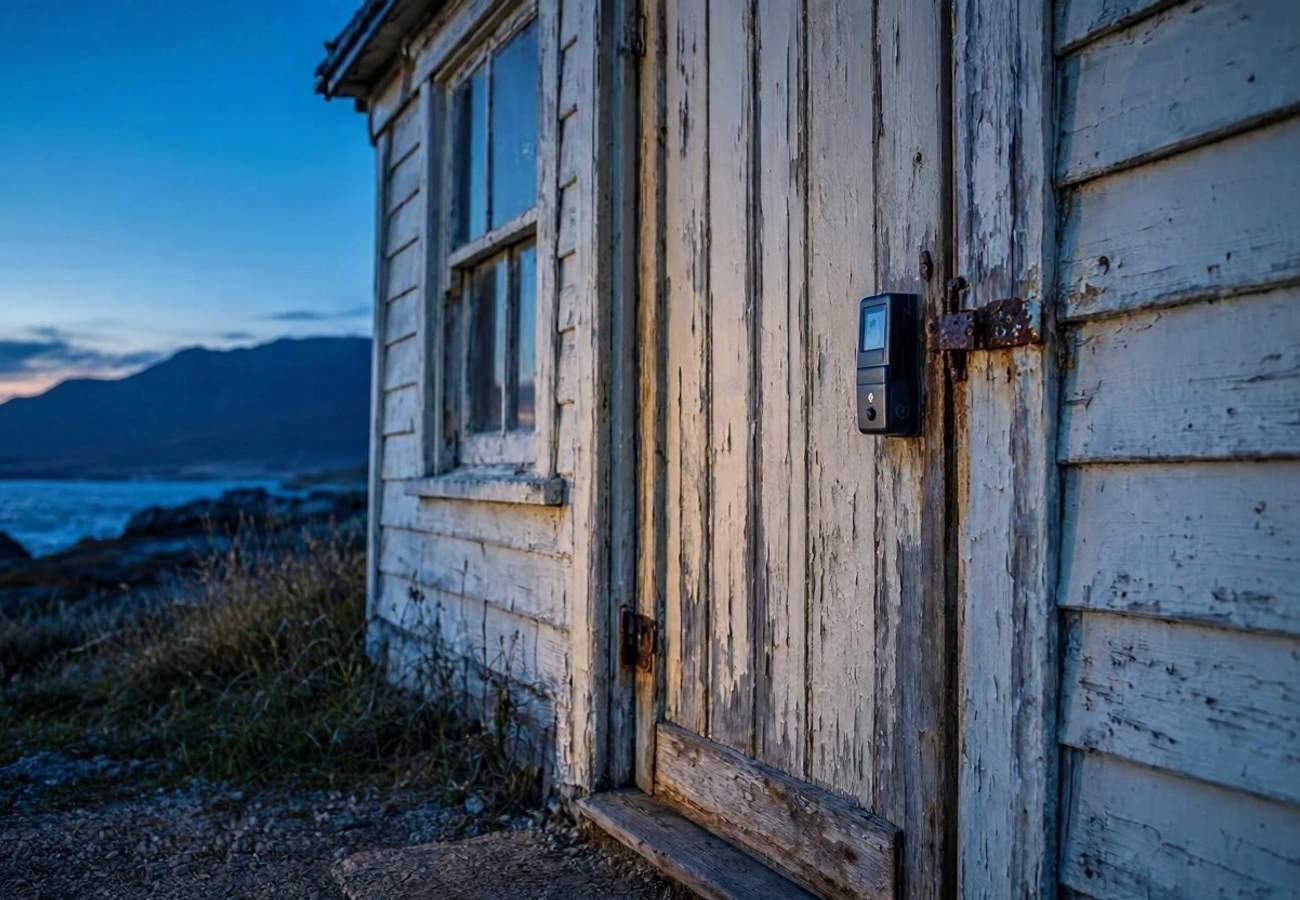
Image generated by AI
A local teacher in the Freycinet region arrives at their rental property only to find a notice of non-renewal, as the landlord pivots to a high-yield Airbnb listing for the upcoming summer peak. This scenario has become a daily reality across Tasmania, where the intersection of a booming visitor economy and a stagnant residential supply has created a systemic housing emergency.
The Structural Shift to Short-Term Leasing
Tasmania is currently grappling with a profound transformation of its residential property landscape. In primary urban centers such as Greater Hobart and Launceston, the proliferation of peer-to-peer rental platforms has incentivized property owners to abandon long-term leases in favor of short-stay holiday lets. This shift is driven by significantly higher profit margins during peak tourist seasons, which effectively drains the available housing stock for permanent residents.
The crisis is exacerbated by a "perfect storm" of demographic and logistical failures. A post-pandemic surge of interstate buyers seeking lifestyle changes has spiked demand for detached homes. Simultaneously, the building sector is paralyzed by skilled labor shortages and freight delays, meaning new residential construction cannot keep pace with population growth.
Regional Impact and Housing Data
The pressure is most acute in coastal corridors where tourism is the primary economic driver. In these areas, the conversion of domestic homes into commercial holiday lets has reached a tipping point, leaving essential workers—including healthcare staff and hospitality employees—unable to find housing near their workplaces.
The following table breaks down the critical data points currently impacting the Tasmanian housing market:
| Metric | Region/Scope | Data Point | Impact |
|---|---|---|---|
| Rental Vacancy Rate | Glamorgan-Spring Bay | Below 0.7% | Extreme shortage for long-term leases |
| Short-Stay Stock % | Glamorgan-Spring Bay | > 10.6% of total housing | High conversion of residential to commercial |
| Total Short-Stay Units | Statewide (Secondary Res.) | 4,750 units | Significant diversion of housing stock |
| Social Housing Goal | Statewide (2023–2043) | 10,000 new dwellings | Long-term government mitigation target |
Regulatory Framework and Passenger/Resident Rights
For those navigating the Tasmanian rental market or operating short-stay properties, the legal landscape is governed by specific statutory measures designed to bring transparency to the sector.
The Short Stay Accommodation Act 2019 This legislation requires digital booking platforms to share listing data with the Director of Building Control. This allows local councils to verify if a property has the necessary planning approvals under the Land Use Planning and Approvals Act 1993. If you are a tenant facing illegal eviction or a resident reporting an unapproved commercial conversion, these are the primary legal levers for enforcement.
The Tasmanian Housing Strategy 2023–2043 Managed by Homes Tasmania, this 20-year plan aims to deliver 10,000 social and affordable homes. The strategy prioritizes medium-density infill projects to buffer vulnerable residents from the volatility of the private rental market. Residents seeking assistance should consult Homes Tasmania for eligibility regarding affordable housing programs.
Rebooking and Relocation Strategies for Workers
For seasonal workers and professionals unable to find housing in high-density corridors like the East Coast or Freycinet, traditional rental searches are often futile. Consider these strategic alternatives:
- Workforce-Specific Accommodation: Seek employers who provide on-site housing. Large eco-resorts are increasingly mandated to build dedicated staff quarters to alleviate pressure on local towns.
- Off-Peak Migration: Target regions promoted under the 2030 Visitor Economy Strategy. By shifting focus toward less-frequented areas and off-peak travel (e.g., during winter festivals like Dark Mofo), the incentive for landlords to convert homes to short-stays is slightly reduced.
- Regional Hubs: Look for rentals in secondary towns outside the immediate "scenic" radius of the East Coast, utilizing regional transit to commute to the tourism hubs.
FAQ: Tasmania Housing Pressure 2026
Am I entitled to a rental subsidy if I work in a tourism hub? Subsidies depend on your income bracket and employment status. Check with Homes Tasmania to see if you qualify for social or affordable housing initiatives under the 2023–2043 strategy.
Is it legal for a landlord to convert my long-term rental into an Airbnb? Landlords must follow the legal termination process for your lease. However, the conversion itself must comply with local council planning schemes under the Short Stay Accommodation Act 2019.
Why are vacancy rates so low in Glamorgan-Spring Bay? Vacancy rates have dropped below 0.7% because over 10.6% of the total housing stock has been converted into short-term visitor accommodations, leaving almost no options for permanent residents.
What is the "value over volume" strategy? Tourism Tasmania is shifting toward attracting high-spending visitors rather than increasing raw numbers, aiming to reduce the physical strain on residential centers like Greater Hobart.
The battle for the soul of Tasmania now rests on whether the state can balance its lucrative tourism industry with the basic human right to a home.
Related Travel Guides
Disclaimer
This article is for informational and educational purposes only. It does not constitute legal, financial, or professional advice. While we strive to provide accurate and up-to-date information, travel policies, regulations, and conditions change rapidly. Always verify information with official sources before making travel decisions. Nomad Lawyer makes no representations about the accuracy, reliability, completeness, or suitability of the information provided. Readers should consult qualified professionals for advice specific to their circumstances. The views expressed in this article are those of the author and do not necessarily reflect the views of Nomad Lawyer.
Raushan Kumar
Founder & Lead Developer
Full-stack developer with 11+ years of experience and a passionate traveller. Raushan built Nomad Lawyer from the ground up with a vision to create the best travel and law experience on the web.
Learn more about our team →