
Sri Lanka Redefines Global Travel: The Hidden Nature Treasure Reshaping Vacation Planning
Sri Lanka emerges as the world's most transformative travel destination, combining pristine ecosystems with authentic cultural immersion and fundamentally reshaping how travelers plan vacations globally.

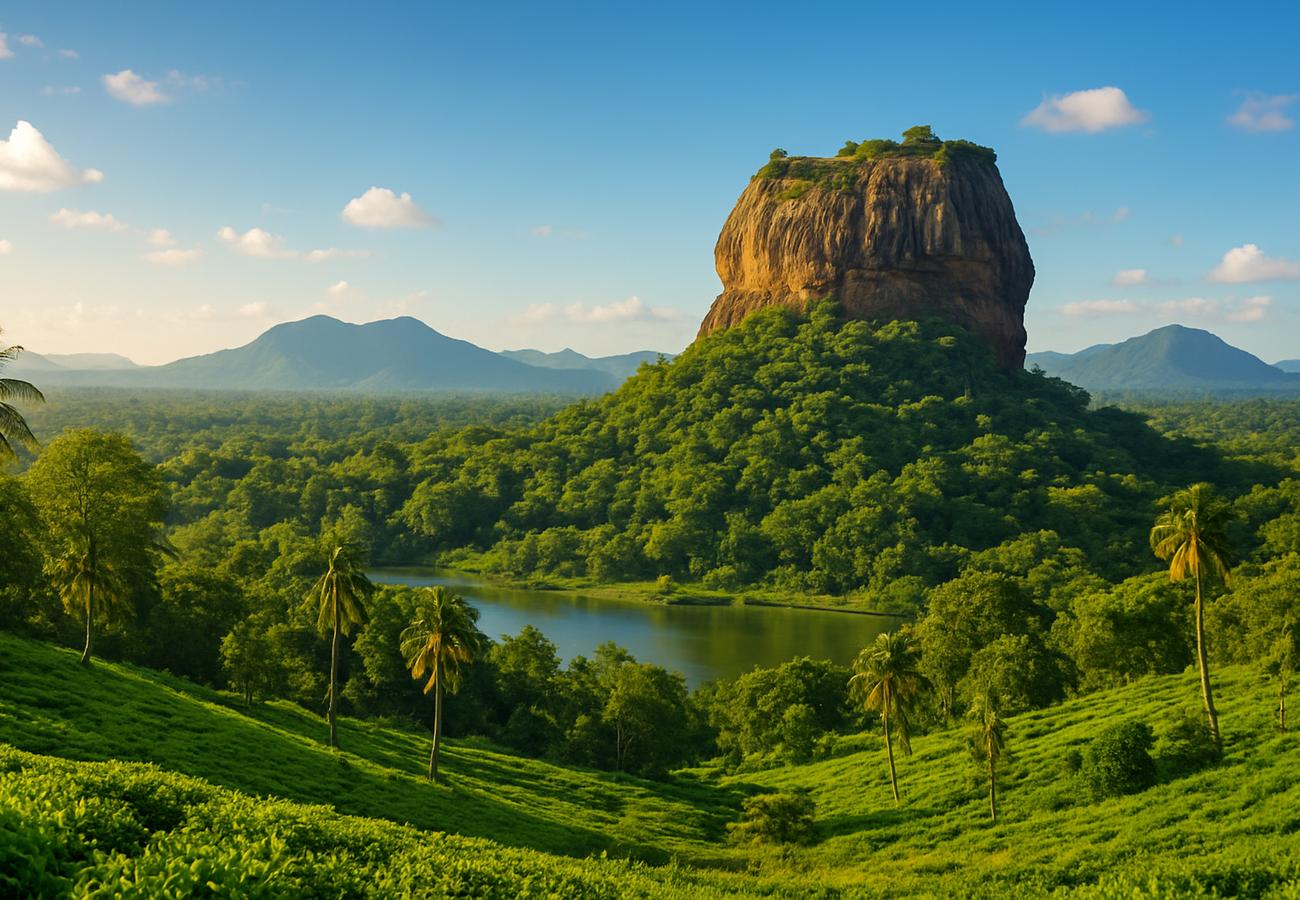
Image generated by AI
The Great Vacation Revolution Is Here
The global travel industry is undergoing a seismic shift. Travelers are rejecting cookie-cutter resorts and manufactured experiences en masse. Instead, they're actively hunting for something real—something that touches their souls and connects them to nature in meaningful ways.
Sri Lanka has become ground zero for this transformation. The island nation isn't just another destination on the map; it's emerged as the blueprint for how modern tourism should actually work.
What's Driving This Radical Change
Burnout is real. Digital exhaustion is spreading like wildfire across Western cities. A corporate professional sitting in London, New York, or Sydney doesn't want another beachside photo op. They want genuine psychological reset.
Reddit: "I spent two weeks in Sri Lanka and it completely changed how I think about travel. No fake experiences, just real connection with nature and people." — r/travel
This awakening has forced the international hospitality sector to fundamentally rethink its playbook. Modern vacationers demand:
- Authentic cultural immersion over staged tourist attractions
- Pristine ecosystems without environmental degradation
- Local economic benefit that directly supports communities
- Genuine wellness experiences grounded in real environments
Sri Lanka delivers on all fronts.
The Island's Unique Geographic Advantage
What makes Sri Lanka uniquely positioned in this new travel paradigm? Geography. Sheer, spectacular geography.
Within hours—sometimes mere minutes—a single traveler can traverse multiple entirely distinct ecosystems. Ancient stone temples crumble softly into misty mountain valleys. Dense wilderness zones harbor apex predators. Tropical coastlines give way to fog-shrouded peaks. Tea plantations roll across emerald highlands.
This natural compression of environments is genuinely rare on a global scale. Few destinations offer such profound biological and cultural diversity in such an accessible footprint.
How Local Communities Actually Benefit
Here's where Sri Lanka's transformation becomes genuinely revolutionary: the money stays local.
Unlike corporate-dominated tourism models that funnel profits to international chains, Sri Lanka's emerging travel infrastructure ensures that rural villages, local guides, craftspeople, and agriculturalists capture direct economic benefit. This creates what industry researchers call grassroots sustainability—economic empowerment bubbling up from actual communities rather than trickling down from corporate entities.
The domestic tourism sector has systematically restructured itself to prioritize transparency and local ownership. Tour operations are increasingly small-scale, community-embedded enterprises rather than faceless multinational chains.
The Spiritual Healing Factor
Modern travelers aren't just seeking new passport stamps. They're seeking transformation.
According to recent travel psychology research, immersion in untouched natural environments measurably reduces stress hormones, improves cognitive function, and generates lasting wellbeing improvements. Sri Lanka's ability to deliver genuine wilderness encounters—not staged nature experiences—satisfies this growing psychological mandate.
For a generation profoundly concerned about climate crisis and environmental destruction, engaging with nature without causing degradation represents an enormous draw. The island offers what few destinations can: authentic conservation happening in real time.
The Commercial Restructuring Is Already Underway
Premium hospitality brands are racing to realign their portfolios. Industry professionals report unprecedented surge in bookings for:
- Photography expeditions documenting endangered species
- Heritage walking journeys through archaeological sites
- Wellness retreats emphasizing local traditions and meditation
- Wildlife tracking experiences with certified local naturalists
This isn't marginal trend activity. This represents fundamental restructuring of how global outbound tour operators design and price their premium offerings.
International tourism boards are officially recognizing Sri Lanka as a masterclass in combining luxury with environmental stewardship—the previously impossible equation that's now becoming standard market expectation.
The Declining Era of Tourist Extraction
One quietly profound consequence of this shift: the death of predatory tourism.
Traditional models extracted wealth from destinations while leaving communities with environmental degradation and cultural erosion. Sri Lanka's emerging model inverts this entirely. International visitor spending directly strengthens local independence, reduces reliance on exploitative corporate structures, and creates genuine economic resilience across rural regions.
This pattern is now spreading. Destination after destination is studying how Sri Lanka restructured its tourism architecture to prioritize both conservation and community wealth.
What This Means for Travelers Planning 2026 Vacations
The practical implication is straightforward: authentic Sri Lankan experiences are becoming increasingly mainstream and accessible.
You no longer need to feel guilty about taking a vacation. When your destination is structurally designed to improve local conditions, employ ethical wildlife practices, and preserve ecosystems, travel becomes an act of positive contribution rather than environmental damage.
The island offers something genuinely rare in commercial tourism: the ability to pursue luxury comfort while maintaining strict environmental and ethical boundaries.
The Broader Global Reshaping
What Sri Lanka demonstrates to the entire international travel sector is profound: ecological sensitivity and authentic storytelling do not conflict with profitable commercial operations. They enhance them.
As this philosophy gains traction across continents, expect:
- More destinations prioritizing community-based tourism
- Increased certification standards for sustainable operations
- Premium pricing for genuinely ethical experiences
- Corporate transparency around environmental impact
- Decline of mass-market, environmentally destructive resort tourism
Sri Lanka isn't just a beautiful destination. It's a working prototype for what responsible global tourism actually looks like.
The future of travel belongs to destinations where nature thrives, communities prosper, and visitors genuinely transform.
Related Travel Guides
US Flight Chaos 2026: Over 140 Flights Cancelled and 680+ Delayed at DFW, Newark, and SFO
Disclaimer
This article is for informational and educational purposes only. It does not constitute legal, financial, or professional advice. While we strive to provide accurate and up-to-date information, travel policies, regulations, and conditions change rapidly. Always verify information with official sources before making travel decisions. Nomad Lawyer makes no representations about the accuracy, reliability, completeness, or suitability of the information provided. Readers should consult qualified professionals for advice specific to their circumstances. The views expressed in this article are those of the author and do not necessarily reflect the views of Nomad Lawyer.
Raushan Kumar
Founder & Lead Developer
Full-stack developer with 11+ years of experience and a passionate traveller. Raushan built Nomad Lawyer from the ground up with a vision to create the best travel and law experience on the web.
Learn more about our team →