
SpiceJet Chaos Strands 300+ Mumbai Fliers in Overnight Meltdown
SpiceJet's operational collapse at Mumbai airport left hundreds stranded overnight in 2026 as 34 flights were cancelled and 272 delayed, exposing gaps in airline communication and contingency planning.

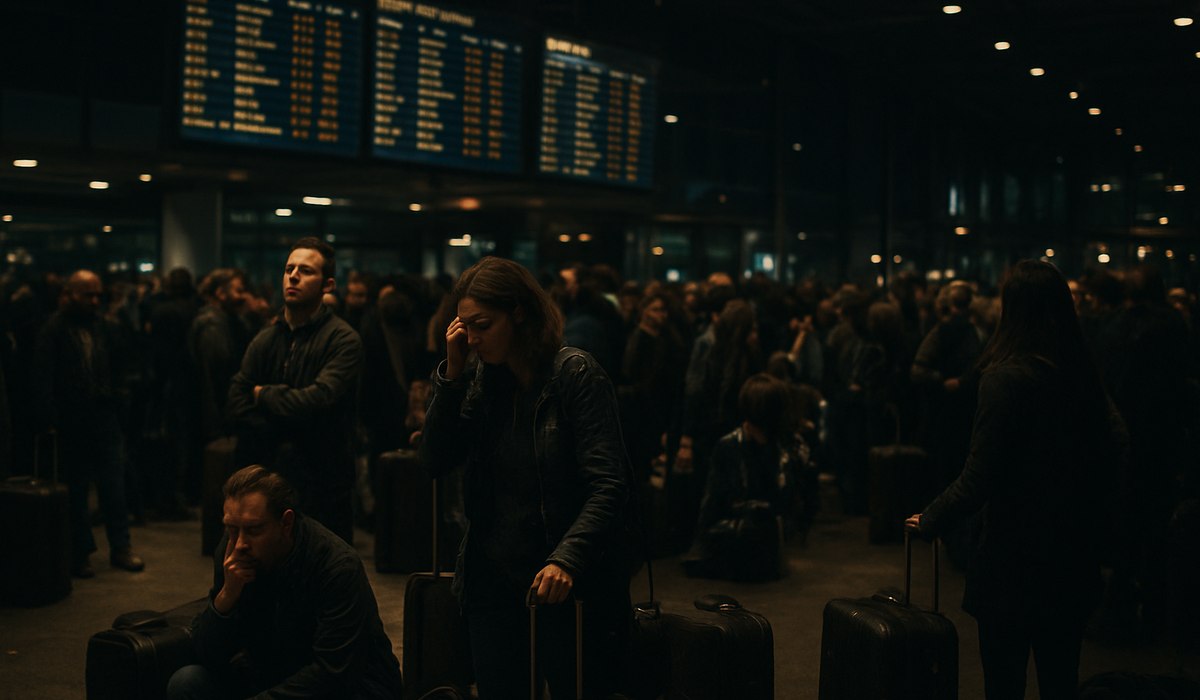
Image generated by AI
SpiceJet Chaos Strands Hundreds in Mumbai Airport Overnight Disruption
SpiceJet's operational collapse at Mumbai's Chhatrapati Shivaji Maharaj International Airport left hundreds of passengers stranded overnight. The incident unfolded late Wednesday into early Thursday, with 34 flights cancelled and 272 delayed across the airline's network. The crisis primarily affected Terminal 1, where domestic travelers heading to Delhi, Bengaluru, Ahmedabad, and Gorakhpur experienced prolonged waits, repeated schedule changes, and minimal communication from airline staff. This operational meltdown exposed critical vulnerabilities in the carrier's contingency planning and passenger support systems during peak travel season.
Widespread Disruption Hits Mumbai Terminal 1
The spicejet chaos strands scenario began unfolding around 10 p.m. Wednesday, creating a cascading effect that lasted well into Thursday morning. Passengers reported clearing security and receiving boarding passes, only to be informed hours later that flights would not operate. Long queues formed at check-in counters and help desks as travelers sought answers about rebooking options and refunds.
Multiple departures faced cancellations, with services bound for major Indian metros either removed from departure boards entirely or delayed by six to twelve hours. The disruption illustrated how quickly a single operational issue at a busy hub can multiply into system-wide failures. With limited slot availability at Mumbai airport and tight aircraft utilization across the low-cost carrier model, one grounded aircraft triggered a domino effect of delays and cancellations throughout the day.
Passenger Frustration Grows Over Poor Communication
The overnight chaos highlighted one of the most damaging aspects of the spicejet chaos strands event: inadequate passenger communication. Travelers reported receiving contradictory information from different airline channels, with some told to expect delays while others were simply told flights were cancelled.
Families with children were forced to sleep on terminal floors as the airline provided minimal clarity on revised departure times. Social media posts documented crowded concourses and passengers repeatedly refreshing the SpiceJet app with no updated information. Several fliers described broken or unresponsive online refund systems and difficulty reaching customer service call centers during the crisis.
The lack of a single, coordinated message from airline leadership contributed to perceptions of poor crisis management. Passengers chanted in frustration at boarding gates, and some questioned whether the airline was meeting India's "right to care" regulations, which mandate refreshments, accommodation, and transfer support during extended delays.
Operational and Weather Issues Cited
SpiceJet attributed the disruption to a combination of grounded aircraft, operational constraints, and weather-related knock-on effects from earlier flight segments. Several aircraft arrived late from other cities, and poor conditions at previous stations contributed to cascading delays that eventually overwhelmed the Mumbai operation.
Industry analysts note that tight fleet utilization across budget carriers leaves minimal buffer when aircraft face mechanical checks or late arrivals. India's peak summer travel period places additional pressure on crew scheduling and aircraft availability. When weather delays occur at one station, they ripple throughout the day, particularly at congested hubs like Mumbai where departure slots are premium-priced and limited.
The airline's public statements referenced operational reasons for cancellations but offered limited detail on specific issues. Some travelers never received clear explanations about whether delays stemmed from weather, mechanical problems, or crew unavailability—a lack of transparency that deepened frustration during the overnight wait.
What Passenger Compensation Options Are Available
Under Indian aviation regulations, passengers affected by the spicejet chaos strands event have specific rights depending on flight distance and delay duration. Domestic flights delayed over three hours may entitle passengers to compensation or meal vouchers. Extended overnight delays typically require the airline to provide accommodation, meals, and communication facility access.
Passengers can file formal compensation claims through the Directorate General of Civil Aviation's portal or through airlines' designated grievance mechanisms. The U.S. Department of Transportation's guidelines on airline passenger rights offer comparable frameworks that travelers can reference when advocating for their rights.
For those seeking refunds or rebooking, passengers should document all interactions with airline staff and keep receipts for any expenses incurred due to delays. Many travelers affected by the spicejet chaos strands event opted to request refunds rather than rebooking on future SpiceJet flights, signaling lost confidence in the airline's reliability.
Those traveling through Mumbai in the coming weeks should consider purchasing travel insurance that includes airline disruption coverage and verify flight status through independent tracking platforms before heading to the airport.
Traveler Action Checklist
If you're affected by airline disruptions like the spicejet chaos strands incident:
- Document all interactions with airline staff, including names, times, and promised actions.
- Keep receipts for food, accommodation, ground transportation, and other expenses incurred during delays.
- Check your airline's formal compensation policy and your country's passenger rights regulations.
- File formal grievance complaints through official aviation authority channels if the airline denies compensation.
- Take photos and videos of crowded terminals, broken information boards, and lack of amenities to support your claim.
- Contact your travel insurance provider within 48 hours to report the disruption and file a claim.
- Monitor independent flight tracking sites like FlightAware for real-time updates rather than relying solely on airline communications.
- Consider booking through credit card companies offering travel protections for additional recourse options.
Key Data: SpiceJet Mumbai Disruption Overview
| Metric | Details |
|---|---|
| Airport | Chhatrapati Shivaji Maharaj International, Mumbai Terminal 1 |
| Flights Cancelled | 34 domestic departures |
| Flights Delayed | 272 flights across network |
| Duration | Late Wednesday through early Thursday morning |
| Primary Routes Affected | Mumbai-Delhi, Mumbai-Bengaluru, Mumbai-Ahmedabad, Mumbai-Gorakhpur |
| Cited Causes | Grounded aircraft, operational constraints, weather knock-on effects |
| Passengers Stranded Overnight | 300+ travelers requiring terminal accommodation |
| Communication Issues | Broken refund links, unresponsive call centers, contradictory updates |
What This Means for Travelers
The spicejet chaos strands event demonstrates why travelers booking flights through Indian hubs should build flexibility into itineraries and maintain contingency plans:
Verify flight status independently before leaving for the airport, using platforms like FlightAware rather than relying solely on airline notifications.
Purchase travel insurance that covers airline operational disruptions, ensuring you have financial protection if you're stranded overnight or forced to rebook.
Document all expenses related to unexpected delays, including meals, accommodation, and ground transportation, to support compensation claims under Indian aviation regulations.
Choose flights with longer connections when traveling through major Indian hubs during peak seasons, reducing the risk that upstream delays cascade into missed connections.
Check your credit card benefits before travel to understand what protections and reimbursement options are available for airline disruptions.
Register with your airline's loyalty program to potentially access priority rebooking and communication channels if disruptions occur.
FAQ: SpiceJet Chaos Strands and Passenger Rights
Q: What should I do if I'm stranded due to airline cancellations? A: Document all interactions with airline staff, request written confirmation of the cancellation, and ask about available rebooking options and compensation. Keep receipts for meals, accommodation, and other expenses. File a formal complaint with your country's aviation authority if the airline refuses to provide mandated support.
Q: Am I entitled to compensation for overnight delays? A: Under Indian regulations, passengers delayed over three hours on domestic flights may receive
Disclaimer
This article is for informational and educational purposes only. It does not constitute legal, financial, or professional advice. While we strive to provide accurate and up-to-date information, travel policies, regulations, and conditions change rapidly. Always verify information with official sources before making travel decisions. Nomad Lawyer makes no representations about the accuracy, reliability, completeness, or suitability of the information provided. Readers should consult qualified professionals for advice specific to their circumstances. The views expressed in this article are those of the author and do not necessarily reflect the views of Nomad Lawyer.
Kunal K Choudhary
Co-Founder & Contributor
A passionate traveller and tech enthusiast. Kunal contributes to the vision and growth of Nomad Lawyer, bringing fresh perspectives and driving the community forward.
Learn more about our team →