
SpiceJet Cancellations Mumbai: Hundreds Stranded Overnight at T1
SpiceJet cancellations at Mumbai's Terminal 1 left hundreds stranded overnight in 2026. Multiple routes to Delhi, Bengaluru, and Ahmedabad were cancelled with minimal communication, sparking passenger outrage.

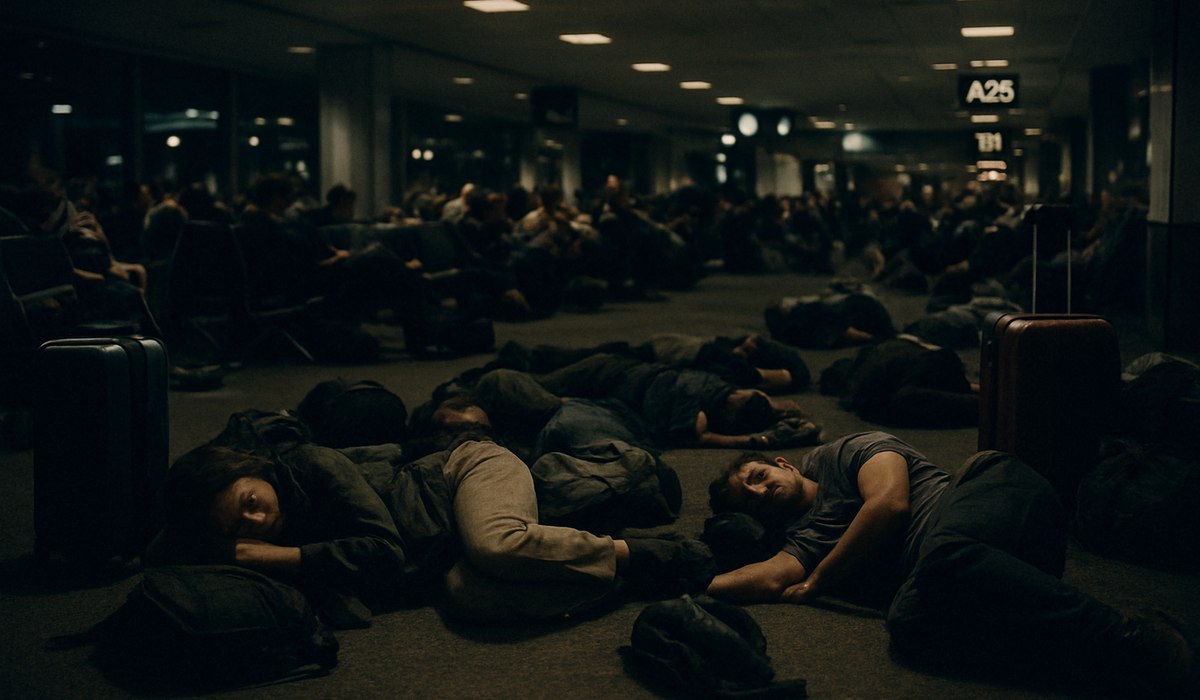
Image generated by AI
SpiceJet Cancellations Mumbai: Operational Meltdown Leaves Hundreds Stranded
SpiceJet's operational crisis at Mumbai's Chhatrapati Shivaji Maharaj International Airport (CSMIA) Terminal 1 has triggered unprecedented overnight disruption, leaving hundreds of passengers stranded without clear rebooking options. What began as evening flight delays Wednesday night cascaded into a full-scale terminal chaos scenario by Thursday morning, with frustrated travelers sleeping on floors, demanding answers from overwhelmed service desks, and documenting scenes across social media. The spicejet cancellations mumbai incident represents a critical failure in passenger communication and operational planning that continues to reverberate across India's domestic aviation network.
The disruption unfolded across Mumbai's primary domestic terminal, which handles budget carriers and regional services. Multiple SpiceJet departures to high-demand routes—including Bengaluru, Delhi, Ahmedabad, and Gorakhpur—were either severely delayed or cancelled outright, stranding families, business travelers, and connecting passengers with minimal advance notice. Industry observers note this incident underscores structural vulnerabilities in SpiceJet's fleet management and communication protocols during crisis situations.
Multiple Routes Affected: Bengaluru, Delhi, and Ahmedabad Disruptions
SpiceJet's cancellation cascade struck at least six confirmed flights across India's busiest domestic corridors. A Bengaluru-bound red-eye service departed approximately nine hours behind schedule, finally pushing back well into Thursday morning after passengers endured the entire night in the terminal. A Delhi flight was delayed multiple times before cancellation announcements came without advance notice, while an Ahmedabad service was pushed back by roughly three hours before ultimately being scrapped.
Additional Thursday morning cancellations added to Terminal 1's gridlock: three separate SpiceJet services to Delhi, Gorakhpur, and Bengaluru were cancelled at short notice, compounding bottlenecks at check-in counters and customer service desks. The concentration of cancellations within a single terminal and airline magnified operational strain, as rebooking resources became stretched thin. Ground staff faced impossible situations attempting to accommodate hundreds of stranded passengers across competing flights. Real-time tracking via FlightAware showed cascading delays as the night progressed, with departure boards continuously refreshed to reflect changing status updates.
Terminal Chaos: Exhausted Passengers and Overwhelmed Service Desks
Overnight terminal chaos at Mumbai T1 painted a stark picture of modern aviation's vulnerabilities when operational systems fail. Passengers reported sleeping on terminal floors from midnight onwards, with some describing 12+ hour waits without shower facilities or meal provision. Long queues snaked from customer service counters as travelers alternated between demanding refunds, seeking rebooking clarity, and venting frustration with ground personnel who lacked authority to resolve the cascading crisis.
Social media videos documented the human toll: families with young children exhausted and crying, elderly travelers confused about rebooking procedures, and business passengers missing critical commitments. Multiple accounts noted the airline's sparse public address announcements, forcing passengers to rely on SpiceJet's mobile app—which itself provided inconsistent updates—or crowdsourced social media posts from fellow travelers. The communication vacuum created secondary frustration, as passengers felt abandoned and uninformed throughout the prolonged ordeal. One traveler's documented timeline showed they arrived at the airport at 10:00 PM, waited until 3:00 AM for initial delay information, and weren't offered rebooking until 6:00 AM the following morning.
SpiceJet's Operational Explanations: Aircraft and Weather Issues
SpiceJet attributed the overnight cancellation cascade primarily to aircraft maintenance issues and adverse weather at upstream stations, according to statements provided to Indian media outlets during the incident. The airline did not cite air traffic control restrictions, Mumbai airport congestion, or infrastructure failures as contributing factors to the disruption. Industry analysts suggest that when a single aircraft goes unscheduled maintenance during peak travel windows, budget carriers with limited spare capacity face exponential cascade effects across their network.
Fleet age and maintenance scheduling have emerged as persistent challenges for mid-sized Indian carriers operating under cost pressures. SpiceJet's decision-making process for converting delays into cancellations—and the timing of those announcements—drew criticism for lack of passenger-centric communication. The airline's pattern of citing operational reasons without specific technical detail has led industry observers to question transparency levels. Regulatory agencies including the Directorate General of Civil Aviation (DGCA) have previously mandated additional oversight of certain carrier operations, heightening public scrutiny of any operational disruptions attributed to vague "technical" causes.
Passenger Impact and Rebooking Challenges
The human cost of SpiceJet's overnight cancellation meltdown extended far beyond the immediate airport experience, creating cascading disruptions for hundreds of passengers across India. Business travelers missed board meetings, client presentations, and time-sensitive commitments. Families with young children faced rescheduling nightmares as connecting flights were already booked for downstream cities. Medical patients traveling for treatments faced appointment delays with potential health implications. Students heading back to university missed registration deadlines.
Rebooking challenges compounded the initial frustration: passengers were offered flights on competing carriers at premium prices, or pushed to multi-day wait lists for the next available SpiceJet services to their destinations. Some passengers reported being told to book their own replacement flights and submit receipt claims for reimbursement—a process with unclear timelines and approval odds. The airline's customer service telephone lines remained congested throughout Thursday morning, leaving many without direct communication channels. Families spending unexpected overnight airport terminal stays without compensation or meal vouchers faced significant out-of-pocket costs. Industry data shows that overnight terminal disruptions disproportionately impact lower-income passengers and small business owners who lack travel insurance or corporate rebooking support.
Traveler Action Checklist: Navigating Flight Disruptions
If you're affected by airline cancellations or facing similar overnight terminal situations, follow these sequential steps to protect your rights and minimize losses:
-
Document everything immediately: Photograph your boarding pass, airline signage showing cancellation status, terminal clock timestamps, and any written communications from the airline regarding rebooking or compensation.
-
Request written confirmation: Ask ground staff for written confirmation of the cancellation reason, your new booking details (if offered), and the airline's communication medium (email, SMS, or physical receipt).
-
Check passenger rights provisions: Verify whether you're entitled to compensation under Indian aviation regulations, which may include meal vouchers, accommodation, communication allowances, or cash compensation depending on flight distance and cancellation timing.
-
Secure accommodation and meal documentation: Keep receipts for any out-of-pocket expenses for hotels, meals, or transportation incurred due to overnight delays—these may be reimbursable.
-
Contact your payment provider: Notify your credit card company or booking platform (Skyscanner, Expedia, etc.) of the cancellation to understand dispute resolution options and potential refund protections.
-
File formal complaints: Submit complaints to the Directorate General of Civil Aviation (DGCA) and the National Consumer Disputes Redressal Commission (NCDRC) if the airline fails to provide required compensation.
-
Monitor real-time status: Use FlightAware to independently verify flight status updates rather than relying solely on airline communications.
-
Track compensation timelines: Airlines typically have 30-45 days to process compensation claims; maintain organized records and follow up if responses are delayed.
Key Data Table: SpiceJet Mumbai Disruption Summary
| Metric | Details |
|---|---|
| Airport & Terminal | Mumbai CSMIA Terminal |
Disclaimer
This article is for informational and educational purposes only. It does not constitute legal, financial, or professional advice. While we strive to provide accurate and up-to-date information, travel policies, regulations, and conditions change rapidly. Always verify information with official sources before making travel decisions. Nomad Lawyer makes no representations about the accuracy, reliability, completeness, or suitability of the information provided. Readers should consult qualified professionals for advice specific to their circumstances. The views expressed in this article are those of the author and do not necessarily reflect the views of Nomad Lawyer.
Preeti Gunjan
Contributor & Community Manager
A passionate traveller and community builder. Preeti helps grow the Nomad Lawyer community, fostering engagement and bringing the reader experience to life.
Learn more about our team →