
Chasing Totality: Spain Issues Traffic Alerts for Millions of August 2026 Eclipse Visitors
Spain's Directorate-General for Traffic (DGT) issues urgent safety warnings for millions of travelers planning to view the August 12, 2026 solar eclipse.
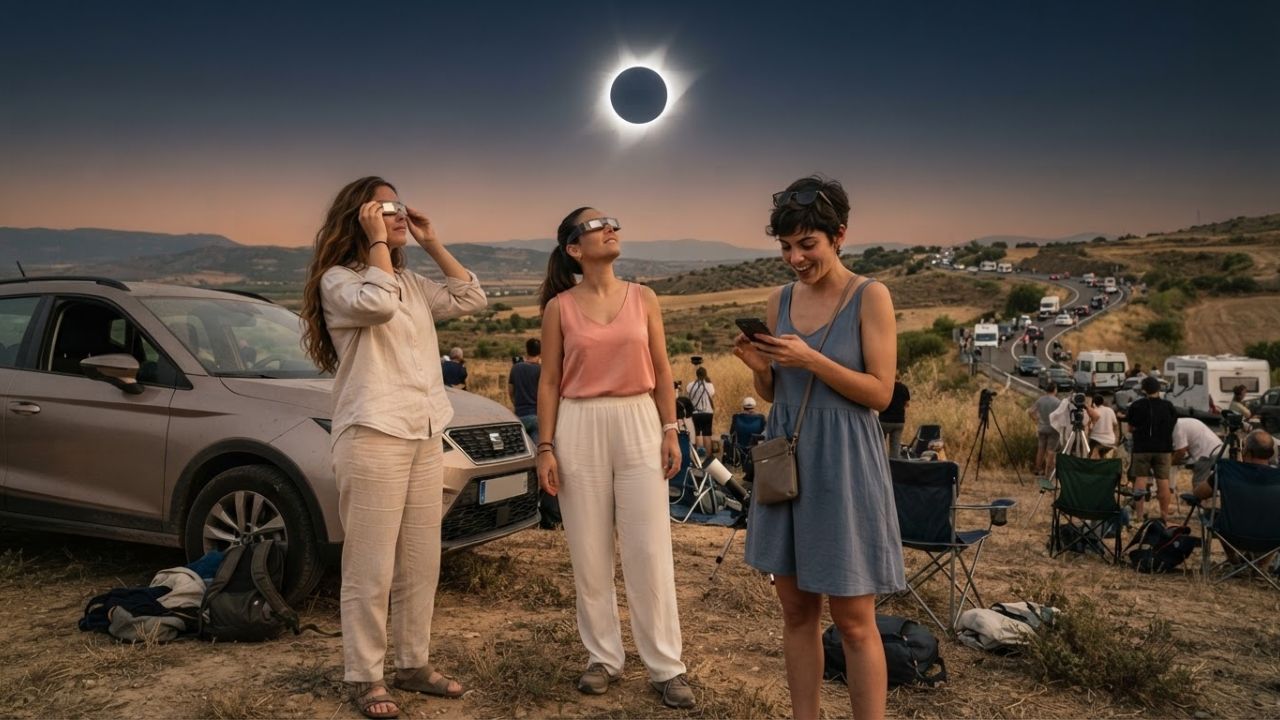
Image generated by AI
When Spain's Directorate-General for Traffic issued an urgent road safety warning ahead of the August 12, 2026 total solar eclipse, it marked the beginning of one of the country's largest traffic management operations. With millions of domestic and international visitors preparing to travel to rural viewing points, the DGT is warning motorists that improper roadside stopping could block emergency services and spark summer wildfires.
The Local Trend Revealed: Astro-Tourism and Spain's Path of Totality
The global travel sector is experiencing a significant rise in astro-tourism, where travelers coordinate their holidays around major celestial events like meteor showers and solar eclipses. Spain is positioned at the center of this trend, with the path of totality for the August 12, 2026 eclipse stretching across several northern and central regions. Rather than staying in major urban hubs like Madrid or Barcelona, spectators are traveling to remote rural viewpoints, mountain ranges, and open coastal spots to secure clear views of the sky.
A solar eclipse occurs when the moon passes between the sun and the Earth, casting a shadow that temporarily blocks daylight. The August 12, 2026 event will be particularly historic because it is the first total solar eclipse visible from continental Europe since 1999. This rare combination of seasonal summer travel and astronomical interest explains why national transit offices are coordinating such extensive safety operations across the country.
This synchronized travel pattern presents exceptional pressure on Spanish roads. Because the event occurs during the height of the summer holiday season, major highways are already experiencing high traffic volume. The DGT expects hundreds of thousands of vehicles to move toward viewing zones hours before the eclipse, creating severe congestion. Smaller secondary roads leading to scenic viewpoints are particularly vulnerable to gridlock, prompting traffic authorities to coordinate temporary access rules and signs.
Cultural Value and Environmental Risks in Spain's Rural Interior
For the visitor, the real impact of this astronomical event is the opportunity to connect with Spain's rural heritage. Many viewing locations are situated near historic castles, olive groves, and national parks. By visiting these areas, travelers directly support rural economies, directing tourism spending to family-run guesthouses, local cafes, and agricultural cooperatives that rarely see high international visitor numbers.
Sustainable eco-tourism initiatives also extend to community education and nature conservation. Local councils in Spain's interior are setting up designated viewing parks with waste collection points, temporary water systems, and solar-powered lighting to manage the visitor surge. By directing crowds to these prepared zones, authorities can prevent soil erosion, protect agricultural crops, and minimize the ecological footprints of millions of travelers.
However, this tourist rush also carries significant environmental risks. August is one of Spain's hottest months, and many rural regions face severe wildfire threats. If visitors park illegally on dry grass or block narrow lanes, they could prevent firefighting vehicles and ambulances from reaching emergencies. To minimize this risk, the Spanish Ministry of Industry and Tourism encourages spectators to use only authorized parking zones and follow the instructions of local traffic officers.
Driving Guidelines and Post-Eclipse Safety Measures
To manage the flow of traffic, the DGT has issued specific road safety instructions for motorists:
- Do Not Stop on Roads: Pulling over on motorways, hard shoulders, bridges, slip roads, or road edges to watch the eclipse is dangerous and strictly prohibited. Stopped vehicles on high-speed roads create major collision hazards.
- Avoid Distractions: Drivers must not look at the eclipse while operating a vehicle. Changing light conditions can affect visibility, and attempts to view the sky while driving increase accident risks.
- Prepare Vehicles in Advance: Ensure your fuel tank is full or your electric vehicle (EV) battery is fully charged before departing. Carry sufficient drinking water, keep mobile phones charged, and pack emergency supplies.
- Ignore Digital Routing Shortcuts: Navigation applications may not immediately show local road closures or temporary emergency access rules. Roadside signs and traffic officer directions take priority over digital maps.
The DGT has also deployed additional traffic officers, helicopters, and drones to monitor traffic flow along key corridors. These teams will coordinate with local police to manage intersections and divert traffic away from congested village centers. Motorists are urged to cooperate with these officers and remain patient during delays, remembering that keeping access routes open is critical to the safety of all participants.
The greatest traffic pressure is expected to occur after the eclipse finishes, when thousands of spectators attempt to return home at the same time. The DGT recommends that travelers delay their departures after the event, allowing traffic to clear and reducing gridlock on routes connecting rural viewpoints with major cities.
Spain Travel Guide: Eclipse Safety and Regional Treasures
For travelers planning to view the eclipse or explore Spain's historic regions, the DGT and local tourism boards suggest the following tips:
- Optimal Booking Windows: Secure your accommodation along the path of totality well in advance, as hotels and campsites in rural areas are reaching capacity ahead of August 12, 2026.
- Eye Protection Rules: Use only certified solar eclipse glasses that meet international safety standards (ISO 12312-2) to observe the sun. Normal sunglasses do not offer sufficient protection.
- Sample Regional Cuisine: Take advantage of your journey to sample local specialties in rural communities, such as wood-fired paella, cured meats, and regional wines sourced directly from village vineyards.
- Explore Historical Monuments: Coordinate your eclipse viewing with visits to nearby cultural sites, such as the Roman aqueduct of Segovia or the medieval castles of Castile and León.
- Support Local Communities: Buy olive oil, cheese, and handmade leather goods directly from village producers, keeping your travel spending within the local community.
- Castilla y León Heritage: The region of Castilla y León, situated in Spain's northern interior, is historic for its vast plains, gothic cathedrals, and medieval fortresses. Serving as a key corridor for the August 2026 eclipse, the region is home to several UNESCO World Heritage cities and historic pilgrimage paths. Travelers can explore the ancient architecture of Burgos, Leon, and Salamanca while positioning themselves for optimal viewing of the solar totality.
- Under-the-Radar Quiet Zones: Seek out the quiet public plazas in smaller villages away from the main highway viewing points, which offer a relaxed atmosphere for observing the sky.
- Off-Peak Transit Times: Plan to arrive at your viewing location at least four to five hours before the eclipse begins, and delay your return journey until late evening or the following morning to avoid highway gridlock.
Long-Term Outlook for Spain's Astro-Tourism Sector
The total solar eclipse of August 12, 2026 represents a historic milestone for Spain's tourism industry. By demonstrating that rural destinations can host major international events through careful traffic planning and community support, the country is establishing a template for future sustainable tourism initiatives. By demonstrating how local councils, transport authorities, and emergency services can cooperate to manage millions of visitors, Spain is showing how seasonal surges can be turned into opportunities for rural development and regional environmental conservation.
Over the coming decade, continued investments in rural roads, green transit networks, and dark-sky reserves will shape Spain's travel market. By maintaining high environmental standards and promoting responsible traveler behavior, the country aims to build a balanced tourist economy that protects its natural reserves and rural heritage for generations of visitors to come.
Disclaimer
This article is for informational and educational purposes only. It does not constitute legal, financial, or professional advice. While we strive to provide accurate and up-to-date information, travel policies, regulations, and conditions change rapidly. Always verify information with official sources before making travel decisions. Nomad Lawyer makes no representations about the accuracy, reliability, completeness, or suitability of the information provided. Readers should consult qualified professionals for advice specific to their circumstances. The views expressed in this article are those of the author and do not necessarily reflect the views of Nomad Lawyer.