
Spain Outpaces France as Autumn Tourism Boom Redefines European Travel Trends in 2026
Spain is leading a massive shift in European travel as international tourists abandon summer crowds for autumn's cultural and gastronomic experiences, driving record spending.

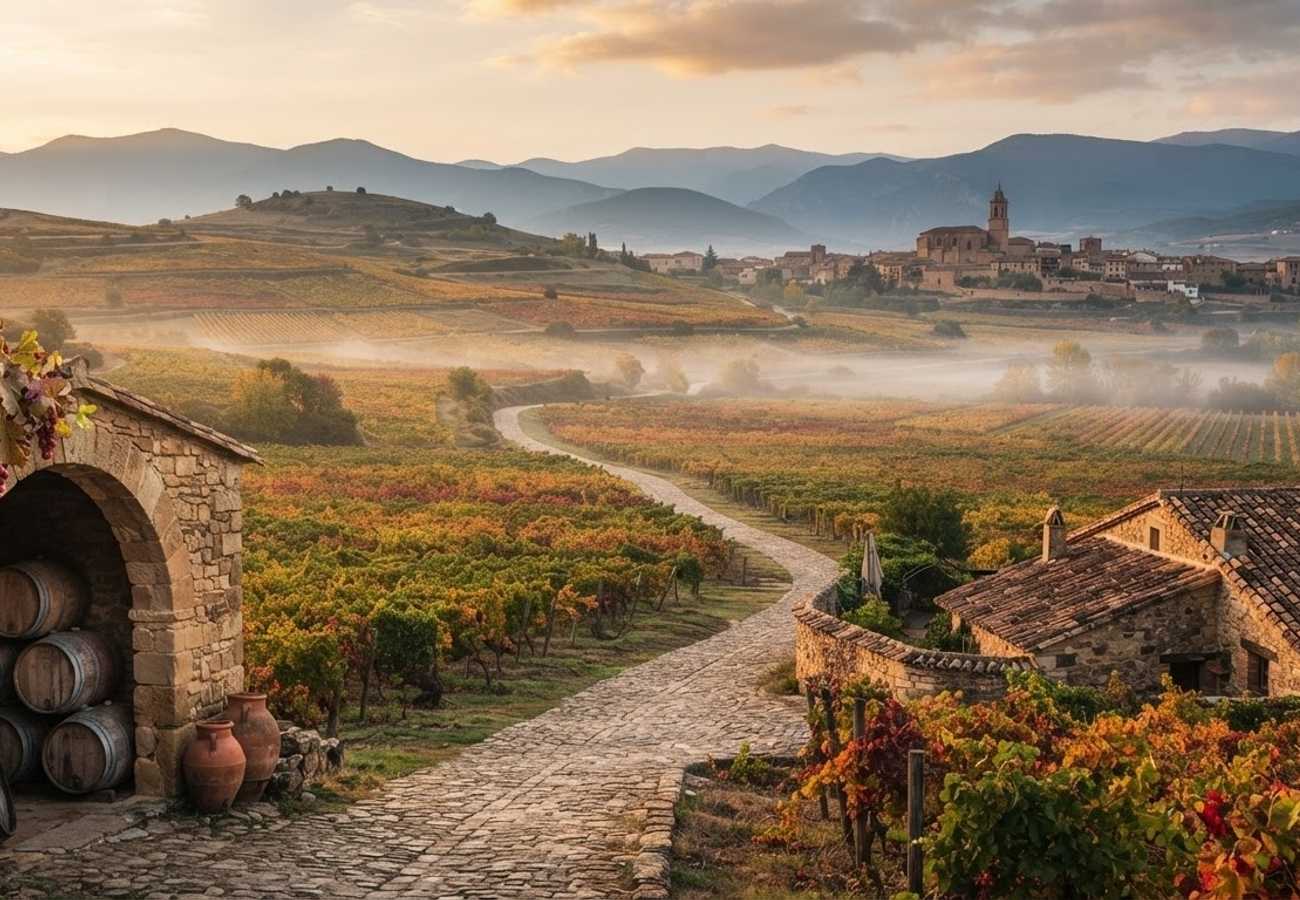
Image generated by AI
Europe is witnessing a seismic shift in travel patterns as September and October emerge as the preferred months for international visitors, with Spain currently outpacing traditional rivals like France in capturing this "shoulder season" demand.
The traditional summer holiday peak is losing its monopoly over the European travel calendar. In its place, a new trend is emerging: a preference for cultural immersion, wellness, and nature-driven itineraries that avoid the oppressive heat and congestion of July and August. This transition is supported by broader continental data, showing that EU overnight stays in the first half of 2026 rose by 1.7% year-on-year to reach 1.321 billion, while international overnight stays grew by 2.5%.
Spain Records Surge in International Visitor Spending
Spain has positioned itself as the primary beneficiary of this seasonal pivot. The country is no longer viewed merely as a summer beach destination but as a year-round hub for gastronomy, heritage, and urban exploration. The financial impact of this shift is evident in recent government data. In July 2026 alone, Spain welcomed 11.5 million international tourists—a 4.6% increase over the previous year.
More significantly, the value of spending by these visitors surged to €18.218 billion, marking a 10.9% increase compared to the same period in 2025. This suggests a critical trend: tourists are not just arriving in larger numbers, but are spending more per capita on high-value experiences. For the first seven months of 2026, total international spending in Spain reached nearly €82 billion, an increase of 7.8%.
The Strategic Shift Toward Shoulder Season Travel
The transition toward autumn travel is driven by a desire for "quality of experience" over "convenience of dates." Travelers are increasingly prioritizing accessibility and authenticity over the rigid schedules of the summer peak.
| Travel Advantage | Benefit for Visitors |
|---|---|
| Cooler temperatures | Easier sightseeing, walking tours and outdoor activities |
| Fewer crowds | Better access to museums, attractions and heritage sites |
| Seasonal events | Wine harvests, cultural festivals and local celebrations |
| Flexible travel options | More choices for accommodation and experiences |
| Authentic atmosphere | Greater connection with local communities |
This movement is particularly pronounced in Southern Europe, where destinations that historically relied on a two-month summer window are now successfully extending their high-demand periods into the autumn months.
Diversification of the Spanish Tourism Portfolio
Spain's current dominance is rooted in its ability to offer a diverse array of experiences that peak during the autumn. By pivoting away from a beach-centric marketing strategy, the country has attracted a more varied demographic of travelers.
Current autumn hotspots in Spain include:
- Madrid: High demand for its world-class galleries and culinary districts.
- Barcelona: A focus on architectural landmarks and seasonal cultural festivals.
- Andalusia: Exploration of historic Moorish cities and regional traditions.
- La Rioja: A surge in vineyard visits and dedicated wine routes.
- Northern Spain: Growth in rural tourism and mountain hiking.
- Valencia: A blend of Mediterranean lifestyle and urban gastronomy.
The regional breakdown of this growth highlights the specific draws for autumn visitors:
| Region | Primary Autumn Draw |
|---|---|
| Andalusia | Heritage cities, cultural experiences and gastronomy |
| La Rioja | Wine tourism and vineyard experiences |
| Catalonia | Architecture, festivals and urban tourism |
| Valencia | Food, beaches and Mediterranean culture |
| Asturias and Northern Spain | Nature, hiking and rural escapes |
| Balearic Islands | Luxury travel and quieter island experiences |
Competition Between European Tourism Powerhouses
While Spain is surging, France remains a formidable competitor. France continues to leverage its prestige in luxury travel, the allure of Paris, and its deep gastronomic roots. However, the nature of the competition has changed. The battle for the autumn traveler is now fought on the grounds of sustainability, value for money, and local authenticity rather than raw popularity.
France maintains its autumn appeal through high-end wine tourism in Bordeaux, the rustic charm of Provence, the architectural heritage of the Loire Valley, and wellness retreats in the Alps. Meanwhile, nations such as Italy, Portugal, Austria, and Slovenia are implementing their own strategies to decentralize tourism, pushing visitors away from overcrowded hotspots and toward regional gems.
The Rise of Enogastronomy and Harvest Tourism
The autumn months have effectively become Europe's "cultural season," largely thanks to the harvest. Wine tourism has evolved from simple tastings into immersive educational experiences where visitors engage with producers and regional identities.
The leading destinations for this trend include Spain (specifically La Rioja, Ribera del Duero, and Catalonia), France (Bordeaux, Burgundy, and Champagne), Italy (Tuscany, Piedmont, and Veneto), and Portugal (Douro Valley and Alentejo). This shift reflects a broader movement toward "slow travel," where the journey and the local story are more important than the destination checklist.
Urban Escapes and the Wellness Movement
European cities are experiencing a "breathing room" effect in autumn. With the summer rush subsided, cities like Rome, Vienna, and Lisbon become more attractive for those seeking a slower pace of exploration. This trend is also benefiting secondary cities, creating a more equitable distribution of tourism revenue across the continent.
Parallel to urban growth is the rise of wellness and nature tourism. Travelers are increasingly seeking thermal spas, mountain retreats, and hiking journeys. This is particularly beneficial for countries like Switzerland, Austria, and Slovenia, whose landscapes are most visually striking during the autumn color change.
Evolving Demographics: Seniors, Luxury Seekers, and Nomads
The autumn boom is being fueled by three distinct traveler profiles:
- Senior Travelers: This group favors autumn for the milder climate and the ability to navigate cultural sites without the stress of peak-season crowds.
- Luxury Visitors: High-net-worth individuals are opting for private tours and boutique countryside stays that offer more exclusivity during the shoulder season.
- Digital Nomads: The rise of remote work has created a class of "workationers" who extend their stays in European cities, supporting the local economy well beyond the traditional holiday window.
Why This Matters
For the modern traveler, this shift represents a liberation from the "summer trap." By moving travel windows to September and October, visitors gain significant leverage in terms of pricing and access. From a logistical standpoint, this reduces the strain on European infrastructure and prevents the "overtourism" crises seen in cities like Venice or Barcelona during July. For the remote worker or digital nomad, this trend validates the viability of long-term European residency, as the environment becomes more conducive to both productivity and exploration.
The era of the singular summer peak is ending, giving way to a more sustainable, year-round tourism economy across Europe.
Related Travel Guides
Disclaimer
This article is for informational and educational purposes only. It does not constitute legal, financial, or professional advice. While we strive to provide accurate and up-to-date information, travel policies, regulations, and conditions change rapidly. Always verify information with official sources before making travel decisions. Nomad Lawyer makes no representations about the accuracy, reliability, completeness, or suitability of the information provided. Readers should consult qualified professionals for advice specific to their circumstances. The views expressed in this article are those of the author and do not necessarily reflect the views of Nomad Lawyer.
Preeti Gunjan
Contributor & Community Manager
A passionate traveller and community builder. Preeti helps grow the Nomad Lawyer community, fostering engagement and bringing the reader experience to life.
Learn more about our team →