
Dubrovnik 2026 Travel Guide: Optimized 1-4 Day Itineraries, Costs and Logistics
A professional breakdown of Dubrovnik's 2026 tourism logistics, including precise costs for city walls, Lokrum Island, and Mount Srđ, with strategic itineraries for 1 to 4 day visits.

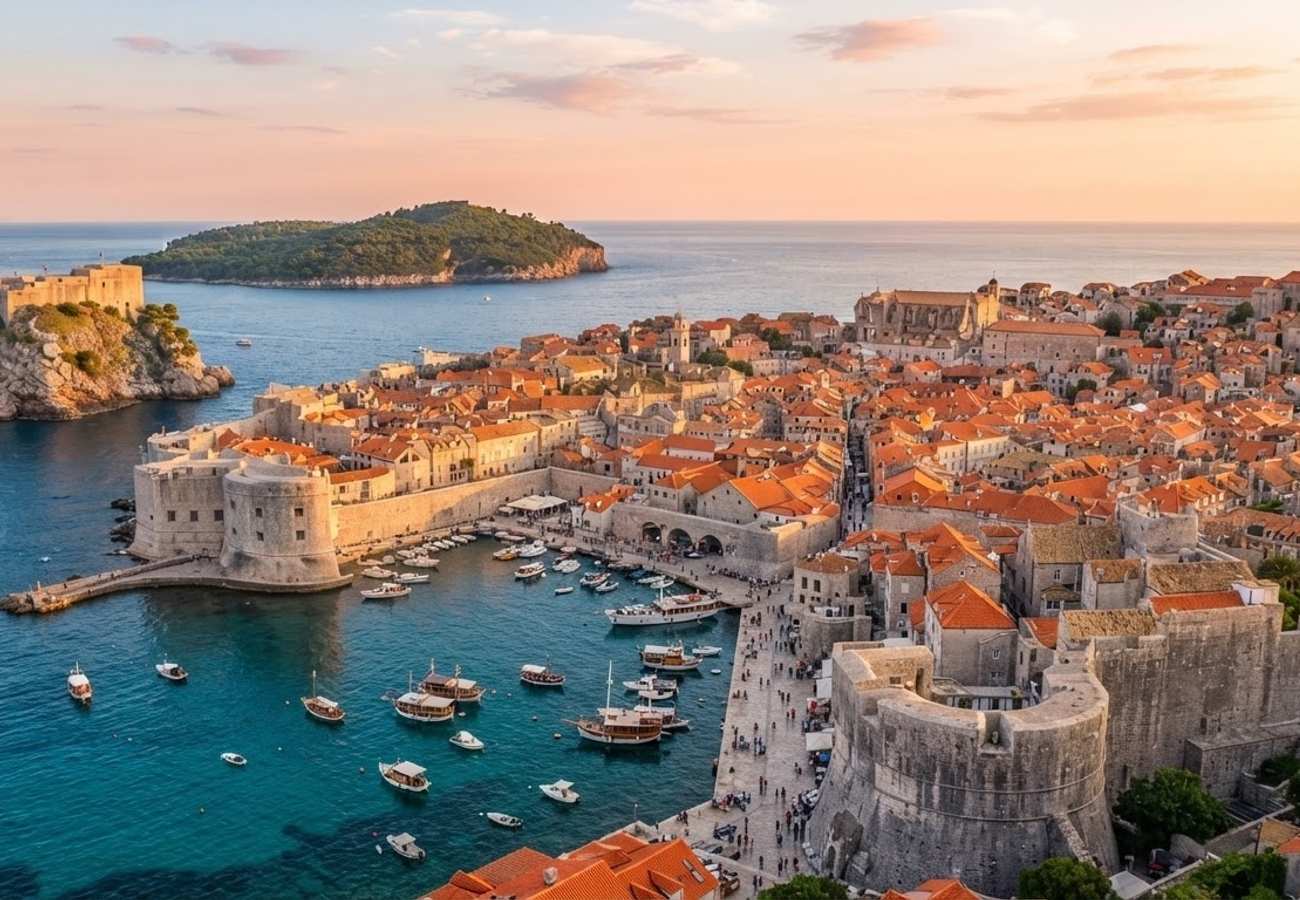
Image generated by AI
Dubrovnik remains a high-density tourist destination where strategic timing and budget planning are essential to avoid cruise-ship crowds and peak summer heat.
For travelers visiting in 2026, the city's compact geography allows for a comprehensive experience in as little as 24 hours, though a three-day stay is the optimal balance for sightseeing and recovery.
Strategic Duration and Accommodation Logistics
The length of stay dictates the depth of the experience. A single day covers the essential architectural landmarks. Two days introduce the natural surroundings of Lokrum Island. Three days allow for the Elafiti archipelago, while four days enable excursions to Cavtat or Mljet.
From a logistical perspective, accommodation choice directly impacts daily efficiency:
- Old Town (Inside Walls): Maximum proximity; however, visitors must manage luggage over cobblestones and stairs. Prices are at a premium.
- Pile Gate / Ploče: High accessibility (under 10-minute walk to the center) with reduced evening noise levels.
- Lapad / Babin Kuk: Modern infrastructure and family-friendly beaches. Accessible via the Libertas bus (10–15 minute transit).
For those visiting multiple museums and the walls, the Dubrovnik Pass is the most efficient financial tool. It typically matches the cost of a standalone city walls ticket while adding public transit and museum access.
Day 1: Architectural Core and Fortifications
Efficiency on day one requires an early start. Arriving at Pile Gate before 8:30 a.m. in July and August ensures a quiet transit through the Stradun.
Morning Logistics:
- Breakfast: Local bakeries near the gate offer burek or croissants and coffee for roughly 4–6 euros.
- City Walls: The primary objective. Adult tickets typically range from 35–40 euros. The loop takes 1.5 to 2 hours.
- Critical Note: There is almost no shade on the ramparts; water and sunscreen are mandatory.
Afternoon and Evening: Visitors should transition to the shaded side streets to visit the Franciscan Monastery cloister or the Rector’s Palace. The Dubrovnik Pass can save 10–20 euros on these entries. The day concludes at Lovrijenac Fortress, perched on a cliff west of the walls, which is usually bundled with the wall ticket.
Day 2: Maritime Transit and Elevation
The second day shifts focus toward the natural periphery of the city.
Lokrum Island: Ferries depart from the Old Port starting around 9 a.m. in season. In 2026, combined ferry and nature reserve tickets for adults are approximately 30 euros. The island is car-free and features the Benedictine monastery ruins and the "Dead Sea" saltwater lagoon.
Mount Srđ: To avoid the midday heat, the ascent to Mount Srđ should be timed for two hours before sunset.
- Cable Car: Round-trip adult tickets are generally in the mid-20 euro range.
- Hiking Alternative: A steep, one-hour marked trail exists for those seeking a cost-free ascent, though it requires proper footwear and a flashlight for descent.
Day 3: Coastal Exploration and Island Hopping
Day three focuses on the Adriatic coastline and the surrounding archipelago.
Beach Logistics:
- Banje Beach: High visibility of the city. Beach club loungers cost 20–30 euros in peak season; public sections are free.
- Sveti Jakov: A quieter alternative accessed via stairs.
- Lapad Bay: Family-oriented, accessible by bus.
Water Activities: Sea kayak tours (2.5 to 3 hours) typically cost 35–45 euros per person. For broader exploration, full-day cruises to the Elafiti Islands (Koločep, Lopud, and Šipan) from Gruž harbor range between 50 and 80 euros.
Local Transit and Cost Summary
The Libertas bus system connects the primary hubs of Gruž, Lapad, and the Old Town.
2026 Transit Pricing:
| Service | Estimated Cost | Notes |
|---|---|---|
| Single Bus Ride | ~2.50 euros | Purchased from driver |
| 24-Hour Bus Ticket | 5–6 euros | Purchased at kiosks |
| City Walls Ticket | 35–40 euros | Adult standard |
| Lokrum Combined Ticket | ~30 euros | Ferry + Entry |
| Cable Car (Round Trip) | Mid-20 euro range | Subject to annual change |
| Sea Kayak Tour | 35–45 euros | 2.5–3 hour duration |
| Elafiti Island Cruise | 50–80 euros | Full day with lunch |
Why This Matters: Industry Analysis
From a logistical perspective, Dubrovnik is a case study in "overtourism" management. The high cost of the city walls (35–40 euros) serves as a revenue driver but also a barrier that pushes savvy travelers toward the Dubrovnik Pass.
For the traveler, the real impact is the "heat-and-crowd" window. Between 11:00 a.m. and 4:00 p.m., the Old Town becomes a bottleneck. Our analysis of the route map suggests that shifting activities—such as moving to Lokrum Island or the Lapad district during these hours—is the only way to maintain a "relaxed pace" in a city that is physically constrained by its own walls.
Forward Outlook
As Dubrovnik continues to integrate more digital ticketing and pass systems, we expect a further shift toward "timed entry" for the city walls to manage flow. Travelers should expect prices for the Cable Car and Ferry services to fluctuate based on seasonal demand, making the pre-purchase of passes more critical than in previous years.
Strategic planning is the difference between a stressful transit and a curated Adriatic experience.
Related Travel Guides
Disclaimer
This article is for informational and educational purposes only. It does not constitute legal, financial, or professional advice. While we strive to provide accurate and up-to-date information, travel policies, regulations, and conditions change rapidly. Always verify information with official sources before making travel decisions. Nomad Lawyer makes no representations about the accuracy, reliability, completeness, or suitability of the information provided. Readers should consult qualified professionals for advice specific to their circumstances. The views expressed in this article are those of the author and do not necessarily reflect the views of Nomad Lawyer.
Kunal K Choudhary
Co-Founder & Contributor
A passionate traveller and tech enthusiast. Kunal contributes to the vision and growth of Nomad Lawyer, bringing fresh perspectives and driving the community forward.
Learn more about our team →