Spain Joins Romania and Other Countries as October 2026 Europe Travel Grows With Culture Food and New Hotels

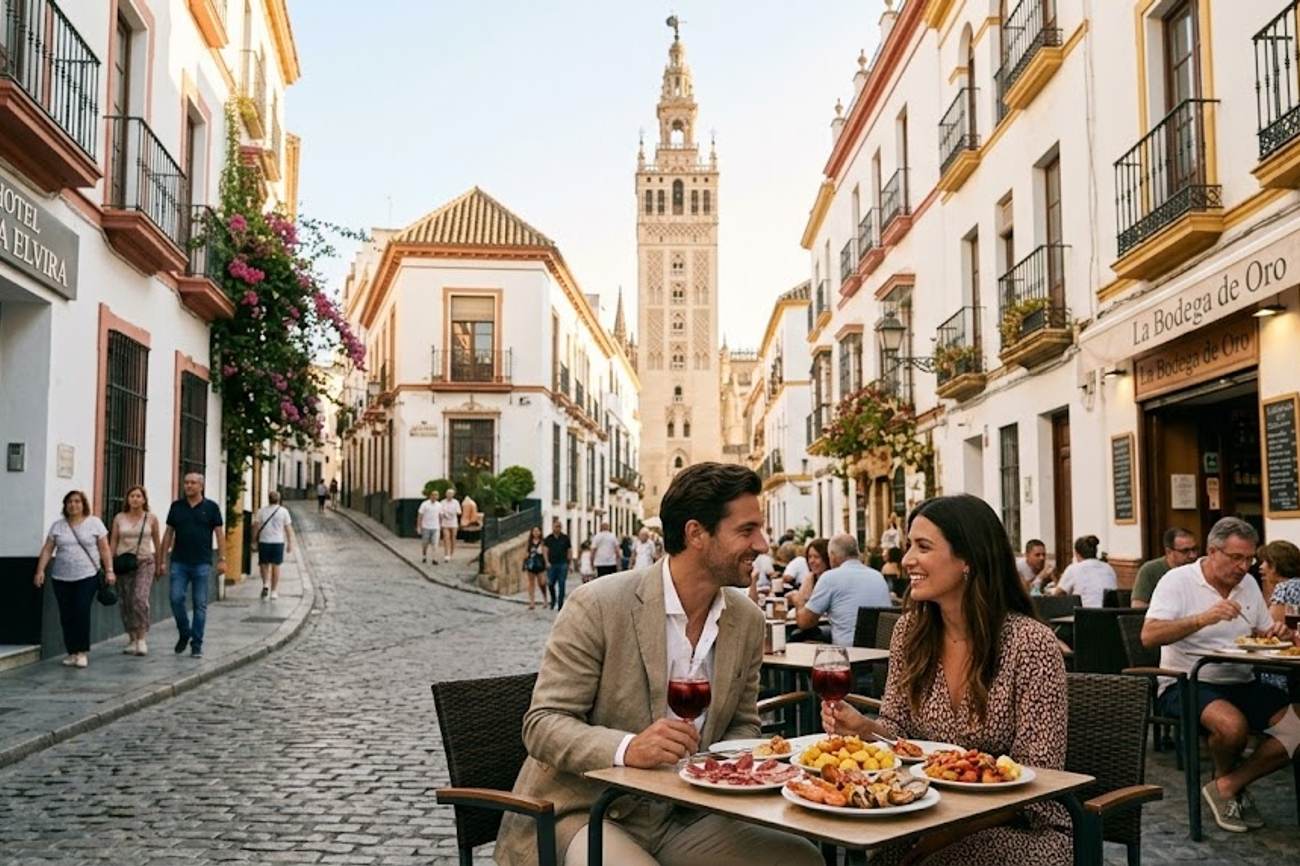
Image generated by AI
[Madrid, October 2026] — Spain is spearheading a coordinated surge in European shoulder-season tourism, anchored by the 50th anniversary of New Basque Cuisine in San Sebastián.
The push for October travel across the continent centers on a strategic pivot toward event-driven and heritage-based tourism in Spain, Romania, Malta, and the United Kingdom. By leveraging high-profile culinary events, medieval history, and urban cultural expansions, these destinations are attempting to decouple their tourism economies from the traditional summer peak.
The Catalyst for Autumn Migration
The primary driver for Spain's October traffic is the San Sebastián Gastronomika congress, scheduled for October 5–7, 2026. Hosted at the Kursaal, the event serves as a global focal point for food tourism, specifically commemorating the half-century milestone of New Basque Cuisine. This event-led strategy transforms the region from a passive sightseeing destination into a concentrated hub for international culinary professionals and enthusiasts.
Simultaneously, Romania is positioning the Transylvania region as a premier autumn destination. The strategy focuses on Brașov and Bran, utilizing the natural shift in Carpathian mountain landscapes to attract nature tourists and history enthusiasts. This regional approach allows Romania to market a diverse portfolio—ranging from the Black Church to the Seven Ladders Canyon—rather than relying solely on the narrow "Dracula" narrative.
Markets and Destinations Impacted
The shift in travel patterns is distributed across several key European corridors, each targeting a specific tourist demographic:
- Spain (San Sebastián): High-spend gastronomy tourists. The focus is on Michelin-starred dining and the Gastronomika congress (Oct 5–7).
- Romania (Brașov & Bran): Heritage and outdoor adventurers. Bran Castle, located approximately 35 km from Brașov, remains the primary anchor.
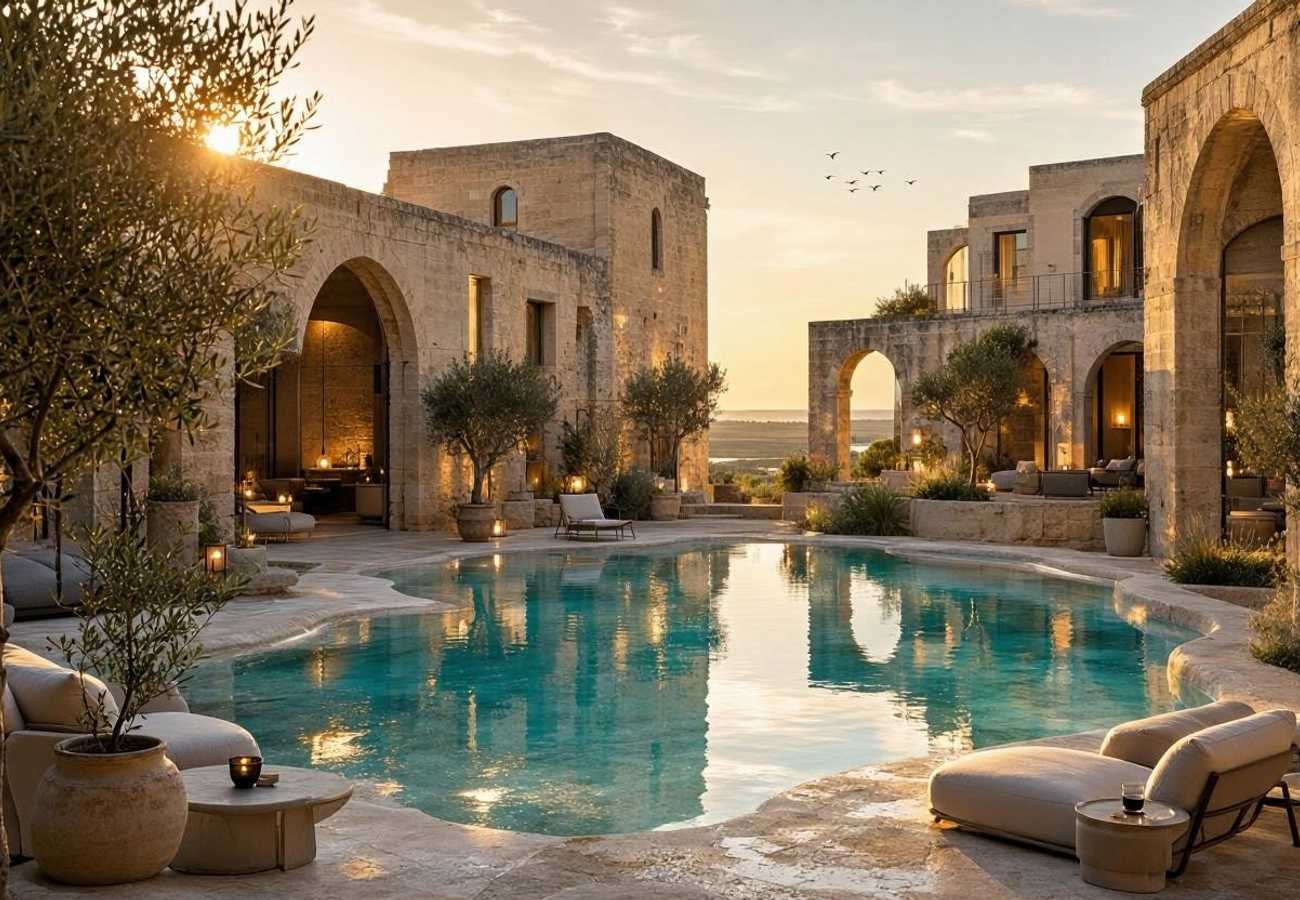
- Malta (Valletta, Gozo, Comino): Mediterranean seekers. The focus is on extending the beach and coastal season into October via the Blue Lagoon and Valletta’s architecture.
- United Kingdom (London): Urban explorers. High activity is expected around Fitzrovia, Oxford Circus, and Westfield White City, driven by new hotel openings and museum exhibitions.
- Portugal (Lisbon): Luxury hospitality guests, specifically those targeting the newly opened Hotel Corpus Christi Lisboa in the Baixa district.
- Ireland (Midlands): Cultural tourists attending the Púca Festival at the Hill of Ward and Hill of Tara.
- Germany (Munich): Festival-goers attending Oktoberfest at the Theresienwiese.
- France (Lyon): Art collectors and critics attending the Biennale d’Art Contemporain.
Practical Traveler Advisory and Strategic Insights
For the modern nomad or leisure traveler, this diversification of the European calendar means that "peak season" is effectively being extended. Travelers should expect the following real-world impacts:
Booking Volatility: While October was traditionally a quiet period, the concentration of events like San Sebastián Gastronomika means that hotel availability in specific hubs (like the Basque Country) will tighten significantly between October 5 and 7. Travelers cannot assume "shoulder season" vacancy in event-driven cities.
Diversified Itineraries: There is now a viable blueprint for multi-country autumn trips. A traveler can realistically bridge the gap between the Spanish National Tourist Office promoted culinary events and Romania's mountain heritage without facing the crowds of July or August.
Infrastructure Shifts: The opening of new luxury assets, such as the Hotel Corpus Christi Lisboa in Portugal, indicates that high-end hospitality is no longer just catering to summer crowds but is investing in year-round urban occupancy.
Data-Driven Demand Trends
The push for October travel is backed by aggressive growth figures from the first half of the year. According to the National Statistics Institute (INE), Spain recorded 9.7 million international tourist arrivals in June 2026 alone. This represents a 2.9 per cent increase over June 2025.
Looking at the broader window, international arrivals in Spain for the first six months of 2026 reached approximately 46.6 million, a growth rate of 4.6 per cent. While these figures represent the pre-autumn surge, they signal a high-capacity market entering the October window with significant momentum.
As Spain joins Romania and other countries in anticipating a surge in October 2026 Europe travel, the Spanish tourism industry is gearing up to welcome visitors with its rich culture and delectable food. For the most up-to-date information on travel requirements and recommendations, visitors can check the official Spanish Tourism Board website for insights into the best destinations and experiences. With its vibrant cities and beautiful landscapes, Spain is an ideal destination for travelers looking to immerse themselves in European culture.
Future Outlook and 2027 Planning
The current travel landscape is also serving as a testing ground for long-term astronomical tourism. Travel planners are already integrating Southern Egypt and Gibraltar into future itineraries to accommodate the solar eclipse scheduled for 2027. This indicates a shift toward "appointment travel," where tourists plan trips years in advance based on specific celestial or cultural milestones rather than seasonal weather patterns.
In the immediate term, the success of the October 2026 window will depend on the ability of destinations like Brașov and Valletta to convert short-term event visitors into long-term regional explorers. The integration of medieval heritage in Romania and Mediterranean coastal experiences in Malta suggests a broader European effort to stabilize tourism revenue across all four quarters of the year.
FAQ: Europe Autumn Travel 2026
When is the best time to visit San Sebastián for food tourism? The peak window is October 5–7, 2026, to coincide with the San Sebastián Gastronomika event at the Kursaal, celebrating 50 years of New Basque Cuisine.
How do I get from Brașov to Bran Castle in Romania? Bran Castle is located approximately 35 kilometers from Brașov. The city serves as the primary urban base for those exploring the Carpathian Mountains and Transylvanian heritage sites.
Which new luxury hotels are opening in Portugal for 2026? The Hotel Corpus Christi Lisboa is a key new opening in the Baixa district of Lisbon, focusing on heritage accommodation and luxury hospitality.
What are the primary attractions in Malta during October? Travelers are focusing on the historic architecture of Valletta and the natural coastal experiences of Gozo, Comino, and the Blue Lagoon.
The European travel map is no longer a summer-only blueprint.
Related Travel Guides
- Slovakia Teams Up With United States And More Among 54 Visa Free Travel Countries Boosting Canada Tourism
- Switzerland Travel Reveals Magical Autumn Escape With Golden Landscapes, Alpine Beauty And Luxury Experiences
- Mexico Travel Boosts As Mexicana Adds Ninth Embraer Jet With Over Eleven Percent Capacity Growth
This article is for informational purposes. Flight routes, passenger regulations, visa rules, and transit advisories are subject to change by airlines and aviation authorities. Readers are advised to verify schedules and travel documentation with relevant carriers and border agencies before departure.
Related Stories

Spain and France Lead Global Winter Tourism Rankings 2026 as Seasonal Travel Shifts

European Mass Protests Disrupt Travel Across France, Italy, Belgium, and Turkey in 2026