
Spain Inland Tourism Report 2026: Global Partnership to Promote Hidden Interior Treasures
Spain has launched a global partnership with Hong Kong, France, and the UK to promote its inland treasures, shifting the tourism focus from coastal beaches to historical heartlands.

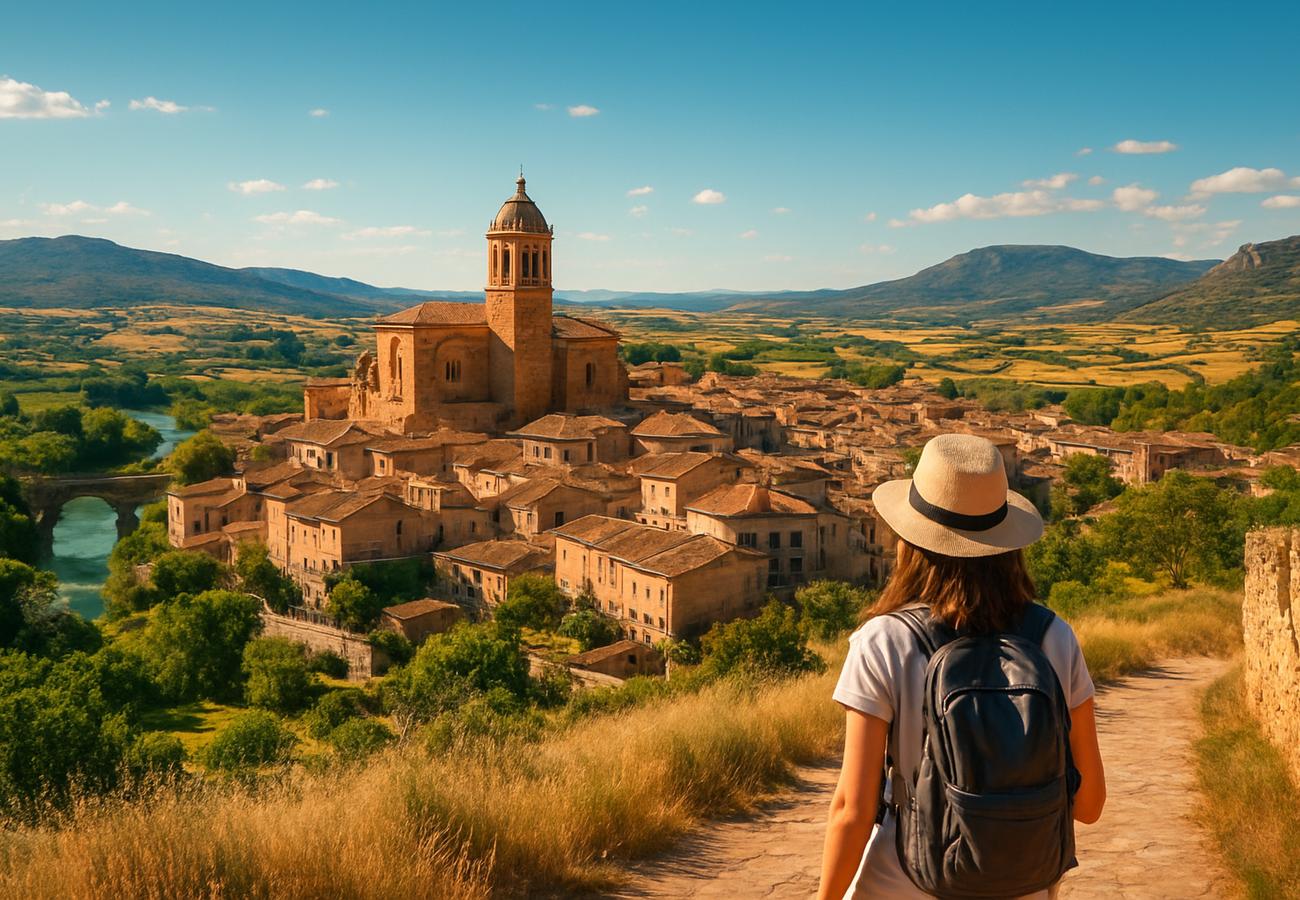
Image generated by AI
Quick Summary
- Global Initiative: The Tourism Office of Spain has launched a massive partnership with Hong Kong, France, the UK, Andorra, Italy, Portugal, and Algeria to promote Spain's inland destinations.
- Strategic Shift: The campaign aims to decentralize tourism from crowded coastal hotspots to the country’s historic interior, natural parks, and cultural heartlands.
- Key Destinations: Featured regions include Segovia, Salamanca, Burgos, Ávila, León, and Toledo, alongside the Pyrenees Mountains and La Rioja wine region.
- East Asian Gateway: Hong Kong serves as a primary bridge for the Asian market, highlighting Spain's medieval architecture and rural landscapes to East Asian travelers.
- Heritage Focus: The initiative spotlights Roman, Moorish, and Islamic influences in cities like Córdoba and Mérida.
- Nature & Adventure: Destinations like Ordesa y Monte Perdido National Park and the Camino de Santiago are being promoted to eco-conscious and adventure-seeking tourists.
- Source: Tourism Office of Spain and Hong Kong Tourism Stakeholder reports as of May 7, 2026.
Spain is officially pivoting its international tourism strategy toward its less-explored interior, leveraging a powerful global coalition to highlight the country’s rich inland heritage. On May 7, 2026, the Tourism Office of Spain confirmed that a strategic partnership involving Hong Kong and several European nations is now live, aiming to showcase the "contemplative and authentic" side of Spain. By spotlighting medieval architectural gems in Castile and León, the rugged peaks of the Pyrenees, and the intricate Roman-Islamic history of Extremadura and Andalusia, the campaign seeks to provide a sustainable alternative to the traditional sun-and-beach model. For travelers from Hong Kong to London, the initiative offers a deeper immersion into the "Heart of Spain," where centuries-old historical routes like the Camino de Santiago and world-class wine regions like La Rioja provide a multi-dimensional travel experience that is both culturally enriching and environmentally responsible.
Spain’s Hidden Inland Treasures: Key Destinations and Global Partner Focus
The following table outlines the primary inland assets and the specific traveler segments being targeted by global partners.
| Region / City | Primary Asset | Global Partner Focus | Strategic Appeal |
|---|---|---|---|
| Segovia & Ávila | Medieval Walls & Aqueducts | Hong Kong & France | Historic Preservation |
| Salamanca & Burgos | Renaissance Architecture | Portugal & Belgium | Academic & Cultural Heritage |
| The Pyrenees | Rugged Landscapes & Hiking | Andorra & Sweden | Adventure & Nature |
| Toledo & Córdoba | Roman-Moorish-Islamic History | Algeria & Italy | Inter-Cultural Connection |
| La Rioja | Premium Wine Tourism | Netherlands & Australia | Gastronomy & Enology |
| León | Gothic Architecture | United Kingdom | Immersive Discovery |
| Camino de Santiago | Pilgrimage & Scenic Routes | Germany | Spiritual & Religious Travel |
Decentralizing Spanish Tourism: A Global Push for the Interior Heartland
The shift toward inland tourism is a response to the growing demand for authentic experiences:
- Beyond the Beach: The campaign encourages travelers to look past the Mediterranean coast to discover the historical depth of central Spain.
- Sustainable Balance: By diversifying destinations, Spain aims to reduce the environmental and social pressure on coastal cities like Barcelona and Málaga.
- Authentic Immersion: Inland regions offer a slower pace of travel, focusing on local traditions, rural landscapes, and historical continuity.
Hong Kong and East Asia: A Gateway to Spain’s Historical Routes
Hong Kong has emerged as a critical partner in the Asian market:
- Bridge to Asia: As a global financial hub, Hong Kong is introducing Spain’s interior to high-net-worth travelers from across East Asia.
- Cultural Curiosity: Stakeholders in Hong Kong are highlighting Spain’s medieval towns and "untouched" natural beauty, which resonate with the growing Asian interest in European history.
- Inland Events: Promotional events in Hong Kong have successfully showcased Spanish rural life as a premium alternative to traditional urban sightseeing.
European Synergy: France, UK, and Italy Lead the Inland Revival
Spain’s neighbors are playing a pivotal role in redefining the "Spanish vacation":
- France: Emphasizing shared history, French tourism operators are focusing on the medieval routes of Segovia and Burgos.
- United Kingdom: British tourists are being guided toward the historical richness of Ávila and León, catering to a demand for meaningful, history-filled exploration.
- Italy: With a shared Mediterranean heritage, Italian travelers are being directed toward the Roman influence in Mérida and the Islamic architecture of Córdoba.
The Iberian Connection: Portugal and Andorra’s Role in Mountain and Rural Tourism
Close neighbors are promoting shared geographical and cultural landscapes:
- Portugal: Portuguese travelers are increasingly visiting northern and central Spain, particularly the "landlocked beauty" of Salamanca and Zamora.
- Andorra: Leveraging its mountain heritage, Andorra is promoting the Pyrenees and the neighboring Navarra and Aragón regions for hiking and nature-based tourism.
Cultural Depth: Córdoba, Mérida, and the Islamic-Roman Heritage
The initiative places significant emphasis on the diverse historical layers of the interior:
- Moorish Legacy: Algeria’s involvement highlights the deep historical ties between Spain and North Africa, particularly the Islamic mark on cities like Córdoba.
- Roman Foundations: Mérida’s ancient ruins are being marketed as some of the most well-preserved Roman sites in the Mediterranean basin.
- Historic Synthesis: The blending of Roman, Christian, and Islamic influences provides a "contemplative" experience for global history enthusiasts.
Adventure and Gastronomy: The Pyrenees and La Rioja Wine Regions
Beyond history, Spain’s interior offers world-class nature and food:
- National Parks: Ordesa y Monte Perdido is a primary focus for Nordic and Dutch travelers seeking pristine wilderness.
- Wine Tourism: La Rioja is being positioned as a global gastronomic destination, combining high-end enology with rural luxury stays.
- Active Travel: The Camino de Santiago continues to be a major draw for German and Australian travelers seeking a mix of spiritual pilgrimage and scenic countryside.
Expanding the Scope: Germany, Benelux, and Scandinavia’s Interest in Authentic Spain
The partnership extends to broader European and global markets:
- Germany: Remains the leader in the religious and spiritual tourism segment via the Camino routes.
- Benelux (Belgium/Netherlands): Focused on the architectural and "off-the-beaten-path" treasures of the central plateau.
- Scandinavia (Sweden): Attracted to the rural, environmentally-friendly tourism models in Spain’s national parks.
Conclusion: Redefining Spain’s Tourism Brand for the Immersive Traveler
The May 7, 2026, report on Spain’s inland tourism partnership confirms that the nation is successfully re-engineering its tourism brand. By moving beyond the "glorious beaches" and collaborating with a diverse range of global partners—from Hong Kong to Algeria—Spain is ensuring its less-traveled destinations receive the recognition they deserve. The breathtaking landscapes and stunning historical cities of the interior offer a "deeper and more immersive" experience that is becoming the new standard for the modern traveler. As this global coalition grows, Spain’s inland treasures are set to become primary drivers of tourism growth, proving that the heart of the country is just as vibrant and culturally significant as its famous coastlines.
FAQ: Spain Inland Tourism 2026
What are the main inland cities being promoted in Spain? Key cities include Segovia, Salamanca, Toledo, Ávila, León, Córdoba, and Mérida.
How is Hong Kong involved in Spain’s tourism strategy? Hong Kong acts as a strategic bridge to the East Asian market, promoting Spain’s medieval history and rural landscapes.
Which inland regions are best for nature and hiking? The Pyrenees Mountains and the Ordesa y Monte Perdido National Park are the primary destinations for nature-based tourism.
Related Spain Tourism Reports
Disclaimer
This article is for informational and educational purposes only. It does not constitute legal, financial, or professional advice. While we strive to provide accurate and up-to-date information, travel policies, regulations, and conditions change rapidly. Always verify information with official sources before making travel decisions. Nomad Lawyer makes no representations about the accuracy, reliability, completeness, or suitability of the information provided. Readers should consult qualified professionals for advice specific to their circumstances. The views expressed in this article are those of the author and do not necessarily reflect the views of Nomad Lawyer.
Kunal K Choudhary
Co-Founder & Contributor
A passionate traveller and tech enthusiast. Kunal contributes to the vision and growth of Nomad Lawyer, bringing fresh perspectives and driving the community forward.
Learn more about our team →