
Spain and France Launch Seamless Cross-Border High-Speed Rail Network for 2026 Travel
Spain and France have eliminated traditional border bottlenecks, introducing synchronized timetables and unified ticketing for high-speed rail journeys across Western Europe.

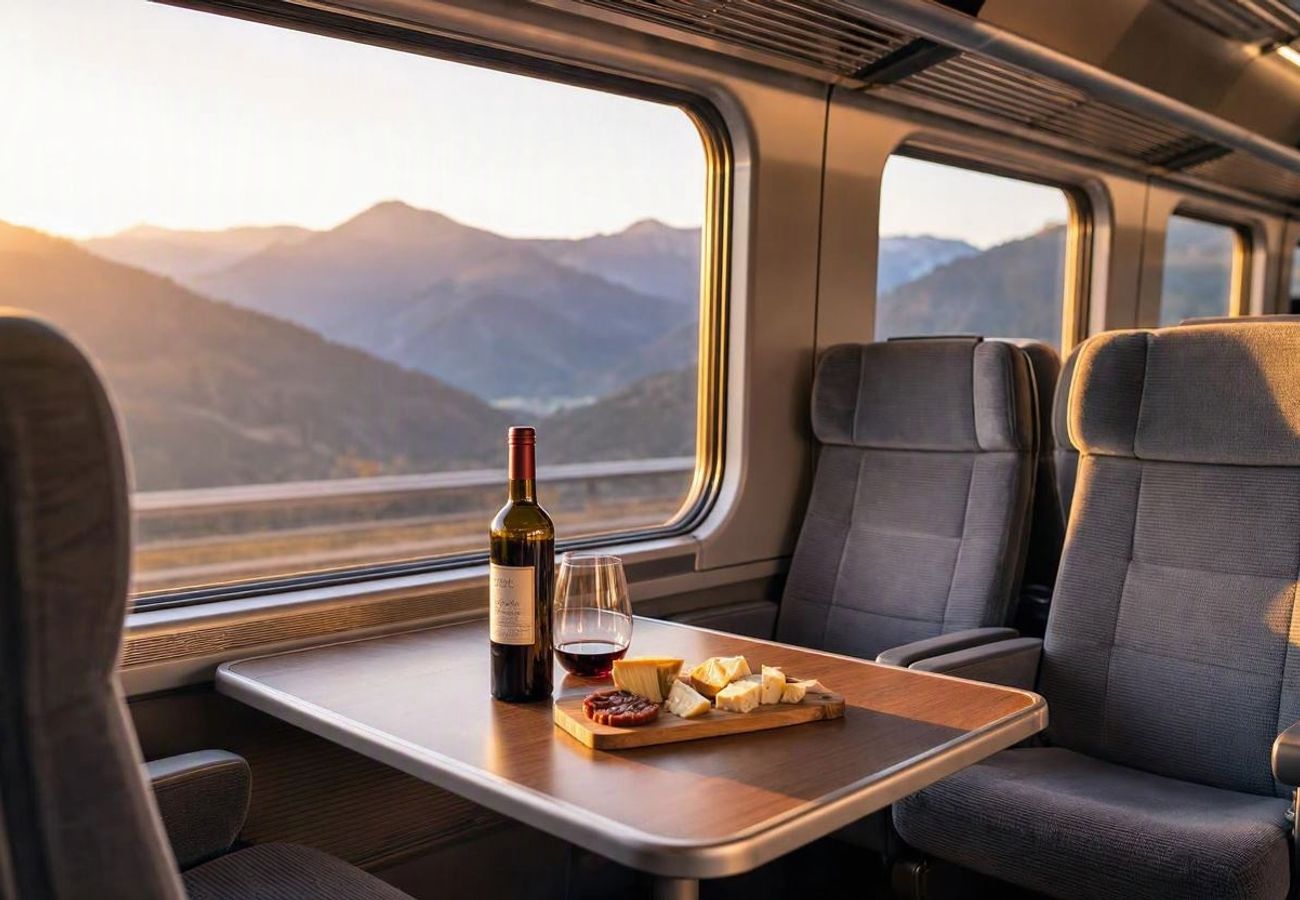
Image generated by AI
For decades, the border between Spain and France was a logistical nightmare for rail travelers, often requiring cumbersome locomotive changes or lengthy waits at frontier stations like Portbou and Hendaye. Now, that friction has vanished. A new multilateral agreement has synchronized the Iberian Peninsula with central European capitals, effectively erasing the "border effect" through unified ticketing and technical alignment of track systems.
The End of the Border Bottleneck
The current shift in European transit is not just about faster trains, but about the removal of systemic friction. Historically, the difference in track gauges and signaling systems between Spain and its neighbors forced passengers into tedious transfers. The 2026 integration utilizes multi-system electrical trainsets and interoperable safety signaling, allowing a single train to glide across international jurisdictions without stopping for engine swaps.
This coordination between Spain, France, and other continental partners means that the journey from Madrid to Paris or Barcelona to Lyon is no longer a puzzle of multiple bookings and disparate schedules. By sharing real-time tracking data and unifying station management, the network has transformed the overland experience into a legitimate, low-stress alternative to short-haul flights. For those planning a trip, the Official Spain Tourism portal and France's national tourism site now reflect these streamlined connections.
Western Europe Transit Comparison
The new corridors prioritize both speed and scenic value, offering a range of services from rapid city-to-city sprints to overnight luxury.
| Route Corridor | Connecting Countries | Average Journey Time | Service Frequency | Primary Travel Benefit |
|---|---|---|---|---|
| Madrid to Paris Express | Spain, France | 9 hours 45 minutes | 3 daily direct services | Zero intermediate luggage re-checks |
| Barcelona to Lyon Intercity | Spain, France | 5 hours | 4 daily direct services | Direct city-centre station arrival |
| Mediterranean Coastline Link | Spain, France, Italy | 11 hours 15 minutes | 2 daily direct services | Panoramic scenic coastal transit |
| Iberian Atlantic Connector | Spain, France, Belgium | 13 hours 30 minutes | Daily overnight service | Optimised overnight sleeper berths |
| Central European Hub Line | Spain, France, Germany | 14 hours 20 minutes | 2 daily services | Integrated single-ticket verification |
Visitor Insider Tips
To make the most of this new network, avoid the common mistakes of the casual tourist:
- The "Secondary City" Strategy: While Paris and Madrid are the hubs, the real value lies in the intermediate stops. Use the high-speed lines to reach provincial centers in southern France or northern Spain. These towns offer authentic gastronomy and fewer crowds than the capitals.
- Booking Hack: Use the new unified digital portal for all segments. Booking separate tickets via national carriers can lead to gaps in passenger protection if a train is delayed. A single-transaction itinerary guarantees automatic rebooking.
- Dining Etiquette: The updated dining cars now source produce from the regions the train is currently traversing. Instead of standard cafeteria food, look for the "Regional Special" menu to taste local cheeses and wines from the specific province you are crossing.
- Luggage Logistics: Take advantage of the unified luggage policies. Since there are no longer mid-journey re-checks at the border, you can move from your hotel in Barcelona to your hotel in Paris without ever touching your bags at a customs outpost.
Cultural and Environmental Context
This rail expansion is a direct response to the European push for decarbonization. Moving from a short-haul flight to an electrified rail line reduces a passenger's carbon footprint by up to 85%. This is not just a convenience for the traveler; it is a necessity for the preservation of the very landscapes people travel to see.
Furthermore, the "decentralization" of tourism is a key social goal. By making provincial towns accessible via high-speed rail, the economic benefits of tourism are spread away from congested city centers. This supports family-owned boutique hotels and traditional craftsmen in rural areas, ensuring that heritage preservation is funded by sustainable visitor spending rather than government subsidies alone. For more on how these routes protect heritage, visit the UNESCO World Heritage Centre.
FAQ: Visiting Spain and France 2026
What is the best way to book these cross-border trains? Use the unified multilateral booking portal. It allows for a single transaction across multiple countries, handles currency conversion automatically, and provides integrated passenger protection for delays.
Do I need a visa to travel between Spain and France? For most international travelers, the Schengen Area rules apply. If you have a valid visa for one Schengen country, you can generally travel freely between Spain and France. Check your specific passport requirements.
How do these trains compare to flying in terms of time? While a flight is shorter in the air, rail eliminates the 3-hour pre-flight arrival, security lines, and the expensive transit from peripheral airports to city centers, making the total "door-to-door" time competitive.
Is the rail network safe for solo travelers? Yes. The new high-speed trains feature dedicated quiet zones, high-speed digital access, and multilingual staff at major termini to assist with itinerary guidance.
The era of the border-crossing headache is over; the continent is finally open.
Related Travel Guides
Disclaimer
This article is for informational and educational purposes only. It does not constitute legal, financial, or professional advice. While we strive to provide accurate and up-to-date information, travel policies, regulations, and conditions change rapidly. Always verify information with official sources before making travel decisions. Nomad Lawyer makes no representations about the accuracy, reliability, completeness, or suitability of the information provided. Readers should consult qualified professionals for advice specific to their circumstances. The views expressed in this article are those of the author and do not necessarily reflect the views of Nomad Lawyer.
Preeti Gunjan
Contributor & Community Manager
A passionate traveller and community builder. Preeti helps grow the Nomad Lawyer community, fostering engagement and bringing the reader experience to life.
Learn more about our team →