
Malaysia Airlines Upgrades Kuala Lumpur to Brisbane Route to Daily Airbus A330neo Service in 2026
Malaysia Airlines is enhancing its Australian network by deploying the Airbus A330neo on daily flights between Kuala Lumpur and Brisbane, boosting premium capacity and fuel efficiency.

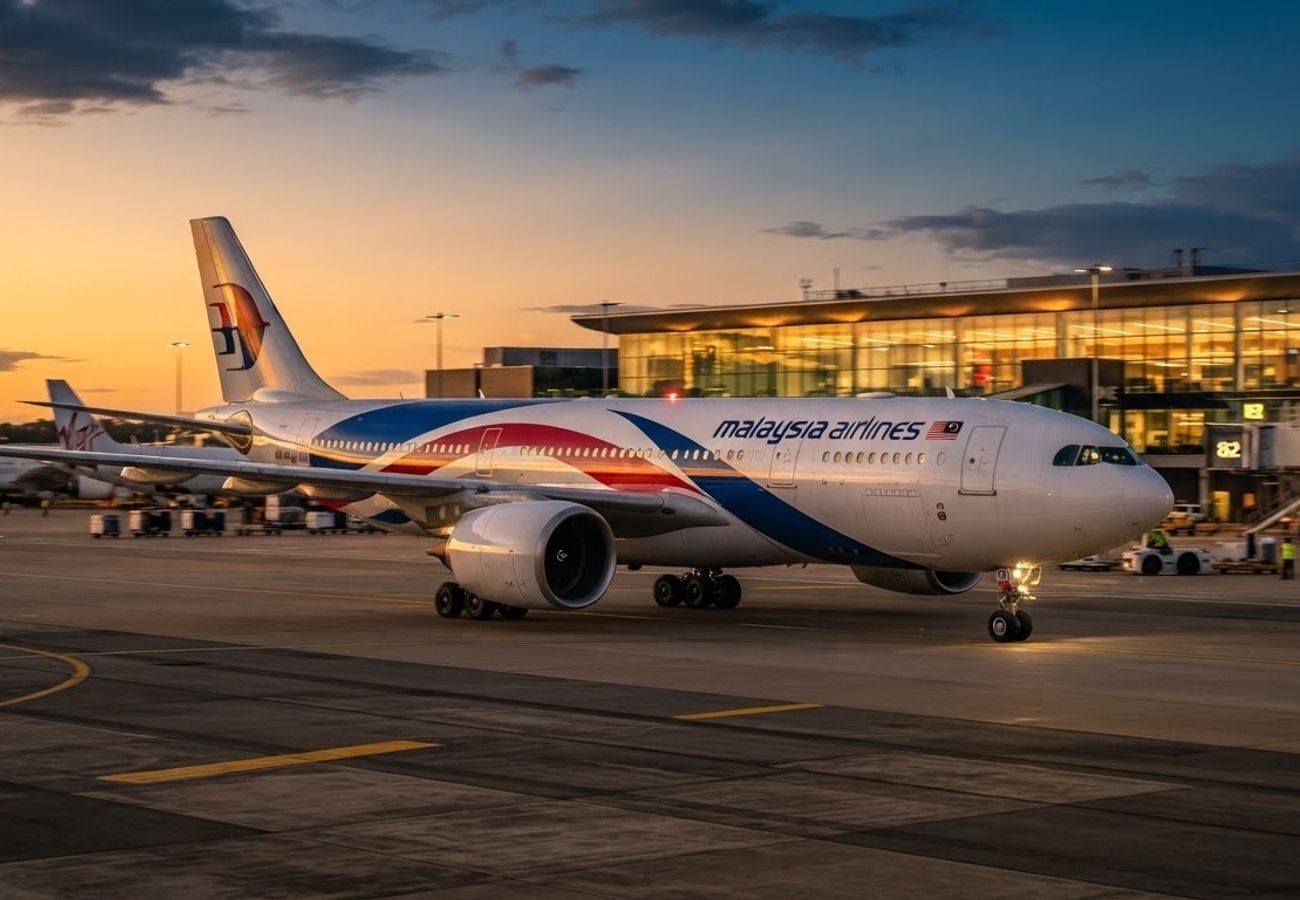
Image generated by AI
Malaysia Airlines is transitioning its Kuala Lumpur–Brisbane flight path to a daily schedule operated by the advanced Airbus A330-900neo, significantly increasing premium seating and modernizing the carrier's presence in Queensland.
The move represents a strategic shift in the airline's Australasia operations, moving away from older aircraft to a more efficient, passenger-centric fleet. By upgrading to a daily frequency with the A330neo, the carrier is responding to a surge in demand between Malaysia and Australia, ensuring that Brisbane remains a cornerstone of its long-haul network.
Strengthening the Queensland Connection via Daily Service
Flight tracking data and industry schedules confirm that Malaysia Airlines is now utilizing the Airbus A330-900neo for its daily rotations between Kuala Lumpur and Brisbane. This transition follows a successful period of stabilization where the route was initially reinstated using A330-300 aircraft. The shift to a daily pattern indicates that the market has matured sufficiently to support maximum frequency.
The scheduling remains optimized for convenience, featuring overnight departures from Kuala Lumpur and morning arrivals in Brisbane. This allows passengers to maximize their time upon arrival in Queensland. Conversely, the return legs are scheduled as daytime flights, facilitating easier connections for those heading back to Malaysia or onward to other destinations in Southeast Asia, North Asia, and Europe.
This is not a temporary seasonal adjustment. Rather, it is a structural upgrade to the route's capacity, placing Brisbane on equal footing with other major Australian gateways like Melbourne and Sydney.
From Route Suspension to Strategic Growth
The journey back to Brisbane has not been linear. Malaysia Airlines previously exited the Queensland market as part of a broader corporate restructuring and route rationalization strategy. During that period, the airline focused exclusively on the highest-yielding Australian cities, leaving a gap in direct connectivity for Queensland travelers who were forced to transit through other Australian hubs or competing Asian gateways.
The return to Brisbane began in 2025, initially starting with five weekly flights. This tentative relaunch was driven by a measurable increase in outbound travel from Australia and a rise in inbound tourism to Queensland. The decision to move to a daily A330neo service in 2026 suggests that the airline no longer views Brisbane as a trial market, but as a long-term strategic asset.
By increasing frequency to seven days a week, the carrier provides essential flexibility for corporate travelers and leisure tourists alike. Furthermore, the deployment of the A330neo improves the unit economics of the approximately eight-hour flight, making the route more sustainable and profitable for the airline.
Technical Advantages of the Airbus A330neo Fleet
The integration of the Airbus A330-900neo is a pillar of the Malaysia Aviation Group’s wider fleet modernization initiative. These aircraft are replacing the aging A330-200 and A330-300 models, bringing significant improvements in both operational costs and passenger comfort.
From a technical standpoint, the A330neo offers a substantial reduction in fuel burn, which is critical for maintaining competitive pricing on long-haul sectors. For the airline, the commonality between the neo and previous Airbus widebodies ensures that pilot training and maintenance protocols remain streamlined, allowing for agile aircraft deployment across the network.
For the passenger, the upgrades are tangible:
- Business Class: A redesigned cabin featuring direct aisle access for every seat, eliminating the "middle seat" frustration.
- Economy Class: Enhanced seating ergonomics and a modernized in-flight entertainment (IFE) system.
- Cabin Environment: The aircraft features advanced mood lighting and a noticeably quieter cabin, which is particularly beneficial for the overnight leg from Kuala Lumpur to Brisbane.
Expanding International Reach for Brisbane Airport
The presence of daily, next-generation widebody flights strengthens Brisbane’s position as a global hub. By providing a seamless one-stop connection via Kuala Lumpur, Queensland travelers now have streamlined access to a vast network of destinations across India, China, and Southeast Asia.
This development is a win for Brisbane Airport, which seeks to diversify its long-haul offerings beyond the traditional dominance of Gulf carriers and North Asian airlines. The upgraded product is specifically tailored to attract premium leisure travelers and small-to-medium enterprise (SME) business traffic that prefers a high-quality transit experience over longer, multi-stop journeys.
Tourism boards in both Malaysia and Australia are expected to see a positive impact. The increased seat capacity makes Queensland more accessible to Southeast Asian tourists, while Australian travelers gain a reliable, modern alternative for exploring the Asia-Pacific region.
Long-Term Vision for the Australasia Network
The upgrade in Brisbane is part of a multi-year rollout of the A330neo across the carrier's widebody fleet. Malaysia Airlines is systematically replacing older aircraft through the middle of the decade to ensure a uniform product across all long-haul markets.
Australia and New Zealand have been prioritized for these new aircraft due to the intense competition on these corridors. As more A330neo units are delivered, other regional routes are expected to follow the Brisbane model. This ensures that regardless of the destination, passengers experience a consistent level of luxury and efficiency.
By concentrating its newest assets on high-profile routes, Malaysia Airlines is reinforcing its core network and strengthening its ability to compete against both full-service regional carriers and the growing presence of long-haul low-cost operators in the Australian market.
The shift to daily A330neo service transforms the Kuala Lumpur-Brisbane corridor from a recovered route into a modern aviation powerhouse.
Related Travel Guides
Disclaimer
This article is for informational and educational purposes only. It does not constitute legal, financial, or professional advice. While we strive to provide accurate and up-to-date information, travel policies, regulations, and conditions change rapidly. Always verify information with official sources before making travel decisions. Nomad Lawyer makes no representations about the accuracy, reliability, completeness, or suitability of the information provided. Readers should consult qualified professionals for advice specific to their circumstances. The views expressed in this article are those of the author and do not necessarily reflect the views of Nomad Lawyer.
Preeti Gunjan
Contributor & Community Manager
A passionate traveller and community builder. Preeti helps grow the Nomad Lawyer community, fostering engagement and bringing the reader experience to life.
Learn more about our team →