
Western Cape Rail Revival 2026: Navigating Heritage Trains and Green Hydrogen Logistics
Explore the return of passenger rail to the Western Cape, from heritage journeys in the Garden Route to the reality of South Africa's green hydrogen strategy.
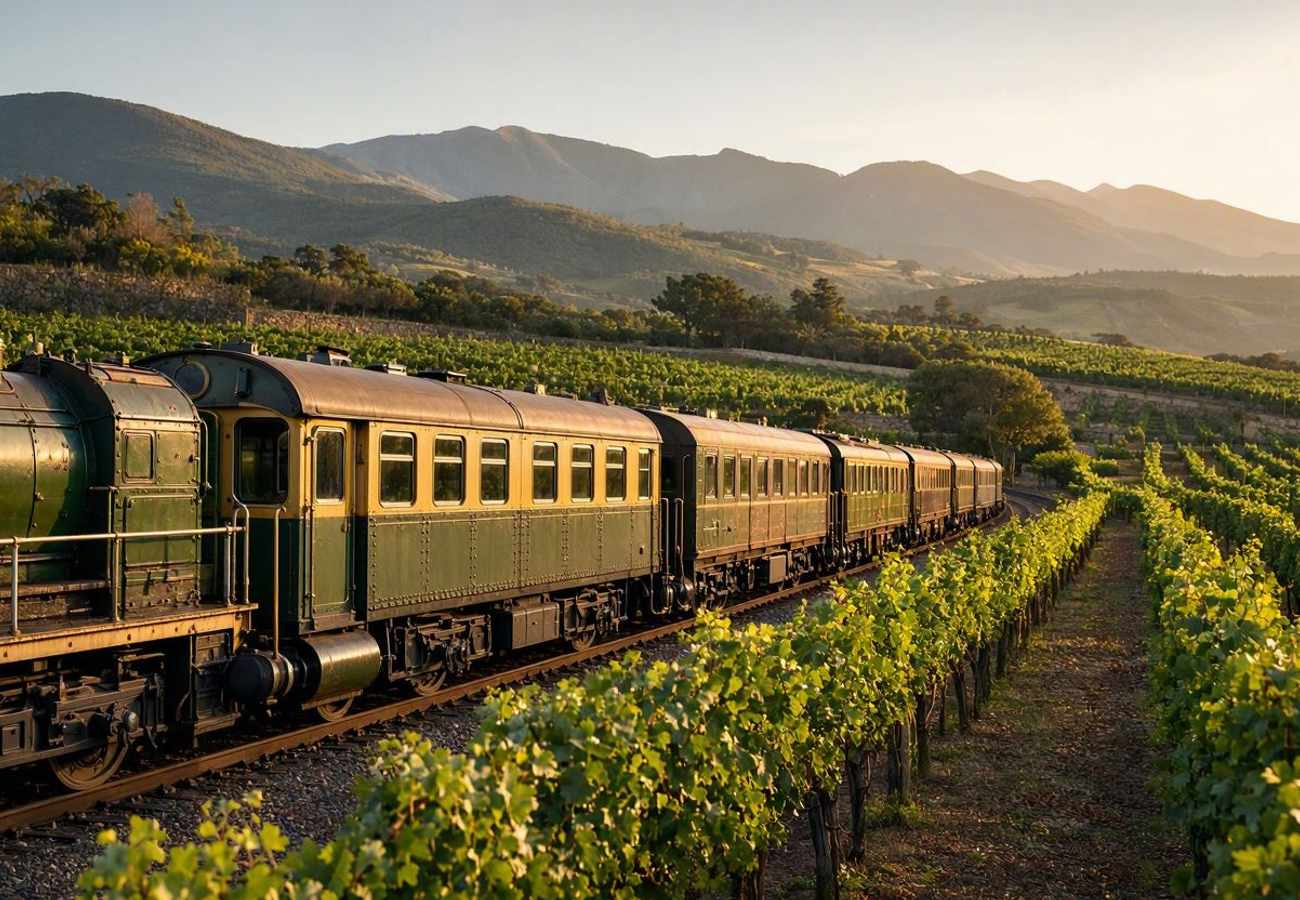
Image generated by AI
Are you planning a trip to the Western Cape and seeing reports of a new hydrogen-powered train to Franschhoek? Before you book your itinerary, you need to distinguish between national energy policy and actual passenger services. While South Africa is aggressively pursuing a green-hydrogen economy, there is currently no "Cape Zero Express" or hydrogen passenger service operating between Cape Town and the Winelands. However, a genuine rail revival is happening via heritage services and the return of passenger lines to the Garden Route.
The State of Rail and Energy in Western Cape
The current transport landscape in the Western Cape is split between two distinct trajectories: industrial energy innovation and the restoration of tourist rail. In September 2026, the South African government initiated the first phase of its Green Hydrogen Commercialisation Strategy, launching six priority projects. These are focused on industrial decarbonization and sustainable fuels rather than consumer transit. A primary hub for this is Saldanha Bay, where construction on electro-sustainable aviation fuel facilities is slated for 2027.
Simultaneously, the province is seeing a resurgence in "slow travel." This movement prioritizes scenery and heritage over speed, utilizing vintage rolling stock to connect tourists with the region's vineyards and coastlines. This shift is particularly timely given that the Franschhoek Pass has been closed indefinitely since May 2026 due to severe storm damage and bridge failure, making rail-based alternatives more attractive for those visiting the interior.
Current Rail Route and Service Details
For travelers looking to utilize rail in the Western Cape, the options are currently limited to heritage and specific regional corridors rather than a comprehensive intercity network.
| Route / Service | Operator | Frequency | Capacity | Status |
|---|---|---|---|---|
| George to Great Brak River | Ceres Rail Company | Weekends | ~350 passengers | Active (High Demand) |
| Cape Town to Elgin/Darling | Cape Rail Company | Scheduled | Variable | Active |
| Franschhoek Wine Tram | Local Operator | Daily | Variable | Active (Local Only) |
| Cape Town to Franschhoek | N/A | N/A | N/A | Non-Existent |
Traveler Logistics Guide
If you are integrating these rail experiences into your South African itinerary, follow these practical steps to ensure a smooth connection.
1. Booking Heritage Journeys Services like the George to Great Brak River route are seeing extreme demand; initial 2026 services sold out immediately. I recommend booking through the Western Cape Government official portals or directly with the operator at least 60 days in advance.
2. Navigating the Winelands Do not attempt to book a train from Cape Town to Franschhoek. To visit the valley, use the Franschhoek Wine Tram. Note that this is a localized tourism attraction designed for hopping between estates, not a transit system for arriving from the city.
3. Ground Transport Alternatives With the Franschhoek Pass closed, road travel times have increased. If you are not using the Wine Tram within the valley, ensure your private transfer or rental car route is updated to avoid the closed pass. Check current road statuses via the South African National Roads Agency (SANRAL).
4. Baggage and Transit Heritage trains typically do not have the extensive luggage infrastructure of high-speed rail. Travel light or arrange for luggage transfers between your hotels in Cape Town and the Garden Route.
Regional Connectivity Impact
The revival of rail is a strategic move to diversify the Western Cape's tourism offering. In 2025, the region saw 1.5 million international arrivals, representing an 11.1% increase, which generated approximately R26 billion in spending. By shifting focus toward "slow travel," the province is encouraging visitors to spend more time in rural hubs like Matjiesfontein and Darling.
While the hydrogen projects in Saldanha Bay will not provide you with a train ticket today, they signal a long-term shift toward sustainable infrastructure. For now, the "revival" is about nostalgia and scenery. The return of the George-Brak River line after a 16-year hiatus proves there is a viable market for rail as both a tourist attraction and an affordable transport alternative for locals.
FAQ: Western Cape Rail 2026
Is there a hydrogen train from Cape Town to Franschhoek? No. Despite social media claims, there is no "Cape Zero Express." Green hydrogen projects in South Africa are currently focused on industrial use and aviation fuel in Saldanha Bay, not passenger rail.
How do I get to the Garden Route rail service? The Ceres Rail Company operates journeys between George and Great Brak River. These are weekend-only services with limited capacity; advance booking is mandatory.
Can I use the Franschhoek Wine Tram to get from Cape Town? No. The Wine Tram is a local experience for visiting vineyards within the Franschhoek valley. You must arrange separate transport from Cape Town to reach the tram starting point.
Is the Franschhoek Pass open for rental cars? No. The pass has been closed indefinitely since May 2026 due to storm damage and bridge failure. Use alternative routes as advised by local authorities.
Avoid the hype of the hydrogen express and embrace the charm of the vintage rail.
Related Travel Guides
Disclaimer
This article is for informational and educational purposes only. It does not constitute legal, financial, or professional advice. While we strive to provide accurate and up-to-date information, travel policies, regulations, and conditions change rapidly. Always verify information with official sources before making travel decisions. Nomad Lawyer makes no representations about the accuracy, reliability, completeness, or suitability of the information provided. Readers should consult qualified professionals for advice specific to their circumstances. The views expressed in this article are those of the author and do not necessarily reflect the views of Nomad Lawyer.
Naina Thakur
Contributor & Travel Specialist
Travel enthusiast and legal writer covering visa regulations, responsible tourism, and cultural journeys across global destinations.
Learn more about our team →