
Spain and France Lead Europe's 2026 Agricultural Shift: A Guide to Seasonal Harvest Tourism
Spain and France are reshaping the global food map in 2026, dominating EU vegetable and cereal production while driving a surge in farm-to-table cultural tourism.
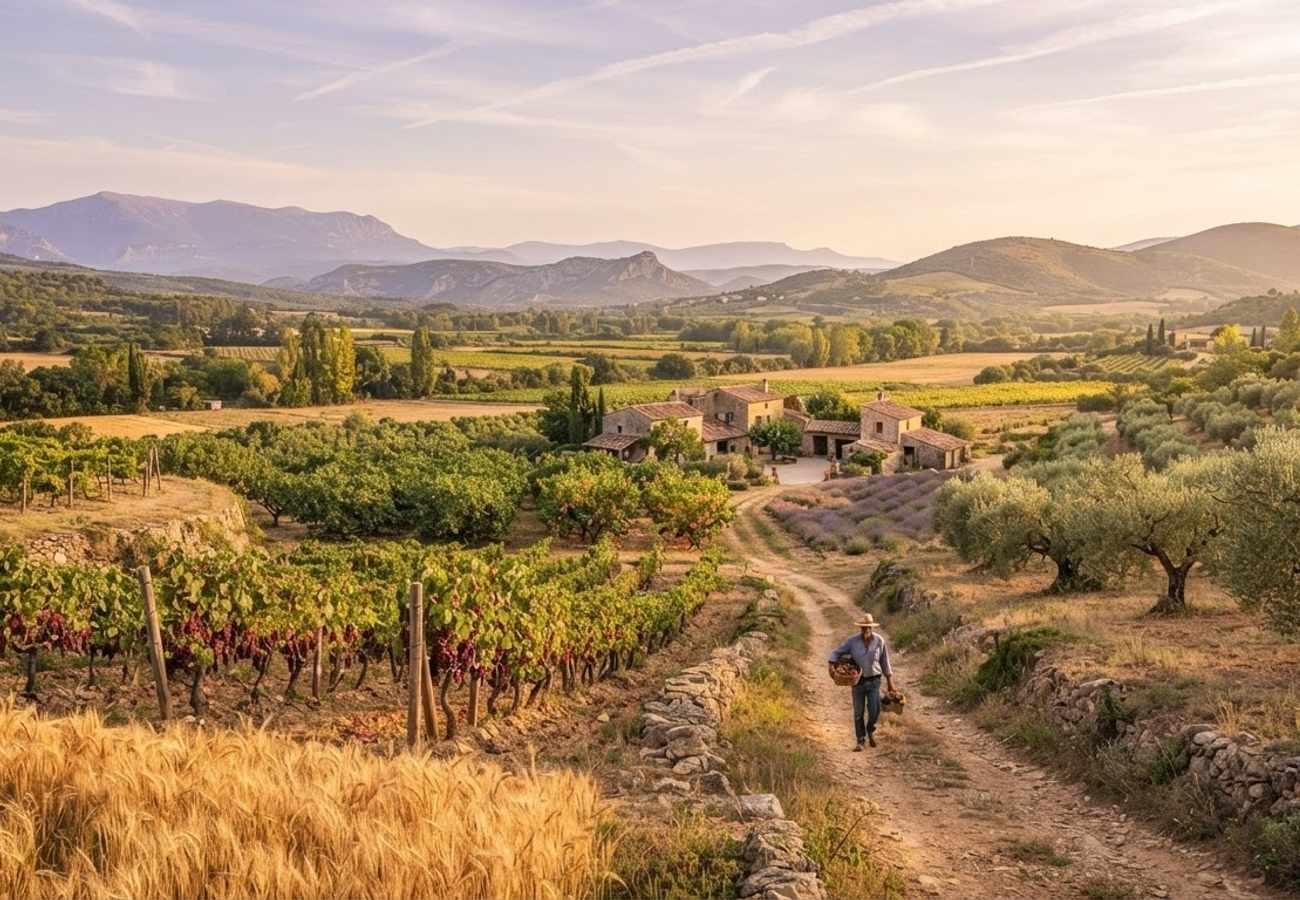
Image generated by AI
Spain currently controls 23.8% of EU vegetable production, while Italy leads fruit and nut output at 27.8%, turning the European countryside into a prime destination for culinary nomads.
The Shift Toward Agritourism and Seasonal Migration
Europe is experiencing a pivot in how travelers interact with the land. No longer just about visiting monuments, the modern traveler is following the "agricultural calendar." From the temperate orchards of Poland to the sun-drenched plains of Andalusia, the 2026 harvest season is redefining the regional food map.
The trend is driven by a desire for authenticity. France and Spain have emerged as the primary anchors of this movement. France leverages its diverse climatic zones to maintain a near-constant cycle of produce, while Spain utilizes its extended growing seasons to dominate the vegetable market. This shift is transforming ordinary trips into "meaningful experiences," where the destination is defined by what is being picked from the earth at that exact moment.
Regional Production Powerhouses: 2026 Data
The scale of production in 2026 underscores why these regions are the epicenter of European gastronomy. The following data highlights the dominant players in the current agricultural cycle:
| Leading Country | 2026 Official Production Indicator | Key Harvest Strength | Strategic Impact |
|---|---|---|---|
| Spain | 23.8% of EU vegetable production | Vegetables, fruit, and nuts | Europe’s primary vegetable hub |
| Italy | 27.8% of EU fruit, berries, and nuts production | Fruit, berries, nuts, and vegetables | Europe’s leading fruit producer |
| France | 20.8% of EU cereals and rice production | Cereals, fruit, and vegetables | Multi-seasonal agricultural power |
| Poland | 3.4m tonnes tree fruit; 458,000 tonnes berries | Apples, berries, and vegetables | Temperate fruit and berry specialist |
| Greece | 7.1% of EU fruit, berries, and nuts production | Mediterranean fruit | Southern European fruit anchor |
| Austria | 350,152 tonnes fruit; 726,842 tonnes vegetables | Apples, vegetables, and orchard crops | Central European seasonal hub |
Cultural & Environmental Value: Beyond the Plate
For the visitor, the real impact of these harvests is the connection to regional heritage. In Slovenia, the Ministry of Agriculture has actively promoted the consumption of spring produce—such as radicchio, chard, and young onions—to reconnect urban populations with the farming calendar. This is not merely about nutrition; it is a conservation effort to preserve traditional farming methods against the tide of industrial agriculture.
The environmental value lies in the reduction of "food miles." By aligning travel with the harvest—visiting France for strawberries from March to July or Italy for melons in June and July—travelers directly support local economies and reduce the carbon footprint associated with imported produce. This synergy between tourism and agriculture ensures that rural communities remain viable and that ancestral farming techniques are passed down to new generations.
Visitor Insider Tips: Navigating the Harvest
To experience the harvest like a local, avoid the primary tourist hubs and head toward the regional markets (marchés in France, mercados in Spain).
- The Spring Window: Target Slovenia and Northern Italy in early spring for the first asparagus and radishes. This is the "wake up" period of the European fields and offers the lightest, freshest produce of the year.
- Summer Peak: Visit the Mediterranean south in July and August. This is the prime window for peaches, nectarines, and figs in France, and cherries and apricots in Spain.
- Etiquette: When visiting farms, always ask for permission before entering fields. Many European farms operate on a "direct-to-consumer" model; buying directly from the farmer is not only preferred but often results in better quality produce.
- Hidden Gem: Look for "Agriturismo" stays in Italy. These are working farms that provide lodging and meals made exclusively from the surrounding land, offering a first-hand look at the 27.8% fruit production dominance of the region.
Tourism Outlook: The Future of the Food Map
The long-term impact of this agricultural dominance is a move toward "Slow Travel." As Spain and France continue to lead in production, we expect to see an increase in curated "harvest trails"—itineraries that move across borders following the ripening of specific crops.
The integration of official agricultural data into tourism planning suggests that the future of European travel will be dictated by the soil. By centering the experience around the 2026 production figures, destinations are moving away from generic tourism and toward a model of sustainable, heritage-based exploration.
Eating with the seasons is the most authentic way to map the soul of Europe.
Related Travel Guides
Disclaimer
This article is for informational and educational purposes only. It does not constitute legal, financial, or professional advice. While we strive to provide accurate and up-to-date information, travel policies, regulations, and conditions change rapidly. Always verify information with official sources before making travel decisions. Nomad Lawyer makes no representations about the accuracy, reliability, completeness, or suitability of the information provided. Readers should consult qualified professionals for advice specific to their circumstances. The views expressed in this article are those of the author and do not necessarily reflect the views of Nomad Lawyer.