
Spain and EU Join Luzon Economic Corridor: Infrastructure Leap to Transform Philippines Travel Across Subic, Clark, Manila, and Batangas

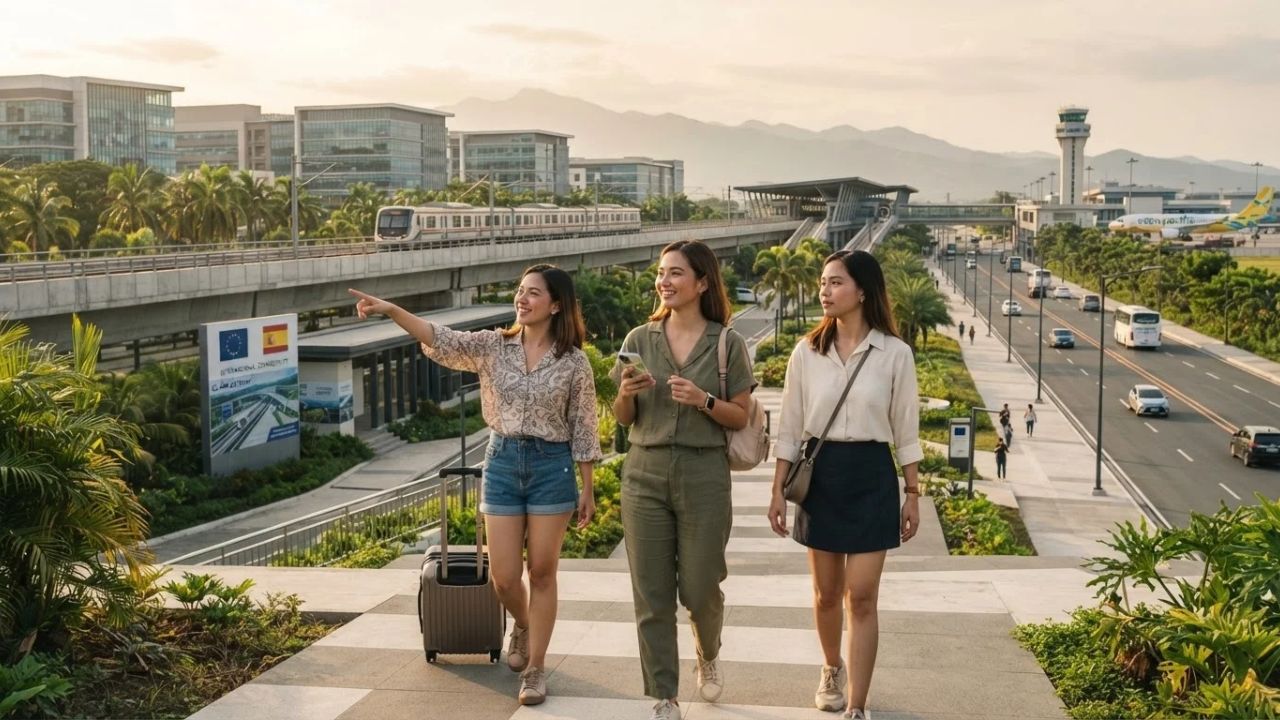
In a major geopolitical and infrastructural milestone for Southeast Asia, Spain and the European Union have officially joined the Luzon Economic Corridor (LEC), expanding the high-level international partnership to 13 global allies. Backed by around 600 international delegates at the Luzon Economic Corridor Investment Forum and championed by President Ferdinand Marcos Jr., the European entry injects world-class high-speed rail, air navigation, and renewable energy expertise into a multi-billion-dollar transit spine linking Subic Bay, Clark, Metro Manila, and Batangas.
The expansion transforms the corridor from an industrial logistics venture into an engine for regional tourism development. By modernizing cargo and passenger rail networks, upgrading digital smart-city systems, and streamlining transit between central Luzon’s aviation hubs and southern maritime diving reserves, the initiative provides travelers with seamless connectivity. Visitors will soon be able to bypass historical highway bottlenecks, transitioning effortlessly between metropolitan heritage districts, volcanic highlands, and world-renowned marine sanctuaries.
The Local Trend Revealed: A 13-Partner Coalition Reshaping Philippine Mobility
Launched in 2024 by the Philippines, the United States, and Japan under the G7’s Partnership for Global Infrastructure and Investment (PGI)—the first such corridor in the Indo-Pacific—the Luzon Economic Corridor has rapidly evolved into an expansive multinational coalition.
Prior to the European Union and Spain joining, the partnership incorporated key democratic allies including Australia, Canada, Denmark, France, Italy, South Korea, Sweden, and the United Kingdom. With Spain and the European Union bringing the alliance to 13 partners, the corridor commands unprecedented multilateral financing, technical engineering, and green-technology transfers.
The corridor’s geographic blueprint focuses on four interconnected regional powerhouses:
- Subic Bay: A premier deep-water maritime port and duty-free zone surrounded by protected coastal rainforests, historical naval shipwrecks, and indigenous eco-tourism reserves.
- Clark (Pampanga): The modern aviation, tech, and administrative capital of Central Luzon, anchored by the state-of-the-art Clark International Airport (CRK) and the master-planned New Clark City.
- Metro Manila: The nation’s historical, financial, and diplomatic center, undergoing transit modernization to reduce road congestion.
- Batangas: The industrial, clean energy, and international trade gateway of Southern Luzon, world-renowned for heritage architecture in Taal and premier coral reef biodiversity in Anilao.
By connecting these four hubs through modernized rail freeways, digital infrastructure, and renewable power grids, the corridor lays the foundation for frictionless regional tourism and business travel.
Strategic Dimensions of the Luzon Economic Corridor (LEC)
| Corridor Hub | Core Economic Function | Signature Tourism & Cultural Asset | Infrastructure Upgrade Under LEC |
|---|---|---|---|
| Subic Bay | Maritime logistics and ship repair | Rainforest trekking and WWII naval wreck diving | Intermodal freight rail link and eco-tourism port expansion |
| Clark Hub | Aviation, semiconductor tech, logistics | Kapampangan culinary heritage and New Clark City | High-speed passenger rail connection and airport terminal upgrades |
| Metro Manila | Commercial, financial, administrative core | Intramuros colonial heritage and National Museum | Subway transit integration and smart digital wayfinding systems |
| Batangas | Energy terminals and international trade | Anilao macro-diving and Taal heritage town | Port terminal expansion and South Commuter Railway connectivity |
| Partner Coalition | 13 international governments & blocs | Bilateral business, academic, and leisure travel | European green financing, Spanish rail and air navigation systems |
European and Spanish Technical Expertise: Rail, Aviation, and Green Energy
Spain’s entry into the partnership provides specialized engineering capabilities that directly benefit Philippine passenger transit.
As a global pioneer in high-speed rail networks (Alta Velocidad Española - AVE) and civil aviation management through entities like Indra and Ineco, Spain brings proven experience in building complex transit systems. Spanish engineering teams are expected to support feasibility, signaling, and construction management for the Subic–Clark Railway and the expansion of commuter rail links southward to Batangas. Furthermore, Spanish expertise in air navigation technology will help deconflict airspace across Clark International Airport and Manila's Ninoy Aquino International Airport, improving on-time flight performance for domestic and international carriers.
Concurrently, the European Union's participation aligns with the Global Gateway strategy, targeting clean energy transitions and digital connectivity. EU financing will accelerate the deployment of off-grid solar arrays, micro-hydro systems, and industrial wastewater treatment across the corridor, ensuring that rapid industrialization does not compromise fragile estuaries or coastal fishing waters.
Cultural & Environmental Value: Protecting Verde Island and Indigenous Heritage
Infrastructure investments under the Luzon Economic Corridor are designed to safeguard delicate ecological habitats and uplift marginalized rural communities.
Conserving the Verde Island Passage Marine Corridor
Batangas sits on the doorstep of the Verde Island Passage, recognized by marine biologists as the global "Center of the Center of Marine Shore Fish Biodiversity."
The influx of European sustainable infrastructure standards mandates rigorous environmental impact assessments on port expansions and industrial runoff. Spanish and EU environmental frameworks ensure that maritime traffic in Batangas Bay does not disrupt sensitive coral nurseries, sea turtle foraging beds, or artisanal fishing communities across Mabini and Tingloy.
Empowering Indigenous Aeta Communities in Subic and Clark
In the Bataan and Zambales mountain ranges surrounding Subic and Clark, ancestral lands are stewarded by the indigenous Aeta people.
The corridor’s eco-tourism development models partner directly with tribal councils, providing accredited training for Aeta guides who lead travelers through old-growth rainforests, demonstrating ancient jungle survival techniques, traditional herbal medicine, and wildlife tracking. Revenues from park access permits flow into community trusts, funding solar-powered water filtration systems and native-language schooling.
Visitor Insider Tips: Navigating the Corridor, Transit Secrets, and Culinary Highlights
For travelers exploring Luzon’s newly connected economic and tourism corridor, these specialist recommendations ensure a rich, hassle-free journey:
- Fly Direct to Clark (CRK) to Bypass Manila Traffic: Clark International Airport is an architectural marvel built with sustainable glulam wood beams inspired by Mount Arayat. If traveling to Central Luzon, Subic Bay, or the Cordillera mountains (Baguio, Sagada), book direct international flights into CRK. Terminal immigration takes under ten minutes, and immediate highway access onto the SCTEX expressway bypasses hours of notorious Metro Manila gridlock.
- Corridor Highway Transit Strategy:
- To travel between Clark and Subic Bay, use the Subic–Clark–Tarlac Expressway (SCTEX); the scenic drive takes approximately 45 minutes through dramatic volcanic mountain passes.
- To reach Batangas from Manila, take the Skyway Stage 3 to connect directly with the South Luzon Expressway (SLEX) and the Southern Tagalog Arterial Road (STAR Tollway), allowing you to reach coastal diving resorts in Anilao in under two and a half hours outside Friday evening rush hours.
- Best Travel Season: Visit between November and April during the Philippine dry season (Amihan), when clear blue skies, lower humidity, and calm sea conditions create ideal conditions for diving in Batangas and hiking in Subic. Avoid July through October, when southwest monsoon rains (Habagat) and tropical typhoons can disrupt inter-provincial highways.
- Must-Taste Regional Flavors Along the Corridor:
- Authentic Sisig in Pampanga: Savor the culinary capital of the Philippines. Visit Angeles City near Clark to taste original sizzling sisig—finely chopped pig's cheeks and chicken liver seasoned with calamansi citrus, onions, and spicy chili peppers, served on a searing iron plate without mayonnaise.
- Batangas Lomi and Bulalo: Stop in Batangas to savor bulalo—a hearty beef shank soup simmered for hours with bone marrow, sweet corn, and pechay cabbage—or enjoy a steaming bowl of thick, egg-noodle lomi topped with crispy chicharrón and pork liver.
- Kapeng Barako: Energize your morning with authentic Batangas Barako coffee, brewed from bold, fragrant Liberica beans grown in the rich volcanic soil surrounding Mount Makiling.
- Under-the-Radar Heritage Escapes:
- Taal Heritage Town (Batangas): Explore beautifully preserved 19th-century Spanish colonial ancestral homes (bahay na bato) and visit the Basilica of Saint Martin of Tours, the largest Catholic church building in Asia.
- Las Casas Filipinas de Acuzar (Bataan): Located an hour west of Subic, this heritage resort reconstructs restored Spanish-era heritage mansions rescued from across the archipelago along a coastal cobblestone canal.
Tourism Outlook: Transforming Luzon into Southeast Asia’s Premier Gateway
The entrance of Spain and the European Union into the Luzon Economic Corridor cements the Philippines’ position as a rising powerhouse for international trade, infrastructure, and sustainable tourism.
By bridging modern industrial logistics with accessible leisure routes across Subic, Clark, Manila, and Batangas, the 13-partner coalition demonstrates how forward-thinking infrastructure can enrich the visitor experience. As high-speed commuter railways, clean energy grids, and streamlined digital transit take shape, Luzon is positioned to offer international travelers a harmonious blend of metropolitan vitality, rich Spanish-Filipino heritage, and pristine marine biodiversity.
Related Travel Guides
Malaysia Airlines Signs Seven Asia-Pacific Tourism Pacts at MATTA Fair 2026 to Boost Regional Travel
Disclaimer
This article is for informational and educational purposes only. It does not constitute legal, financial, or professional advice. While we strive to provide accurate and up-to-date information, travel policies, regulations, and conditions change rapidly. Always verify information with official sources before making travel decisions. Nomad Lawyer makes no representations about the accuracy, reliability, completeness, or suitability of the information provided. Readers should consult qualified professionals for advice specific to their circumstances. The views expressed in this article are those of the author and do not necessarily reflect the views of Nomad Lawyer.
Raushan Kumar
Founder & Lead Developer
Full-stack developer with 11+ years of experience and a passionate traveller. Raushan built Nomad Lawyer from the ground up with a vision to create the best travel and law experience on the web.
Learn more about our team →