Malaysia Airlines Signs Seven Asia-Pacific Tourism Pacts at MATTA Fair 2026 to Boost Regional Travel

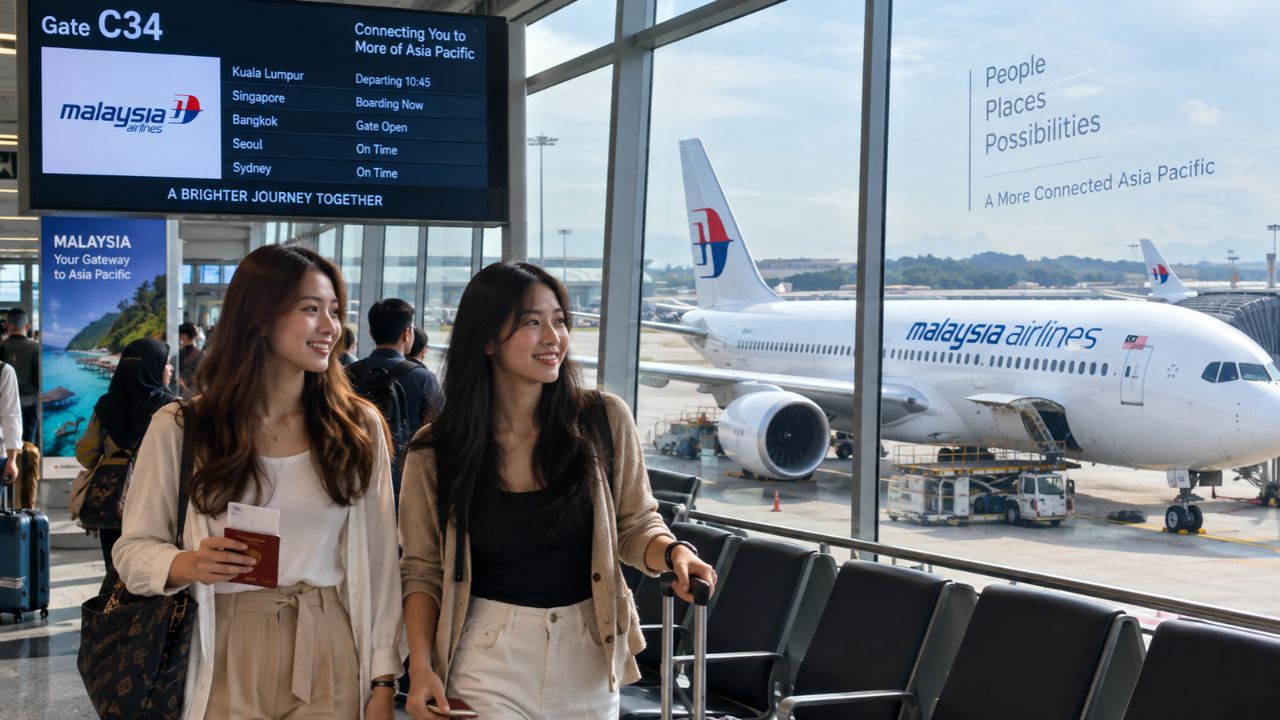
Accelerating regional tourism recovery and consolidating its Kuala Lumpur hub as the central crossroads of Asia-Pacific, Malaysia Airlines formalized and renewed seven strategic tourism agreements during MATTA Fair 2026 on September 13, 2026. Unveiled alongside the launch of the 'Destination Parade: Asia Pacific’s Largest Tourism Destination Show,' the cross-border pacts unite the national flag carrier with official tourism boards from Thailand, Indonesia, the Philippines, Taiwan, Singapore, South Korea, and Australia to launch synchronized marketing campaigns and reciprocal flight incentives.
The coordinated diplomatic and commercial offensive demonstrates an evolving model in international aviation, where airlines partner directly with sovereign tourism authorities to co-fund destination marketing rather than relying solely on organic ticket sales. By aligning promotional calendars, introducing joint loyalty perks, and supporting new flight corridors like its recently announced direct services to Busan, Malaysia Airlines is aggressively positioning Kuala Lumpur International Airport (KLIA) as the preferred intercontinental springboard linking Southeast Asia, East Asia, and Australasia.
The Local Trend Revealed: Seven Strategic Bilateral Alliances at MATTA Fair
Signed before thousands of travel trade buyers at MATTA Fair 2026 in Kuala Lumpur, the agreements establish multi-layered commercial frameworks tailored to regional market strengths.
Rather than executing generic branding campaigns, Malaysia Airlines and its partner government boards designed targeted initiatives focusing on mutual passenger exchanges, cultural tourism promotions, and flexible stopover bookings:
- Thailand (Tourism Authority of Thailand): A comprehensive one-year Memorandum of Understanding (MoU) focusing on bilateral overland and air links, encouraging Malaysian leisure seekers to explore emerging cultural provinces beyond Bangkok and Phuket.
- Indonesia (Ministry of Tourism): An expansive cooperative agreement designed to strengthen air corridors between Kuala Lumpur and secondary Indonesian destinations, enhancing connectivity across Sumatra, Java, and Bali.
- The Philippines (Philippines Department of Tourism): A one-year MoU centered on leisure travel promotions, highlighting island diving, coastal ecotourism, and regional festival circuits.
- Taiwan (Tourism Taiwan Administration): A one-year agreement supporting seasonal campaigns, wellness travel, and culinary discovery across Taipei, Taichung, and the scenic east coast.
- Singapore (Singapore Tourism Board): A milestone multi-tiered agreement featuring a three-year MoU alongside an active one-year strategic marketing pact that integrates joint loyalty promotions with Enrich, incentivizing cross-border weekend leisure and corporate travel.
- South Korea (Korea Tourism Organization): A strategic pact directly supporting Malaysia Airlines’ newly announced nonstop flights between Kuala Lumpur and Busan, introducing Malaysian travelers to South Korea's vibrant coastal maritime hub and film culture.
- Australia (Tourism Australia): A one-year Partnership Marketing Agreement designed to stimulate long-haul leisure travel and family visits across Sydney, Melbourne, Adelaide, and Perth.
These seven new and renewed pacts complement Malaysia Airlines' existing long-term collaborations with Tourism Malaysia and Tourism New Zealand, completing an expansive promotional umbrella spanning the entire Asia-Pacific basin.
Breakdown of Malaysia Airlines' 2026 Asia-Pacific Tourism Alliances
| Partner Country | Official Tourism Authority | Agreement Structure | Key Strategic Objective |
|---|---|---|---|
| Thailand | Tourism Authority of Thailand (TAT) | 1-Year MoU | Bilateral leisure growth and regional cultural exchange beyond major gateways |
| Indonesia | Indonesian Ministry of Tourism | Bilateral Framework | Accelerating cross-border connectivity and secondary island destination visibility |
| Philippines | Philippines Department of Tourism (DOT) | 1-Year MoU | Island eco-tourism promotions, leisure diving packages, and cultural holidays |
| Taiwan | Tourism Taiwan Administration | 1-Year Marketing Pact | Seasonal travel campaigns, cycling tourism, and culinary discovery |
| Singapore | Singapore Tourism Board (STB) | 3-Year MoU + 1-Year Agreement | Joint consumer promotions, corporate travel, and cross-platform loyalty rewards |
| South Korea | Korea Tourism Organization (KTO) | Strategic Partnership | Commercial route support for newly inaugurated Kuala Lumpur–Busan flights |
| Australia | Tourism Australia | 1-Year Marketing Agreement | Multi-city holiday packages and visiting-friends-and-relatives (VFR) demand |
| Regional Anchors | Tourism Malaysia & Tourism New Zealand | Ongoing Alliances | Domestic transit stopovers and trans-Tasman network connectivity |
The Gateway Strategy: Transforming KLIA Into a Regional Transit Hub
At the heart of Malaysia Airlines' multi-nation partnership strategy is the operational strength of its hub at Kuala Lumpur International Airport (KLIA Terminal 1).
Travelers can explore current flight schedules and loyalty rewards by visiting the official Malaysia Airlines website.
By securing direct marketing support from regional tourism boards, the airline provides seamless transit transfers for long-haul voyagers moving between East Asia, the Middle East, and Australia. A traveler flying from Sydney or Melbourne can connect smoothly in Kuala Lumpur toward Bangkok, Manila, or Taipei with minimal transfer times, avoiding congested third-party regional hubs.
To capitalize on this geographic advantage, Malaysia Airlines actively promotes its signature Bonus Side Trip program. The initiative allows long-haul international passengers transiting through Kuala Lumpur to add a complimentary domestic flight segment within Peninsular Malaysia or Malaysian Borneo—such as Penang, Langkawi, Kuching, or Kota Kinabalu—paying only nominal airport taxes. This program transforms routine flight connections into dual-destination cultural holidays, directly benefiting regional Malaysian hotel operators and artisan communities.
Cultural & Environmental Value: Promoting Heritage and Sustainable Transit
Aviation alliances play an active role in encouraging responsible travel habits and highlighting indigenous heritage across host destinations.
Preserving Regional Crafts and Community Ecotourism
Through its partnerships with authorities like the Tourism Authority of Thailand and the Philippines Department of Tourism, joint promotions spotlight community-based tourism (CBT) initiatives.
Marketing collateral directs travelers toward indigenous cultural villages, organic tea and spice farms, and ethical wildlife sanctuaries rather than concentrated urban shopping malls. In Malaysia, passengers are introduced to heritage crafts including traditional Kelantanese batik hand-printing and Sarawakian woodcarvings, ensuring that international traveler expenditures flow directly to rural artisans and family-run cooperatives.
For those planning a trip to the region, the Tourism Authority of Thailand provides comprehensive guides on emerging cultural provinces.
Environmental Stewardship in Fleet Operations
Malaysia Airlines continues to advance operational efficiency through fleet modernization, progressively deploying modern Airbus A330neo widebody aircraft equipped with advanced Rolls-Royce Trent 7000 engines. These next-generation aircraft achieve a 14 percent reduction in fuel burn per seat compared to older twin-aisle jets, substantially lowering the carbon intensity of medium-haul trunk flights connecting Kuala Lumpur with Seoul, Tokyo, Melbourne, and Sydney.
Visitor Insider Tips: KLIA Terminal Secrets, Stopover Hacks, and Cultural Etiquette
For travelers flying Malaysia Airlines across the Asia-Pacific network, these insider recommendations optimize transit comfort, loyalty rewards, and regional etiquette:
- Navigating KLIA Terminal 1 and the Golden Lounge:
- If transiting through KLIA with an international layover exceeding three hours, purchase access or utilize oneworld status to enter the Malaysia Airlines Golden Lounge in the Satellite Terminal. The lounge features private nap suites, quiet shower facilities, and an authentic live noodle station alongside a signature satay bar serving skewered chicken and beef flame-grilled over hot charcoal with rich peanut gravy.
- Allow sufficient transit time between the Main Terminal Building (domestic gates and immigration) and the Satellite Building (intercontinental departure gates), utilizing the high-capacity airside electric shuttle buses.
- Maximizing the Bonus Side Trip: When booking an intercontinental flight through Malaysia Airlines’ website, use the multi-city booking tool to incorporate the Bonus Side Trip. You can enjoy a four-day culinary stopover in UNESCO-listed George Town, Penang, or a beach getaway in Langkawi for virtually the same ticket price as a direct transit itinerary.
- Seasonal Climate Timing Across the Network:
- Monsoon Considerations: The East Coast of Peninsular Malaysia (Redang, Perhentian) experiences heavy monsoon rains from November through February. Conversely, west coast islands like Langkawi and Penang enjoy sunny weather during this period.
- Busan Service Timing: If utilizing the new direct flight to Busan, South Korea, plan visits in late March to early April for spectacular cherry blossom spectacles along Dalmaji-gil Hill, or in October for crisp autumn foliage and the famed Busan International Film Festival.
- Cultural Etiquette and Regional Courtesy:
- Right-Hand Custom: Across Malaysia and Indonesia, always use your right hand when giving or receiving money, documents, or food; the left hand is traditionally considered unclean.
- Modesty in Sacred Spaces: When visiting sacred cultural landmarks—such as Kuala Lumpur’s National Mosque (Masjid Negara), Bangkok’s Wat Phra Kaew, or Balinese Hindu temples—ensure shoulders and knees are fully covered. Robes or sarongs are often provided at temple entrances.
- Authentic Flavors to Sample in Transit:
- Nasi Lemak: Malaysia’s national comfort dish, featuring fragrant rice steamed in coconut milk and pandan leaves, accompanied by crispy fried anchovies (ikan bilis), toasted peanuts, hard-boiled egg, cooling cucumber slices, and spicy-sweet chili sambal.
- Teh Tarik: Savor a hot glass of "pulled tea," skillfully tossed between two stainless steel pitchers to create a frothy, caramel-sweet blend of strong black tea and condensed milk.
Tourism Outlook: Strengthening Asia-Pacific Connectivity Through Mutual Growth
Malaysia Airlines’ coordinated signing of seven major destination partnerships at MATTA Fair 2026 demonstrates clear strategic foresight. As travelers across the region demand richer cultural engagement, diverse itineraries, and greater value for their travel investments, airlines must build cooperative ecosystems that transcend traditional passenger-ticket transactions.
By uniting with tourism boards in Thailand, Indonesia, the Philippines, Taiwan, Singapore, South Korea, and Australia, Malaysia Airlines not only protects its competitive share against regional budget and full-service rivals, but also stimulates sustainable, two-way economic growth.
To learn more about regional travel regulations and aviation standards, visit the International Civil Aviation Organization (ICAO).
Supported by its modernizing fleet and the geographic convenience of Kuala Lumpur International Airport, the carrier stands firmly positioned as an indispensable gateway for travelers exploring the beauty, heritage, and dynamism of the Asia-Pacific region.
FAQ: Malaysia Airlines Signs Seven Asia-Pacific 2026
Which countries are included in the new Malaysia Airlines tourism pacts? The agreements include strategic partnerships with tourism boards from Thailand, Indonesia, the Philippines, Taiwan, Singapore, South Korea, and Australia to boost regional travel.
How will these agreements benefit travelers? Passengers can expect synchronized marketing campaigns, reciprocal flight incentives, joint loyalty perks via the Enrich program, and improved connectivity to secondary regional destinations.
Are there any new flight routes mentioned in the announcement? Yes, the strategic pacts support the expansion of the airline's network, specifically highlighting the introduction of new direct services to Busan, South Korea.
What is the goal of the 'Destination Parade' at MATTA Fair 2026? The 'Destination Parade' serves as Asia Pacific’s largest tourism destination show, designed to showcase diverse regional travel options and promote Kuala Lumpur as a central aviation hub.
Related Travel Guides
Malaysia Targets Russian Travelers with Direct Flights and Visa-Free Access via BRICS 2026
This article is for informational purposes. Flight routes, passenger regulations, visa rules, and transit advisories are subject to change by airlines and aviation authorities. Readers are advised to verify schedules and travel documentation with relevant carriers and border agencies before departure.
Related Stories

American Airlines Issues Profit Warning as Fuel Costs Surge: What It Means for 2027 International Travelers

Singapore Airlines 2026 Route Analysis: Jakarta Dominates as London and Bangkok Capacity Surges