Monterey Homeowners Face Surge in Copper Pipe Failures: Slab Leaks vs Pinhole Corrosion in 2026

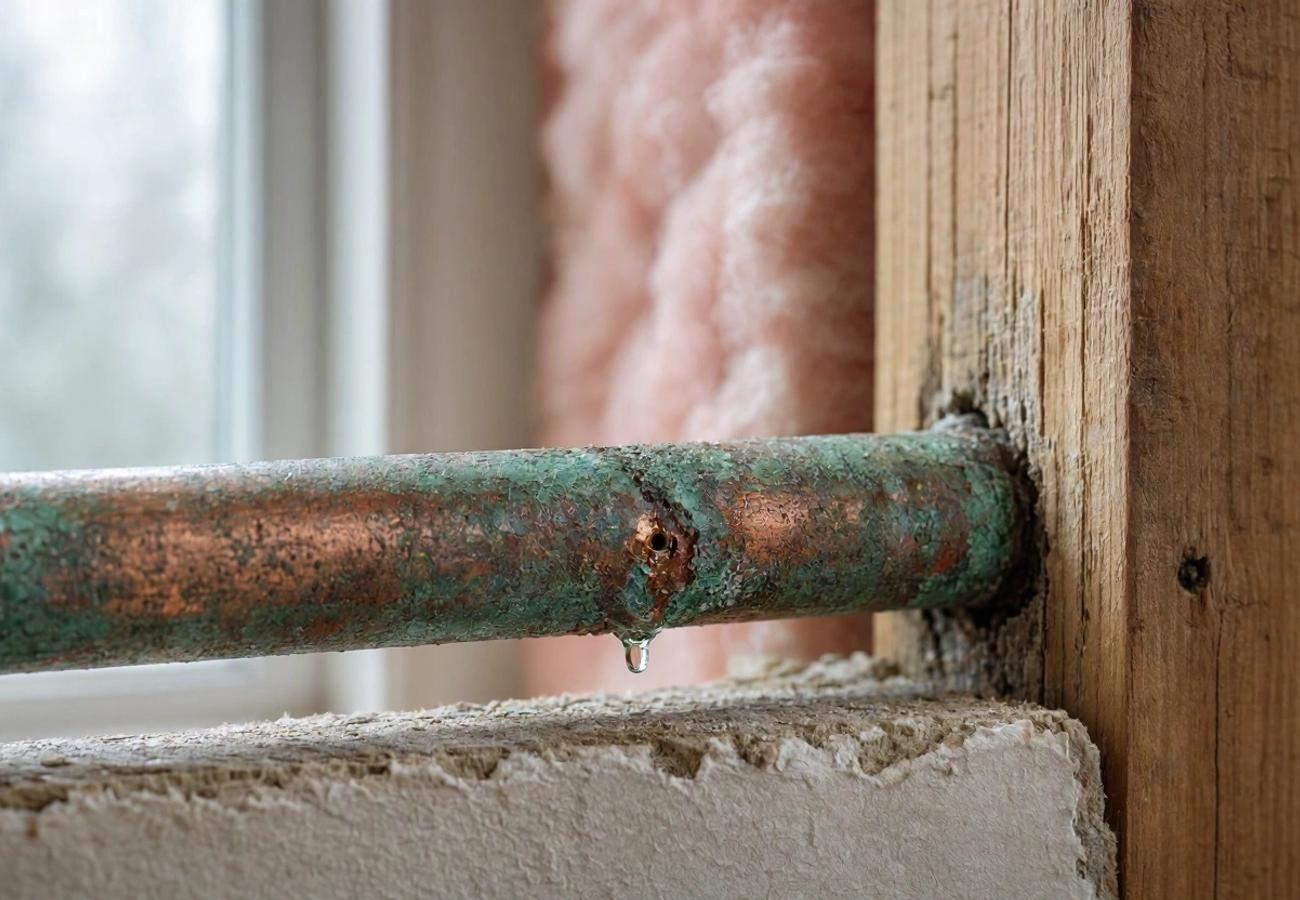
Image generated by AI
[Monterey, October 29, 2026] — Homeowners in the Monterey coastal region are reporting an increase in critical copper plumbing failures, specifically distinguishing between subsurface slab leaks and localized pinhole corrosion. The region's unique environmental conditions, characterized by high salt content in the air and shifting coastal soils, are accelerating the degradation of residential water systems.
These plumbing emergencies vary significantly in scope. While pinhole leaks typically manifest as small perforations in pipes located within walls or ceilings, slab leaks occur beneath the concrete foundation of the home. Failure to accurately diagnose the source of water intrusion can lead to structural instability, mold growth, and inflated utility costs.
Environmental Triggers for Pipe Failure
The geography of the Monterey Peninsula plays a direct role in the frequency of these failures. The salt-laden ocean air promotes pitting corrosion, a process where small, deep holes form in the copper piping. This is particularly prevalent in older residential installations where the protective interior lining of the pipe has worn thin.
Simultaneously, the soil composition beneath Monterey's slab-on-grade foundations can cause abrasion. As the ground shifts or reacts chemically with the exterior of the copper pipes, the metal wears down, leading to leaks that are hidden from view until significant damage has occurred. For those managing properties in California, adhering to the California Building Standards Code is essential to ensure that repairs meet current safety and material requirements.
Comparing Slab Leaks and Pinhole Failures
The primary difference between these two emergencies is the location of the breach and the subsequent risk to the property's integrity. Slab leaks are systemic threats that can undermine a home's foundation, whereas pinhole leaks are usually isolated failures.
| Feature | Slab Leak | Pinhole Leak |
|---|---|---|
| Location | Beneath the concrete foundation | Inside walls, ceilings, or exposed areas |
| Primary Cause | Soil shift, abrasion, chemical reactions | Internal corrosion, water chemistry, electrical currents |
| Warning Signs | Warm spots on tile, mold at baseboards, high water bills | Ceiling stains, drywall swelling, visible drips |
| Structural Risk | High (can destabilize foundation) | Low to Moderate (localized water damage) |
| Repair Complexity | High (may require slab penetration) | Low to Moderate (section replacement) |
What This Means for Homeowners
For residents currently experiencing symptoms of a leak, the impact ranges from minor cosmetic repairs to major structural interventions.
Immediate Passenger/Resident Impact:
- Utility Spikes: An unexplained jump in water bills is often the first indicator of a subsurface slab leak.
- Indoor Air Quality: Mold appearing along baseboards or in corners suggests water is migrating up from the foundation.
- Floor Temperature: Unexpected warm spots on tile or concrete floors often indicate a hot water line has breached beneath the slab.
- Wall Integrity: Bubbling paint or soft spots in drywall typically point toward pinhole leaks in copper piping located within the wall cavity.
Professional Diagnostic and Repair Protocols
Modern plumbing interventions in Monterey have moved away from "guess-and-dig" methods. Technicians now employ high-tech sensing equipment to minimize property destruction.
Diagnostic Tools:
- Electronic Leak Detection: Plumbers use acoustic sensors to listen for the specific frequency of pressurized water escaping under a concrete slab.
- Infrared Thermal Imaging: Thermal cameras detect temperature variances in walls, allowing technicians to find pinhole leaks without cutting into drywall.
- Moisture Meters: These devices quantify the saturation levels of building materials to track the path of the leak.
Repair Strategies: For pinhole leaks, the standard procedure is the removal of the compromised copper section and the installation of new fittings. If multiple pinholes are discovered, a full repiping of the home is often recommended to avoid a "whack-a-mole" scenario of recurring leaks.
Slab leak repairs are more complex. Options include "spot repairs," where the slab is broken to reach the pipe, or "rerouting," where the plumbing is moved to the walls or ceiling to bypass the foundation entirely. Epoxy pipe lining is also an option for sealing leaks from the inside without excavation. Homeowners should verify that any contractor is licensed through the California Contractors State License Board (CSLB) to ensure the work is bonded and insured.
FAQ: Monterey Plumbing Emergencies 2026
How do I know if I have a slab leak versus a pinhole leak? Slab leaks usually cause warm floors or mold at the base of walls. Pinhole leaks typically cause stains on ceilings or swelling in the drywall of interior walls.
Are copper pipes still recommended for Monterey homes? While copper is durable, the coastal salt air and local water chemistry can cause pitting. Many homeowners are now opting for PEX or other corrosion-resistant materials during repiping.
Can a slab leak cause my house to sink? Yes. Persistent leaks beneath a foundation can erode the supporting soil, leading to slab settlement or structural cracks in the home's frame.
How long does a typical pinhole leak repair take? Most localized pinhole repairs are completed within a few hours, as they only require accessing a small section of the wall and replacing a segment of pipe.
Rapid detection is the only way to prevent a minor pipe perforation from becoming a total foundation failure.
Related Travel Guides
This article is for informational purposes. Flight routes, passenger regulations, visa rules, and transit advisories are subject to change by airlines and aviation authorities. Readers are advised to verify schedules and travel documentation with relevant carriers and border agencies before departure.
Related Stories

South End Surf 'N Paddle Sunset Tours: Navigating Long Beach Island's 2026 Water Sports Market

Sri Lanka Inbound Tourism Surges as Jetstar Connects Melbourne to Colombo: Travel Dynamics and Local Guide