
Spain Aligns With Welcoming Traditions As Ten Charming Towns Invite Travellers Into Local Life
Spain Aligns With Welcoming Traditions As Ten Charming Towns Invite Travellers Into Local Life

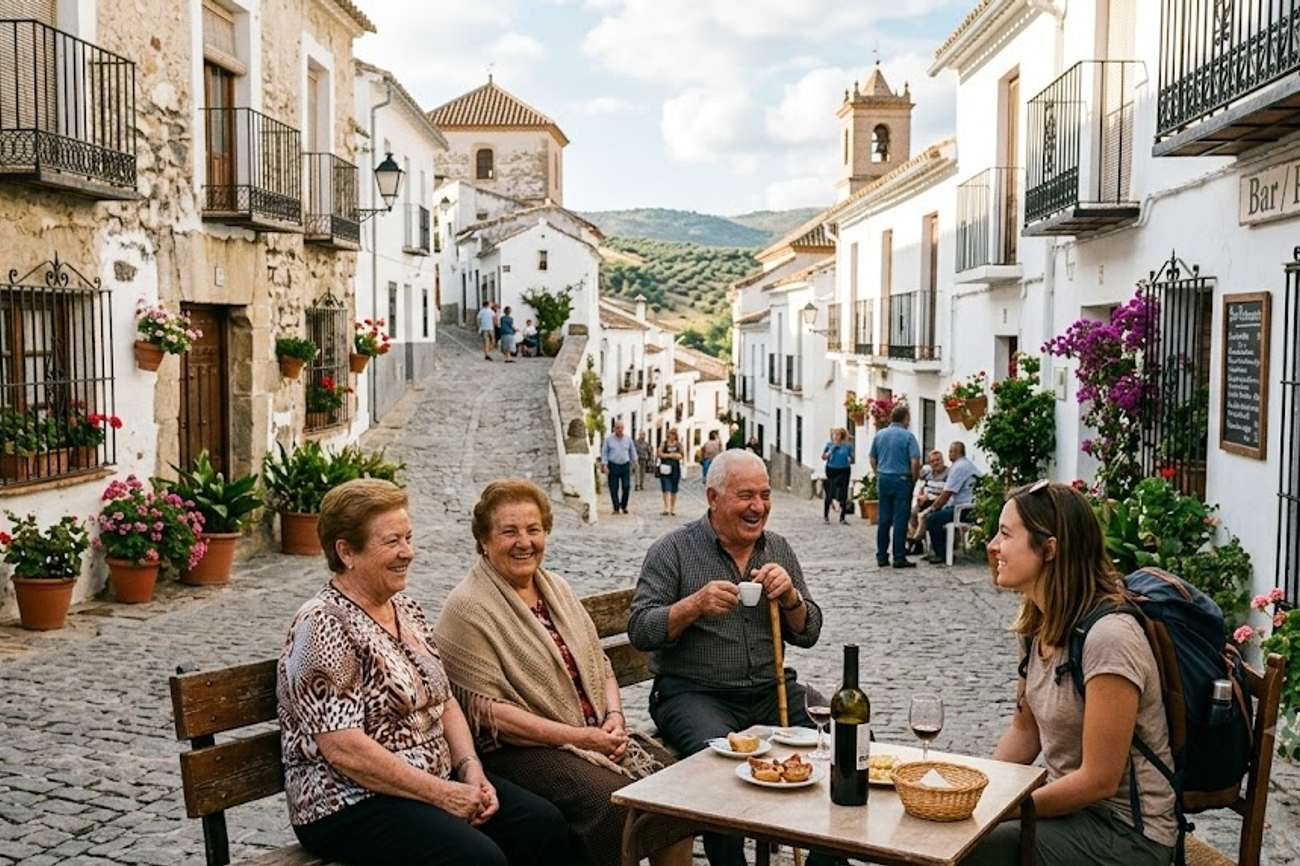
Image generated by AI
[Madrid, September 14, 2026] — Spain is pivoting its tourism strategy toward ten smaller, traditional communities to redirect traveler flow away from saturated urban centers and toward authentic regional life. This initiative emphasizes "slow travel," encouraging visitors to integrate into the daily rhythms of rural towns across the Basque Country, Asturias, Galicia, Castilla-La Mancha, La Rioja, and Aragón.
The movement seeks to leverage the inherent hospitality of Spain's smaller municipalities, where historic squares and pedestrian markets remain the primary drivers of social interaction. By highlighting destinations defined by fishing, viticulture, and performing arts, the campaign aims to transition the visitor experience from checklist-based sightseeing to immersive cultural participation.
The Shift Toward Rural Integration
The catalyst for this push is a growing demand for personalized travel experiences that bypass the crowds of Mediterranean resorts and major metropolitan hubs. Local authorities and tourism boards are now promoting a model where the "attraction" is not a monument, but the living community itself.
These ten towns have been selected based on their ability to maintain traditional public spaces—such as the Plaza Mayor or maritime districts—where social barriers between residents and tourists are minimal. The objective is to preserve regional customs while diversifying the economic benefits of tourism across the Spanish interior and northern coastlines.
Targeted Destinations and Regional Focus
The following locations are the primary focus of this hospitality-driven initiative, each offering a distinct cultural entry point:
| Destination | Region | Primary Cultural Driver | Key Landmark/Event |
|---|---|---|---|
| Hondarribia | Basque Country | Maritime & Gastronomy | La Marina District |
| Cudillero | Asturias | Coastal Fishing | Harbor Amphitheater |
| Cambados | Galicia | Viticulture (Albariño) | Festa do Albariño |
| Chinchón | Madrid (SE) | Traditional Social Life | Plaza Mayor |
| Haro | La Rioja | Wine Production | Batalla del Vino |
| Almagro | Castilla-La Mancha | Performing Arts | Corral de Comedias |
| Llanes | Asturias | Coastal Scenery | Local Markets |
What This Means for Travelers
For those booking trips to Spain, this shift signals a move away from the "resort bubble." Travelers should expect a different operational cadence in these towns compared to cities like Barcelona or Madrid.
Practical Implications:
- Dining Shifts: In towns like Hondarribia and Haro, the focus is on pintxos bars and informal tapas settings rather than structured fine dining. Travelers are encouraged to move between establishments, mirroring local social patterns.
- Transportation: These destinations are best explored on foot. The layout of towns like Cudillero, with its steep stairways and narrow alleys, makes traditional vehicle rentals less practical for inner-town navigation.
- Timing Your Visit: To experience the full impact of these communities, travelers should align their visits with regional festivals, such as the Festa do Albariño in Cambados or the Batalla del Vino in Haro, where the line between "tourist" and "participant" disappears.
- Accommodation: Expect a higher prevalence of small, family-run guest houses and traditional inns rather than international hotel chains.
Infrastructure and Regulatory Oversight
The promotion of these smaller hubs is supported by broader regional development goals. Travelers visiting these areas are encouraged to follow guidelines set by the Spain Official Tourism Portal to ensure sustainable interaction with local ecosystems.
In coastal regions like Asturias and Galicia, activities are monitored to ensure that increased foot traffic does not disrupt the fragile maritime economies. Visitors are advised to check local municipal ordinances regarding beach access and harbor activity to avoid conflicts with active fishing operations.
Furthermore, those traveling through the interior, such as to Almagro or Chinchón, may find that local business hours strictly adhere to the traditional siesta—a midday closure that is far more prevalent in these ten towns than in the 24-hour environments of major cities.
The Future of Spanish Regional Tourism
This initiative is viewed as a pilot for a wider national strategy to combat "overtourism" in primary hubs. By distributing the passenger load across the Basque Country and Castilla-La Mancha, the Spanish Ministry of Industry and Tourism aims to create a more resilient tourism economy.
The next phase of this rollout is expected to include integrated transport links that make these smaller towns more accessible to non-Spanish speakers, potentially through expanded regional rail or shuttle services connecting them to major airports. For now, the focus remains on the "unhurried pace," ensuring that the growth of these towns does not erase the very authenticity that makes them attractive.
FAQ: Spain Regional Travel 2026
Is it necessary to speak Spanish to visit these smaller towns? While English is common in major cities, basic Spanish is highly recommended for these ten towns. Much of the appeal is direct social interaction with locals in markets and cafés where English proficiency may be lower.
What is the best way to reach towns like Cudillero or Almagro? Renting a car is the most efficient method for accessing rural Spain. While some towns have bus connections, a private vehicle allows for the flexibility needed to navigate the diverse landscapes of Asturias and La Rioja.
Are these destinations suitable for luxury travelers? These towns prioritize authenticity over luxury. While you will find high-quality gastronomy and boutique heritage stays, you will not find the large-scale luxury resorts typical of the Costa del Sol.
When is the best time to visit for festivals? Festival dates vary by region. For example, the wine-centric celebrations in Haro and Cambados typically peak in late summer. Always check the local municipal calendar before booking.
Trade the crowds for the cobblestones.
Related Travel Guides
- Chinese Tourists in Europe Surge Earlier as Italy and France Capture Golden Week Demand
- Istanbul Steps Up With Izmir and More as Turkey Sees Cultural Tourism Surge Through Museums and Ancient Sites
- China’s Nanchang Boosts Night Tourism With A Stunning Ganjiang River Drone Show Creating A New Cultural Attraction
Disclaimer
This article is for informational and educational purposes only. It does not constitute legal, financial, or professional advice. While we strive to provide accurate and up-to-date information, travel policies, regulations, and conditions change rapidly. Always verify information with official sources before making travel decisions. Nomad Lawyer makes no representations about the accuracy, reliability, completeness, or suitability of the information provided. Readers should consult qualified professionals for advice specific to their circumstances. The views expressed in this article are those of the author and do not necessarily reflect the views of Nomad Lawyer.
Raushan Kumar
Founder & Lead Developer
Full-stack developer with 11+ years of experience and a passionate traveller. Raushan built Nomad Lawyer from the ground up with a vision to create the best travel and law experience on the web.
Learn more about our team →