
Spain Aligns With Europe As Renfe Raises Passenger Insurance Costs After Adamuz Crash
Spain Aligns With Europe As Renfe Raises Passenger Insurance Costs After Adamuz Crash

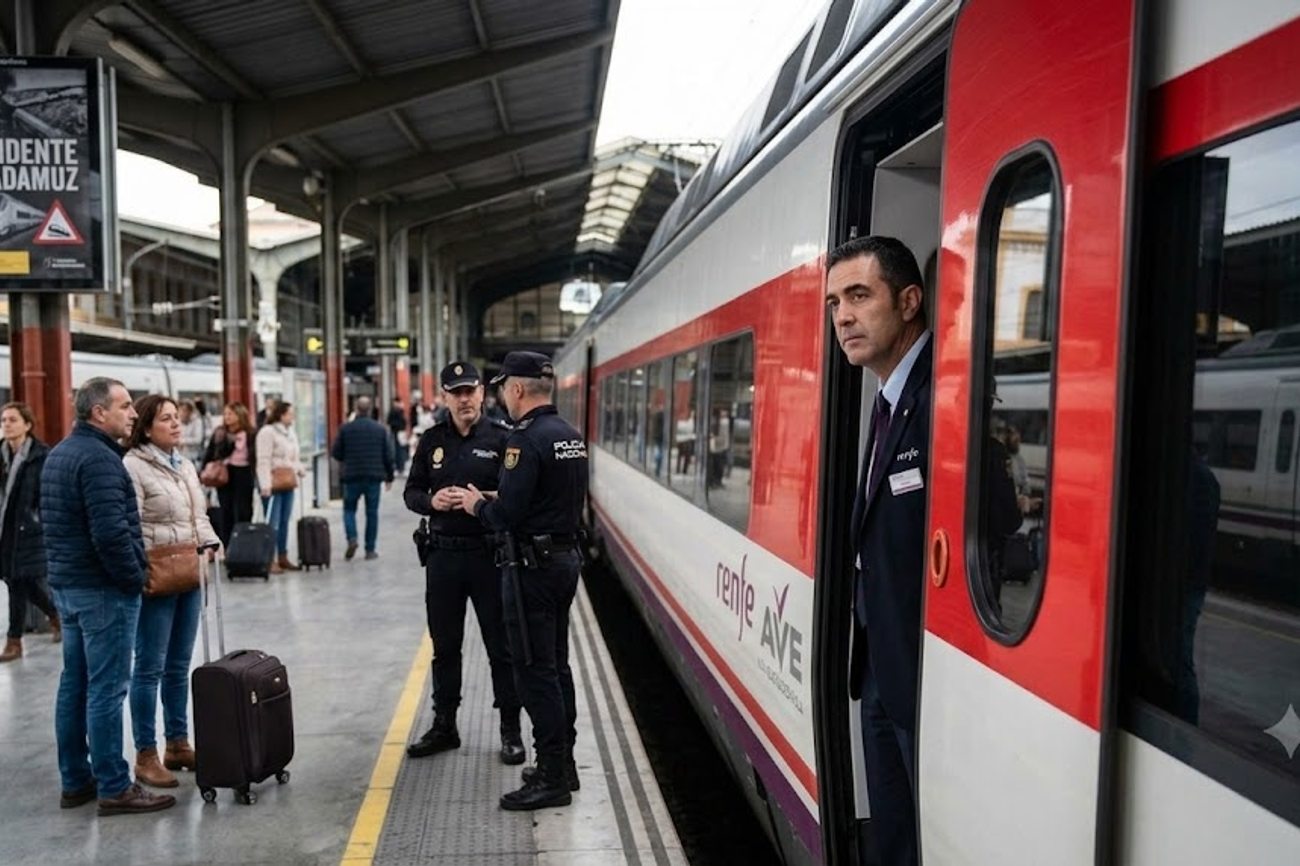
Image generated by AI
Are you planning a multi-city trip through Spain using the high-speed rail network? You need to understand how recent shifts in Renfe's mandatory passenger insurance are reflecting a changing risk environment for travelers. While these changes occur behind the scenes of your ticket purchase, they signal a transition in how liability and passenger protection are managed across the Iberian Peninsula.
The Shift in Renfe Passenger Insurance
Renfe, Spain's primary rail operator, has initiated a new procurement process to secure mandatory passenger insurance. The most critical detail for those tracking the operational costs of Spanish transit is that the premium for this coverage has increased by 34% compared to the contract established in 2024. This is not a surcharge added to your individual ticket at checkout, but rather a systemic cost increase for the operator to maintain the compulsory protection framework required for all passengers.
This price hike is a direct result of the insurance market's reaction to the Adamuz accident. The potential for massive compensation payouts stemming from that incident has forced insurers to recalibrate their risk assessments. In the world of global logistics, this is a textbook example of how a single safety event can ripple through the financial infrastructure of a national transport system, increasing the cost of liability coverage long after the initial event.
Route and Schedule Details
While insurance premiums are an administrative cost, they cover the millions of passengers moving across the following primary corridors. If you are booking travel, these are the core high-speed and conventional routes where this mandatory coverage applies.
| Route | Frequency | Aircraft/Train Type | Duration | Status |
|---|---|---|---|---|
| Madrid to Barcelona | High | AVE / High-Speed | ~2.5 - 3 Hours | Operational |
| Madrid to Seville | High | AVE / High-Speed | ~2.5 Hours | Operational |
| Madrid to Valencia | High | AVE / High-Speed | ~1.5 - 2 Hours | Operational |
| Madrid to Málaga | High | AVE / High-Speed | ~2.5 - 3 Hours | Operational |
| Inter-city Conventional | Variable | Regional / MD | Varies | Operational |
Traveler Logistics Guide
Navigating the Spanish rail system requires more than just a ticket. To optimize your transit, follow these professional logistics steps:
1. Booking and Ticket Procurement Always book your tickets directly through the Renfe official website or the mobile app. For those traveling between major hubs like Madrid and Barcelona, high-speed AVE tickets fluctuate in price based on demand. Booking 60 to 90 days in advance is the optimal window for cost efficiency.
2. Understanding Passenger Protection You do not need to purchase separate insurance for the train journey itself. The 34% premium increase mentioned above is absorbed by Renfe. This mandatory coverage is built into the operational cost of your ticket, ensuring that all passengers are protected under the national liability framework regardless of their origin.
3. Station Navigation and Check-in For AVE services, arrive at the station at least 30 minutes before departure. Unlike airports, there is no formal "check-in" for rail, but security checks are common for high-speed lines. Ensure your digital QR code is ready on your smartphone to avoid queues at the ticket kiosks.
4. Connection Strategies If you are connecting from an international flight at Madrid-Barajas (MAD), use the Cercanías (commuter rail) or the Metro to reach Atocha station. Allow at least 2 hours for this transfer to account for luggage retrieval and transit time.
5. Baggage Policies Renfe allows passengers to carry luggage, but there are strict limits on size and weight to ensure safety and boarding efficiency. Overweight bags may be subject to additional fees or may be refused boarding if they obstruct the aisle.
Regional Connectivity Impact
The increase in insurance costs underscores the interconnected nature of the Spanish transport ecosystem. Renfe does not operate in a vacuum; it relies on infrastructure managed by Adif, the railway infrastructure manager. The insurance market for Spanish rail is a complex web where companies like QBE manage responsibility insurance for both Adif and Adif Alta Velocidad, while other firms handle the passenger-facing liability for Renfe.
This financial pressure on Renfe reflects a broader European trend where safety and liability costs are becoming a larger percentage of total operational expenditures. For the traveler, this means that while the "invisible" cost of safety is rising, the reliability and protection standards of the network are being reinforced. The shift from the 2024 contract—where Everest secured a policy for approximately €2.49 million after an initial valuation of €4.47 million—to the current higher-premium environment shows that the "discount" era of rail insurance is ending as risk assessments become more stringent.
Previously, AIG held the contract in 2022 with a premium of roughly €3.63 million. The fluctuation between these figures (€3.63M in 2022, €2.49M in 2024, and now a 34% increase) demonstrates how volatile the insurance market is when major accidents, such as the one in Adamuz, enter the judicial and financial equation.
FAQ: Renfe Passenger Insurance 2025
Do I need to buy extra insurance for my Renfe trip? No. The insurance discussed is mandatory and provided by Renfe for all passengers. It is built into the cost of the service, so you do not need to purchase an individual policy for basic passenger protection.
Will my ticket prices increase because of the 34% premium hike? Not directly. This increase is an operational cost for Renfe in its contract with insurers. While Renfe may adjust general pricing over time, this specific insurance tender is not a direct "per-ticket" surcharge.
How does the Adamuz accident affect my travel? It does not affect the safety or availability of your trains. It only affects the financial risk calculations that insurance companies use to determine how much they charge Renfe to cover passenger liability.
Which insurers are involved in the Spanish rail network? Major international firms including Everest, AIG, and QBE have held various contracts covering passenger liability, directors' and officers' liability, and infrastructure responsibility for Renfe and Adif.
Keep your itineraries flexible and your digital tickets ready for a seamless transit across Spain.
#RenfeInsurance2025 #SpanishRailLogistics #AVEHighSpeed #MadridBarcelonaTransit #RailLiabilitySpain #AdifInfrastructure
Related Travel Guides
- United Kingdom Aligns With Oxford And More To Showcase Autumn City Breaks Through History, Culture And Leisure
- Saudi Arabia Hosts Hotel & Hospitality Expo Riyadh as Tourism Growth Drives New Hotel and Hospitality Demand
- Cape Town Is Redefining Global Business Travel With Stunning Venues And Unforgettable Incentive Experiences, Here’s The Update
Disclaimer
This article is for informational and educational purposes only. It does not constitute legal, financial, or professional advice. While we strive to provide accurate and up-to-date information, travel policies, regulations, and conditions change rapidly. Always verify information with official sources before making travel decisions. Nomad Lawyer makes no representations about the accuracy, reliability, completeness, or suitability of the information provided. Readers should consult qualified professionals for advice specific to their circumstances. The views expressed in this article are those of the author and do not necessarily reflect the views of Nomad Lawyer.
Naina Thakur
Contributor & Travel Specialist
Travel enthusiast and legal writer covering visa regulations, responsible tourism, and cultural journeys across global destinations.
Learn more about our team →