
Cape Town Is Redefining Global Business Travel With Stunning Venues And Unforgettable Incentive Experiences, Here’s The Update
Cape Town Is Redefining Global Business Travel With Stunning Venues And Unforgettable Incentive Experiences, Here’s The Update

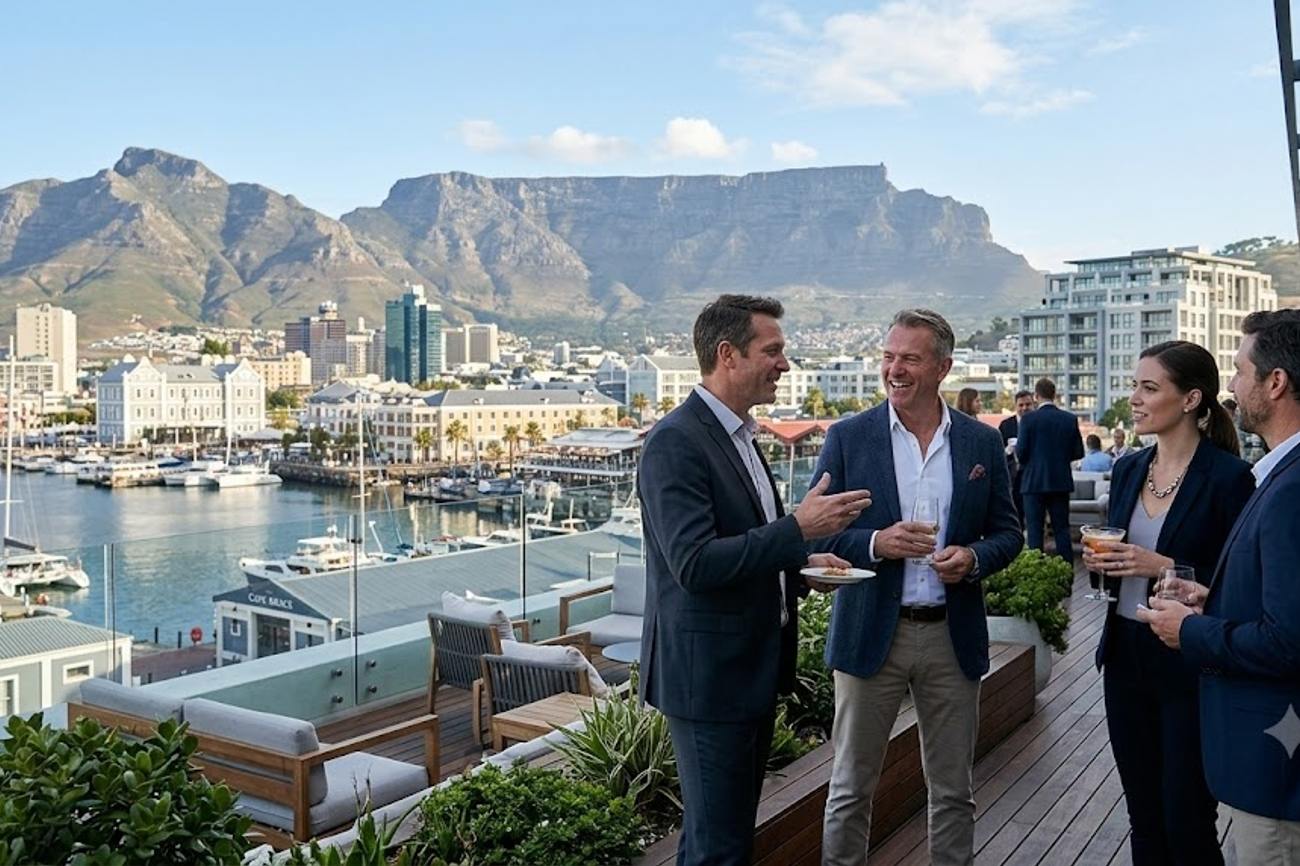
Image generated by AI
Corporate event spending in traditional North American and European hubs has seen a marked shift toward "high-value luxury" destinations, with Cape Town emerging as a primary beneficiary of this budgetary reallocation. While traditional financial centers maintain their volume, the return on investment (ROI) per delegate has shifted; organizations are now leveraging favorable exchange rate dynamics to secure elite infrastructure at a fraction of the cost of London or New York. This is not merely a cost-saving exercise but a strategic pivot toward "incentive-driven" corporate travel, where the environment is used as a tool for creative output and executive retention.
The Cape Town Corporate Pivot in Numbers
The shift toward the "Mother City" is driven by a specific intersection of infrastructure capacity and economic accessibility. The Cape Town International Convention Centre (CTICC) serves as the primary data anchor for this trend, providing a massive operational footprint capable of hosting thousands of simultaneous participants. This structural versatility allows the city to capture a wide market share, ranging from niche commercial expos to massive global summits.
From a financial perspective, the value proposition is rooted in the disparity between the South African Rand and major global currencies. This allows international organizations to scale production values—investing in advanced digital conference technologies and enhanced delegate amenities—without increasing the total budget. According to data trends tracked by the World Travel & Tourism Council (WTTC), the integration of high-end hospitality with natural assets is a key driver in the recovery of the MICE (Meetings, Incentives, Conferences, and Exhibitions) sector.
The growth is further amplified by the "bleisure" phenomenon. Data indicates that delegates are increasingly extending their stays to incorporate personal vacations, which triggers significant secondary spending in local retail, artisanal dining, and regional eco-tourism. This transition from a standard business trip to a holistic travel experience is transforming the regional hospitality ecosystem into a year-round economic driver.
Comparative Market Analysis: Traditional Hubs vs. Emerging Value Hubs
When comparing Cape Town to traditional corporate hubs, the distinction lies in the "experience-to-cost" ratio. In cities like New York or Singapore, corporate travel is often characterized by "cement monstrosities" and rigid financial center environments. Conversely, Cape Town integrates high-grade service with immediate access to geographical landmarks such as Table Mountain and the Cape Winelands.
The following table illustrates the shift in corporate planning priorities when moving from a traditional hub to a value-driven destination like Cape Town.
| Metric | Traditional Corporate Hubs (NY/London/Singapore) | Emerging Value Hubs (Cape Town) | Impact on Corporate Budget |
|---|---|---|---|
| Infrastructure Focus | High-density financial districts | Integrated Convention Centres (CTICC) | Shift toward versatile, large-scale venues |
| Cost Efficiency | Standard international rates | Favorable exchange rate dynamics | Higher ROI per delegate spend |
| Delegate Engagement | Indoor-centric / Urban | Nature-integrated / Incentive-based | Increased attendee satisfaction/retention |
| Stay Duration | Strict business-only windows | High "Bleisure" extension rates | Increased secondary local economic impact |
| Service Model | Standardized corporate hospitality | Specialized local event ecosystems | Higher customization of itineraries |
This shift is reflected in broader industry movements. As noted by IATA, the demand for direct flight paths to non-traditional business hubs is rising as corporations seek to diversify their event locations to avoid "conference fatigue."
What This Means for Travelers
For the corporate traveler or event planner, the data suggests a fundamental change in how international trips should be structured. The "Mother City" model proves that luxury and budget discipline are no longer mutually exclusive.
1. Budget Reallocation: If you are managing a corporate budget for 2025, redirecting funds from high-cost urban centers to Cape Town allows for a "production upgrade." You can secure five-star accommodations and elite event management services while maintaining strict financial discipline.
2. The "Bleisure" Window: Travelers should plan for a "buffer period" of 3-5 days following a convention. Because the city's infrastructure allows for an effortless transition from the CTICC to private game reserves or coastal roadways, extending the trip is now a standard expectation rather than an exception.
3. Logistics Integration: Leverage the mature ecosystem of local service providers. The presence of specialized agencies means that ground transportation and multi-lingual coordination can be outsourced to domestic experts, reducing the operational burden on the home corporate headquarters.
Projections for the African MICE Market
The trajectory of Cape Town's growth suggests a broader trend: the decentralization of the global business event industry. We are moving away from a world where "business" happens in a boardroom and "leisure" happens on vacation. Instead, the "Incentive Travel" model is becoming the default.
Based on current infrastructure investments and municipal support—including streamlined event permitting and urban safety initiatives—Cape Town is positioned to increase its market share of the global executive delegation pool. As global enterprises continue to scrutinize budgets, the demand for destinations that offer "premium value" (high luxury/low relative cost) will accelerate. We expect to see a year-over-year increase in direct flight connectivity from North American and Asian hubs to support this surge in business mobility.
The integration of public agency support and private hospitality entities creates a reliable operational framework that reduces the perceived risk for international planners. This synergy will likely lead to a sustained increase in large-scale, multi-day conventions that utilize the city's natural scenery as a core component of the corporate agenda.
FAQ: Cape Town Corporate Travel 2025
Will corporate travel costs decrease in Cape Town? While global inflation affects all markets, the favorable exchange rate continues to make Cape Town significantly more affordable than European or North American hubs for those paying in USD, EUR, or GBP, allowing for higher luxury standards at lower costs.
Is this a good time to book large-scale conventions? Yes. With the expansion of premium hotel networks and the versatility of the CTICC, the city is currently optimized for executive delegations. However, as "bleisure" trends grow, peak season availability for luxury accommodations is tightening.
Which sectors are driving this growth? Global enterprises focusing on executive recognition, high-level client entertainment, and creative team-building are the primary drivers, moving away from traditional financial center settings toward nature-integrated environments.
How does the city handle large-scale logistics? Cape Town utilizes a robust network of specialized event management agencies and integrated municipal support systems to streamline everything from technical staging to ground transportation for thousands of participants.
The era of the sterile boardroom is ending; the era of the strategic destination has arrived.
Tags: Cape Town MICE Growth 2025, CTICC Capacity Data, South Africa Bleisure Trends, Corporate ROI Travel, Executive Incentive Destinations
Related Travel Guides
- Visit Sarajevo Eyes Malaysia and Indonesia as Halal-Friendly Travel, History and Nature Strengthen European City Break Appeal
- Global Tourism Power Shift Is Coming as World Leaders Prepare for a Stunning Travel Industry Showdown in Malta
- Uganda Builds a Brighter China Travel Bridge Through Nature Adventure and Easy Payments
Disclaimer
This article is for informational and educational purposes only. It does not constitute legal, financial, or professional advice. While we strive to provide accurate and up-to-date information, travel policies, regulations, and conditions change rapidly. Always verify information with official sources before making travel decisions. Nomad Lawyer makes no representations about the accuracy, reliability, completeness, or suitability of the information provided. Readers should consult qualified professionals for advice specific to their circumstances. The views expressed in this article are those of the author and do not necessarily reflect the views of Nomad Lawyer.
Naina Thakur
Contributor & Travel Specialist
Travel enthusiast and legal writer covering visa regulations, responsible tourism, and cultural journeys across global destinations.
Learn more about our team →