
Southern Railway Achieves 100% Network Electrification Across 5,068-Kilometre Broad Gauge Grid

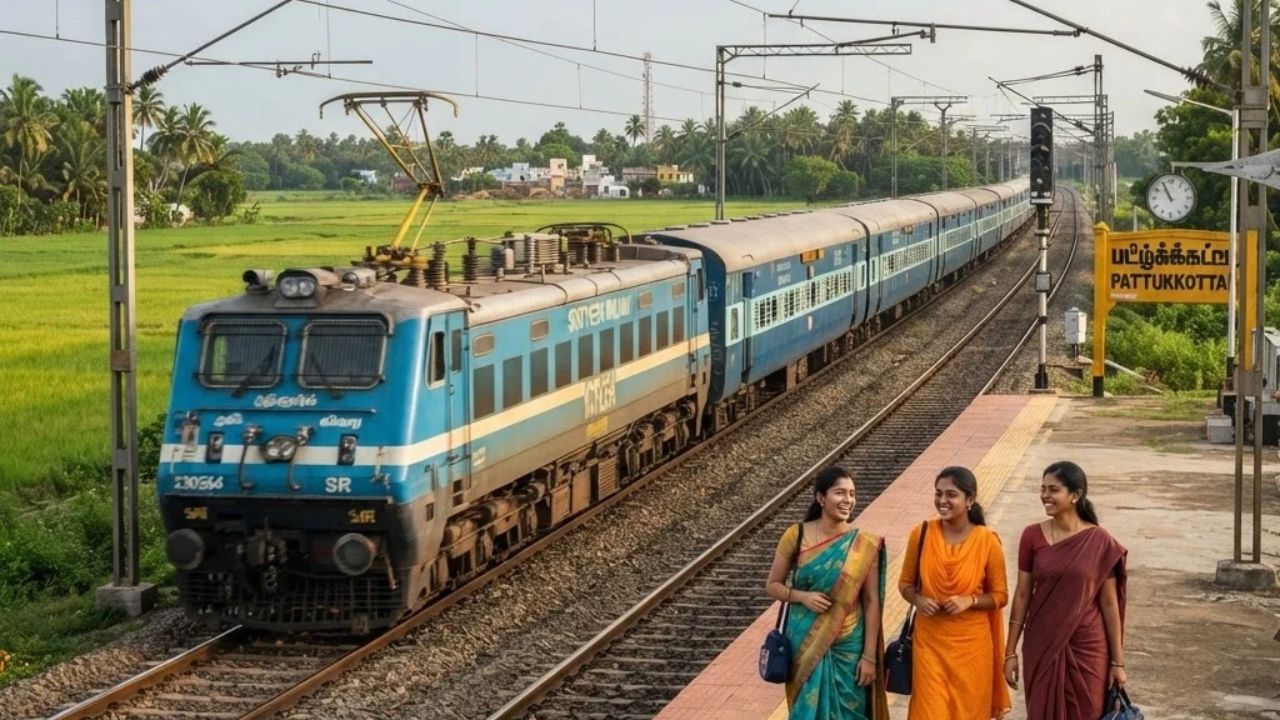
Southern Railway has officially achieved 100% electrification across its entire 5,068-route-kilometre Broad Gauge network, concluding a transition that began in the Madras region in 1931. With the final 71-kilometre Pattukkottai–Karaikkudi railway section in Tamil Nadu energized, passenger and freight services now operate seamlessly under continuous electric traction without time-consuming diesel locomotive swaps.
The milestone marks the completion of an infrastructure journey spanning almost a century. By bringing the final non-electrified link in Tamil Nadu into the electrified grid, Southern Railway eliminates operational delays, cuts fossil fuel consumption, and establishes an eco-friendly rail corridor supporting regional connectivity and tourism.
The Local Trend Revealed: Continuous Electric Traction Across South India
The completion of the final 71-kilometre link between Pattukkottai and Karaikkudi brings 100% of Southern Railway's 5,068 route kilometres of Broad Gauge lines under electric overhead traction wires. Previously, trains passing through this section required diesel locomotives or forced operational halts where locomotives were detached and swapped at junction points.
Eliminating these traction changeovers fundamentally transforms regional train operations:
- Direct Electric Transit: Passenger expresses and regional services can run uninterrupted from northern terminuses through central Tamil Nadu directly into southern districts.
- Elimination of Locomotive Swaps: Trains no longer spend 20 to 40 minutes idling at intermediate junctions waiting for diesel-to-electric engine replacements.
- Enhanced Asset Utilization: Electric locomotives maintain higher availability, lower turnaround intervals, and reduced depot maintenance requirements compared to diesel units.
- Streamlined Freight Corridors: Industrial cargo, port shipments, and agricultural produce move across state borders with predictable transit timetables.
The transition reflects decades of systematic engineering. Southern Railway first introduced electric traction in 1931 within the suburban Madras sector. Over the succeeding decades, mainline corridors linking Chennai, Madurai, Coimbatore, Tiruchirappalli, and Kerala were progressively wired, culminating in the electrification of the Pattukkottai–Karaikkudi branch line.
Cultural & Environmental Value: Decarbonizing Historic Corridors
The shift from diesel traction directly cuts greenhouse gas emissions and local particulate pollution across environmentally sensitive agrarian plains and historic settlements. The Pattukkottai–Karaikkudi line traverses the fertile Cauvery Delta fringe and enters the architectural heartland of Chettinad, regions where heritage preservation and clean air directly influence community well-being.
Electric locomotives deliver superior torque, allowing faster acceleration and deceleration profiles. For passengers traveling along secondary routes in Tamil Nadu, this translates into quieter journeys free of diesel exhaust fumes and trackside soot deposits.
Key Milestones in Southern Railway Network Electrification
| Parameter | Specification & Milestone Detail |
|---|---|
| Total Electrified Network | 5,068 Route Kilometres (100% Broad Gauge Grid) |
| Final Electrified Section | Pattukkottai–Karaikkudi Railway Section, Tamil Nadu |
| Length of Final Section | 71 Kilometres |
| Inaugural Electric Traction Year | 1931 (Madras Suburban System) |
| Primary Environmental Impact | Zero direct tailpipe emissions; total phase-out of mainline diesel idling |
| Primary Operational Impact | Elimination of traction change delays; improved rolling stock turnaround |
| Governing Authority | Southern Railway / Ministry of Railways, Government of India |
The operational upgrade supports national sustainability targets under Indian Railways' broader mission to operate a net-zero carbon railway network. Replacing imported diesel fuel with grid electricity lowers operating expenditures while enhancing power efficiency through modern regenerative braking systems.
Visitor Insider Tips: Traveling Tamil Nadu's Electric Heritage Rails
The newly electrified rail corridor opens accessible, sustainable routes for cultural travelers venturing into Tamil Nadu's heritage heartlands:
- Ideal Visiting Windows: Plan your rail journey between November and February, when daytime temperatures hover between 24°C and 30°C. Avoid the peak summer heat of April through June, when regional temperatures frequently exceed 40°C.
- Chettinad Cultural Gateway: Disembark at Karaikkudi Junction to access the historic Chettinad region, renowned for palatial 19th-century merchant mansions in villages like Kanadukathan and Kottaiyur. Visit local workshops producing handmade, sun-dried Athangudi terracotta floor tiles.
- Culinary Specialties at Station Stops: Savor authentic regional gastronomy near Karaikkudi and Pattukkottai stations. Seek out traditional vegetarian messes serving kuzhi paniyaram (crisp rice-lentil dumplings), steamed idiyappam with fresh coconut milk, and iconic pepper-spiced Chettinad curries paired with hot South Indian filter coffee.
- Ticketing & Logistics Strategy: Book reserved seats on express services via the official Indian Railway Catering and Tourism Corporation (IRCTC) portal. AC Chair Car and 3-Tier AC coaches offer comfortable, air-conditioned vantage points across the rural Tamil countryside. Confirm train timings early, as schedules are optimized following speed certification on newly electrified sections.
- Heritage Etiquette: When visiting local temples such as Pillayarpatti Karpaga Vinayagar Temple near Karaikkudi, respect local dress codes (traditional attire, shoulders and knees covered, footwear removed at temple perimeters).
Tourism Outlook: Greener Regional Rail Connectivity
With 5,068 kilometres of Broad Gauge track fully energized, Southern Railway provides a modern foundation for sustainable regional tourism. The Tamil Nadu Tourism Development Corporation (TTDC) and regional heritage bodies stand to gain from enhanced train frequency, cleaner terminal environments, and reduced journey times between metropolitan hubs and heritage circuits.
As Indian Railways completes electrification nationwide, Southern Railway's unified electric network demonstrates how large-scale public transit can phase out fossil fuels while expanding economic and cultural access across south India.
Related Travel Guides
Disclaimer
This article is for informational and educational purposes only. It does not constitute legal, financial, or professional advice. While we strive to provide accurate and up-to-date information, travel policies, regulations, and conditions change rapidly. Always verify information with official sources before making travel decisions. Nomad Lawyer makes no representations about the accuracy, reliability, completeness, or suitability of the information provided. Readers should consult qualified professionals for advice specific to their circumstances. The views expressed in this article are those of the author and do not necessarily reflect the views of Nomad Lawyer.
Preeti Gunjan
Contributor & Community Manager
A passionate traveller and community builder. Preeti helps grow the Nomad Lawyer community, fostering engagement and bringing the reader experience to life.
Learn more about our team →