South Korea’s Chuseok Brings International Visitors Closer To Authentic Korean Traditions

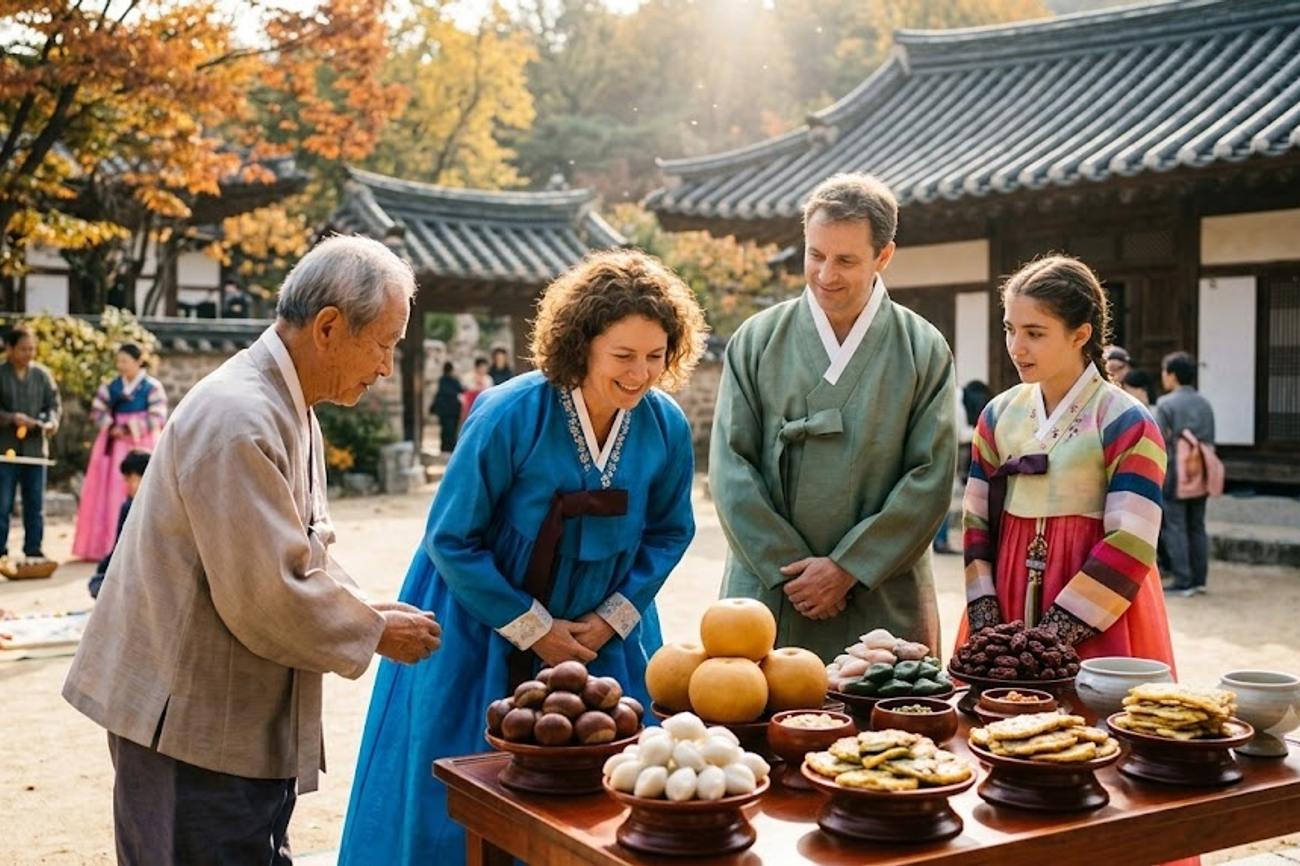
Image generated by AI
South Korea's international arrival patterns have shifted significantly, with autumn peaks now rivaling the traditional spring surge as the country pivots toward "culture-first" tourism. While previous years saw a heavy concentration of visitors during the cherry blossom season, the Chuseok harvest period has emerged as a critical window for high-value cultural tourism, driven by a strategic push to diversify the visitor profile beyond K-pop and urban shopping.
The Chuseok Market in Numbers: Cultural Capitalization
The Chuseok festival, occurring on the 15th day of the eighth lunar month, represents a distinct market anomaly in South Korean tourism. Unlike standard seasonal peaks, this period is characterized by a paradoxical shift in domestic versus international movement. While a vast majority of the resident population engages in a mass exodus from urban centers to ancestral hometowns, international visitor density in Seoul remains high, creating a unique "cultural vacuum" that allows tourists unprecedented access to the city's core.
The data indicates that the primary draw during this window is the removal of financial barriers to heritage. Major royal sites—including Gyeongbokgung, Changdeokgung, Deoksugung, and Changgyeonggung palaces, as well as the Jongmyo Shrine—historically implement free admission policies during the Chuseok holiday. This strategic pricing shift converts these sites from paid attractions into open-access cultural hubs, significantly increasing the "per-visitor value" of a trip during this specific lunar window.
From a gastronomic perspective, the market shifts toward seasonal, traditional consumption. The demand for songpyeon (half-moon rice cakes) and other harvest-specific delicacies peaks, moving the food tourism narrative away from the ubiquitous street food of Myeong-dong and toward authentic, ritual-based dining. This shift is mirrored in the broader trends reported by the World Tourism Organization (UNWTO), which highlights a global rise in "experiential travel" where tourists seek deep-tissue cultural immersion over superficial sightseeing.
Comparative Context: The Autumn Pivot
When comparing the Chuseok period to other travel windows in South Korea, the data reveals a stark contrast in infrastructure pressure and visitor motivation. While the spring season is driven by aesthetic tourism (cherry blossoms), the autumn Chuseok period is driven by heritage and nature tourism.
The following table illustrates the operational differences between a standard travel month and the Chuseok festival window:
| Metric | Standard Travel Month (Off-Peak) | Chuseok Festival Period | Impact on International Traveler |
|---|---|---|---|
| Palace Admission | Standard Entry Fees Apply | Free Admission (Select Sites) | Reduced daily spend on attractions |
| Urban Density (Seoul) | High (Residents + Tourists) | Low (Residents Exit; Tourists Stay) | Easier access to city center landmarks |
| Intercity Transport | Moderate Availability | Extreme Demand/Saturation | High risk of ticket unavailability |
| Accommodation | Market Rate | Peak Seasonal Pricing | Increased costs for last-minute bookings |
| Cultural Activity | Standard Museum Hours | Special Heritage Programs | Higher density of authentic events |
This shift in dynamics is a microcosm of a larger regional trend. According to data trends observed via Statista, East Asian destinations are increasingly leveraging "Lunar Calendar Events" to attract high-spending international segments who are less sensitive to price and more interested in "authentic" cultural markers. The transition from "sightseeing" to "ritual-participation" (such as wearing hanbok to enter palaces) represents a move toward higher-engagement tourism.
Practical Traveler Advisory and Strategic Insights
For the individual traveler, the data suggests that visiting during Chuseok is a high-reward but high-risk strategy. The financial incentive of free palace entry and the aesthetic appeal of autumn foliage are offset by severe logistics constraints.
Booking Windows: Because Chuseok triggers one of the most intense domestic migration events in the world, the "last-minute" booking strategy is non-viable. If you are planning a trip during this lunar window, securing rail (KTX) and bus tickets at least 30 days in advance is mandatory. Failure to do so often results in total unavailability of intercity transport.
Strategic Itinerary Planning: To maximize the utility of the "urban vacuum," travelers should concentrate their Seoul-based activities (Gyeongbokgung, Jongmyo Shrine) during the peak holiday days when the local population has departed. Conversely, trips to the countryside or mountains should be scheduled for the fringes of the holiday to avoid the peak of the domestic homecoming rush.
Budgeting for Accommodation: While attraction costs drop due to free admission, hotel ADR (Average Daily Rate) typically spikes. Booking 8-12 weeks ahead is essential to avoid the "holiday premium" applied by Seoul-based hospitality groups.
Forward Projection: The Evolution of Heritage Tourism
The trajectory of Chuseok tourism suggests a move toward "Hyper-Localism." We are seeing a shift where the International Air Transport Association (IATA) data reflects a growing interest in secondary cities. While Seoul remains the hub, the integration of nature tourism—specifically mountain hiking and national park visits during the autumn color change—is pushing international travelers further into the provinces.
We project that within the next three years, the South Korean tourism board will further formalize "Chuseok Packages" that bundle hanbok rentals, songpyeon cooking classes, and palace tours into a single digital pass. This will likely reduce the friction for international visitors who currently struggle to navigate the nuances of the lunar calendar.
Furthermore, as the global trend toward "Slow Travel" accelerates, the Chuseok window will likely evolve from a 3-day peak into a month-long "Autumn Heritage Season," expanding the economic benefit to regional communities outside the capital.
FAQ: Chuseok Travel 2025-2026
Will flight and hotel prices increase during Chuseok? Yes. Due to the convergence of domestic travel and international cultural interest, prices typically rise. Booking 2-3 months in advance is the only reliable way to secure standard rates.
Is it a good time to visit Seoul? It is an excellent time. With many locals traveling to their hometowns, the city is less crowded, and the free admission to royal palaces provides significant value.
Which transport options are most affected? Trains (KTX) and express buses are the most volatile. Tickets often sell out within minutes of release. International travelers should use official booking portals the moment windows open.
Are shops and restaurants closed during the festival? While major malls and tourist-centric areas in Seoul remain open, some smaller, family-run businesses may close for a few days. Always verify the schedule of specific local eateries.
The shift from mass tourism to ritual-based exploration makes Chuseok a strategic window for the discerning traveler, provided the logistics are solved before departure.
Related Travel Guides
- Switzerland and Others Lift Seychelles Tourism as August Arrivals Surge 14.1% in Recovery
- Japan Dominates Winter Travel 2026 With Epic Snow Experiences From Hokkaido To Traditional Snow Villages
- Italy Connects With France And More Nations To Showcase Global Food Excellence At FHC Shanghai Global Food Trade Show 2026 In China
This article is for informational purposes. Flight routes, passenger regulations, visa rules, and transit advisories are subject to change by airlines and aviation authorities. Readers are advised to verify schedules and travel documentation with relevant carriers and border agencies before departure.
Related Stories

European Mass Protests Disrupt Travel Across France, Italy, Belgium, and Turkey in 2026
Tainan Tourism Expansion 2026: Tigerair Debut and MICE Growth at TTF International Travel Fair