
South Korea Tourism Boom 2026: K-Culture Drives Record Visitor Spending and New Specialized Zones
South Korea is leveraging the global K-Culture phenomenon to drive record international visitor spending through specialized entertainment zones and immersive experience-based tourism in 2026.

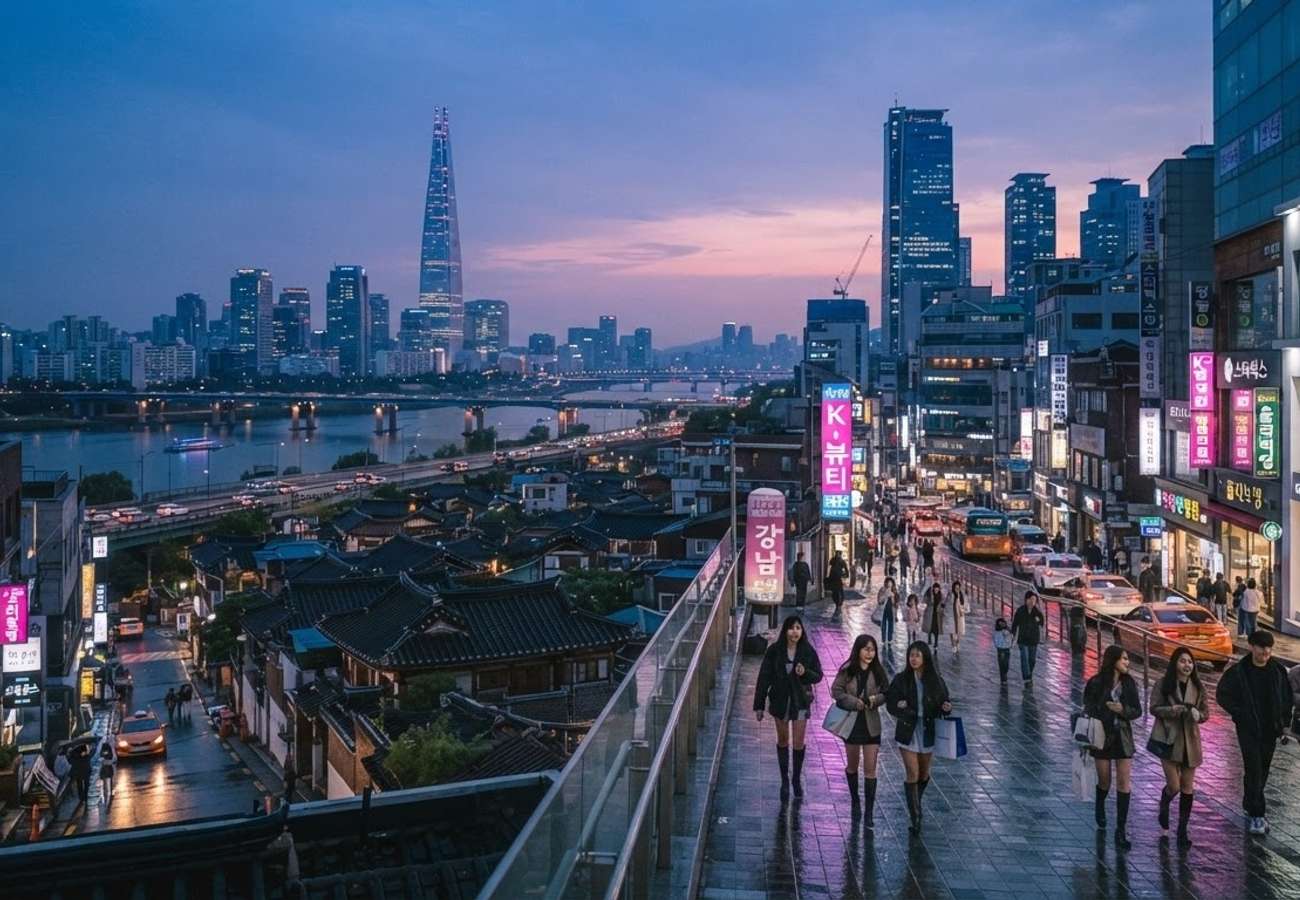
Image generated by AI
International visitor expenditure in South Korea recorded a substantial increase during the first half of 2026, signaling a shift from traditional sightseeing to high-spending, immersive cultural consumption.
The traditional tourism model of visiting palaces and museums is being superseded by a high-velocity "K-Culture" engine. This shift is not merely about sightseeing; it is a targeted migration of global fan communities seeking the physical origins of the entertainment, fashion, and beauty trends they consume digitally. The result is a surge in revenue across the hospitality, retail, and entertainment sectors, as visitors transition from passive observers to active participants in the Korean lifestyle.
The Shift Toward Experience-Based Travel
The current surge is driven by five primary cultural pillars that dictate traveler behavior and spending patterns:
| Tourism Interest | Primary Visitor Motivation |
|---|---|
| K-pop | Concert attendance, entertainment agency visits, fan culture immersion |
| K-dramas | Filming location tours and iconic scene recreation |
| K-fashion | High-end shopping districts and independent designer boutiques |
| K-beauty | Specialized cosmetic clinics and skincare experiences |
| K-food | Fusion of traditional cuisine and viral modern dining trends |
This evolution has fundamentally altered the traveler profile. The modern visitor is less interested in a generic city tour and more invested in personalized itineraries that mirror their digital interests. This has led to a direct economic windfall for premium accommodations and niche retail sectors.
Strategic Urban Transformation in Seoul
Seoul has solidified its status as a global culture capital by integrating technology with heritage. The city is no longer just a destination but a living stage for cultural exports. Visitors are increasingly gravitating toward entertainment company districts and street food markets that have gained international fame through social media.
To sustain this momentum, the South Korean government and local tourism bodies are implementing specialized tourism zones. These are not mere clusters of shops, but dedicated ecosystems designed for global fans:
- Music-Focused Districts: Purpose-built spaces for concerts and interactive fan experiences.
- Cultural Event Zones: Dedicated hubs for international festivals and large-scale performances.
- Pop-Culture Attractions: Interactive showcases of the domestic entertainment industry.
- Creative Neighborhoods: Areas designed to promote local artists and independent cultural businesses.
Economic Impact and Global Positioning
The integration of live events—specifically K-pop concerts and fashion shows—has created a reliable "event-driven" tourism model. These events trigger a domino effect of spending on flights, luxury hotels, and local transportation.
South Korea’s ascent in global tourism rankings is supported by several structural advantages:
- Advanced Digital Infrastructure: Seamless connectivity that improves visitor convenience.
- Modern Transport Networks: High-speed rail and efficient urban transit making regional travel accessible.
- Diverse Attraction Portfolio: A balance of high-tech urbanism and deep-rooted heritage.
While Seoul remains the epicenter, the influence is expanding. Cities like Busan and the natural landscapes of Jeju Island are seeing increased traffic as travelers seek a more comprehensive understanding of the country beyond the capital.
Visitor Insider Tips
For those planning a visit to navigate the 2026 tourism landscape, consider these local insights:
- Avoid the "Peak-Fan" Rush: If visiting K-pop agency districts or popular drama filming sites, aim for Tuesday through Thursday mornings. Weekends are often overwhelmed by domestic and international fan gatherings.
- The "K-Beauty" Protocol: For high-end skincare experiences, bookings are essential. Many top-tier clinics in Gangnam now require reservations weeks in advance via local apps.
- Dining Beyond the Trends: While "viral" cafes are popular, explore the Gwangjang Market for authentic Bindaetteok (mung bean pancakes) to experience the intersection of traditional food and modern tourism.
- Sustainable Exploration: Utilize the T-money card for all transit. To support the local economy, venture into the Seongsu-dong area, often called the "Brooklyn of Seoul," where repurposed warehouses support independent local creators.
Tourism Outlook
The long-term trajectory for South Korea is a move toward "deep travel." The focus is shifting from the quantity of visitors to the quality of the experience. By fostering a connection between global fan communities and authentic local life, South Korea is insulating its tourism industry from volatility. The goal is to encourage longer stays by expanding the cultural map beyond the urban core of Seoul, ensuring that the economic benefits of the K-Culture wave reach regional provinces and small-scale artisans.
South Korea has successfully turned a digital cultural export into a physical economic powerhouse.
Related Travel Guides
Disclaimer
This article is for informational and educational purposes only. It does not constitute legal, financial, or professional advice. While we strive to provide accurate and up-to-date information, travel policies, regulations, and conditions change rapidly. Always verify information with official sources before making travel decisions. Nomad Lawyer makes no representations about the accuracy, reliability, completeness, or suitability of the information provided. Readers should consult qualified professionals for advice specific to their circumstances. The views expressed in this article are those of the author and do not necessarily reflect the views of Nomad Lawyer.
Raushan Kumar
Founder & Lead Developer
Full-stack developer with 11+ years of experience and a passionate traveller. Raushan built Nomad Lawyer from the ground up with a vision to create the best travel and law experience on the web.
Learn more about our team →