
South Korea Teams Up with Kazakhstan to Drive Tourism Expansion as Central Asia Destinations Build Stronger Travel Ties
South Korea Teams Up with Kazakhstan to Drive Tourism Expansion as Central Asia Destinations Build Stronger Travel Ties

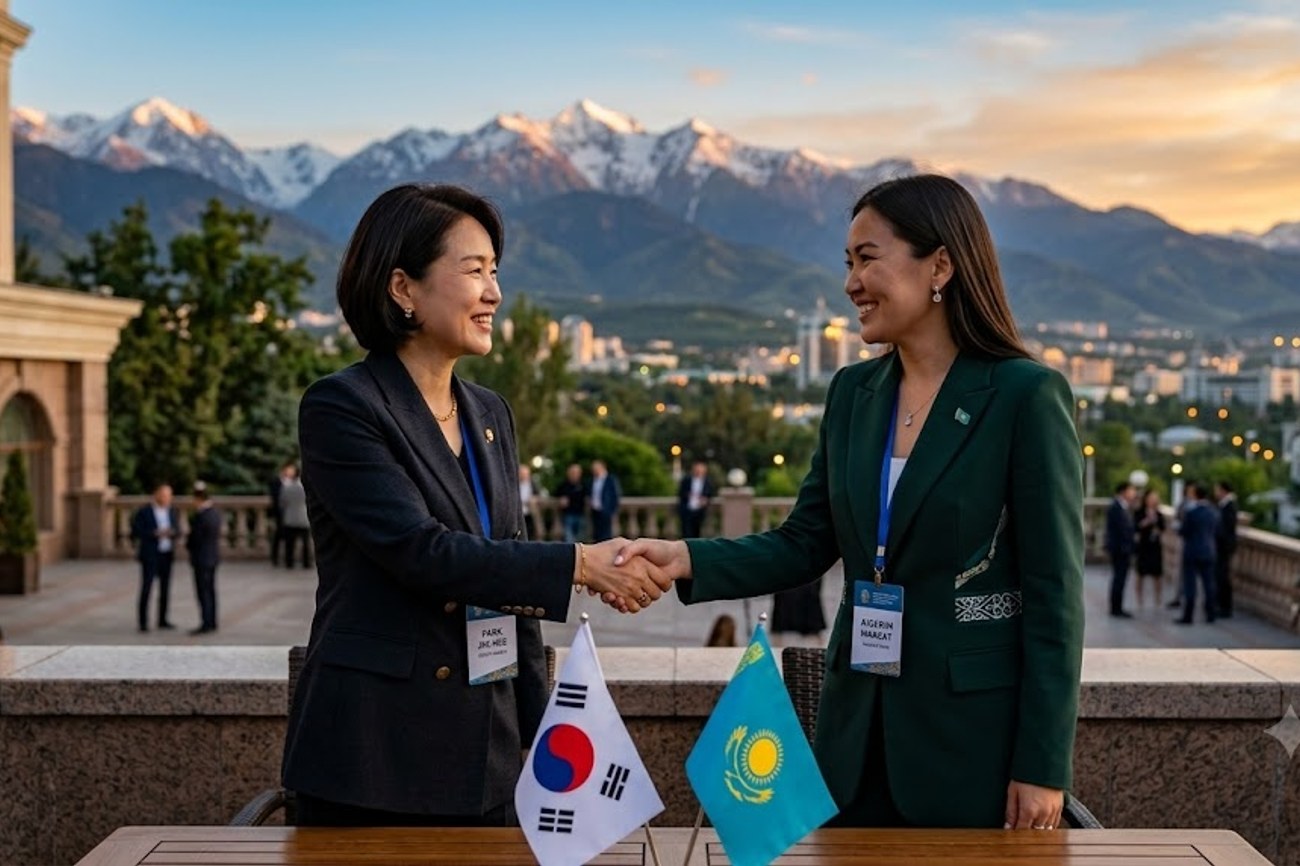
Image generated by AI
[Seoul, September 17, 2026] — South Korea and Kazakhstan have officially elevated their bilateral relations to a “future-oriented comprehensive strategic partnership,” triggering a massive expansion of air connectivity and the simplification of tourism policies between the two nations.
The announcement follows a high-level summit held on September 15, 2026, where Kazakh President Kassym-Jomart Tokayev and South Korean President Lee Jae Myung signed 13 expansive agreements and Memorandums of Understanding (MOUs). While the summit touched on atomic power and digital technology, a core pillar of the negotiations focused on dismantling bureaucratic barriers to travel and fostering cross-border investment in the hospitality sector.
The Seoul Summit Mandate
The immediate catalyst for this shift was the inaugural Korea-Central Asia Summit. By legally binding their strategic interests, the two governments are now committed to reducing friction for international travelers and subsidizing the growth of tourism enterprises. This diplomatic pivot transforms the relationship from one of cautious economic cooperation into a formalized strategic alliance.
Central to this shift is the Memorandum on Cultural and Tourism Cooperation (2026–2030). This document, signed by the Ministry of Culture, Sports and Tourism (MCST) of South Korea and the Ministry of Culture and Information of Kazakhstan, establishes a rigorous five-year framework for joint marketing and synchronized tourism board initiatives. The agreement is designed to capture younger demographics through co-branded travel expos and digitally integrated marketing campaigns.
Affected Travelers, Airlines and Logistics
The partnership creates a new corridor for travel and investment, impacting several specific demographics and markets:
- Aviation Sector: Airlines operating routes between Seoul and Kazakh hubs like Astana and Almaty will see increased demand and potentially more favorable regulatory environments for flight frequency.
- The Koryo-saram Community: The ethnic Korean diaspora in Kazakhstan, numbering over 100,000, will benefit from streamlined "Visiting Friends and Relatives" (VFR) travel protocols.
- Leisure Travelers: South Korean tourists seeking the landscapes of the Eurasian steppe and Kazakh citizens looking to explore East Asian urban centers.
- Tourism Investors: Firms specializing in urban infrastructure and the preservation of historic sites now have a government-backed roadmap for cross-border investment.
- Cultural Institutions: Organizations focused on the legacy of figures like General Hong Beom-do, whose 2021 repatriation served as an emotional precursor to this agreement.
Practical Traveler Advisory and Strategic Insights
For the average passenger or travel agent, this diplomatic upgrade translates into tangible operational changes. The "comprehensive strategic partnership" is not merely a title; it is a directive to eliminate the "bureaucratic friction" that previously hindered travel between East and Central Asia.
Simplified Entry and Visas Travelers can expect a gradual easing of visa restrictions. While specific visa-waiver timelines are being finalized, the policy shift indicates a move toward more open borders to encourage the "blossoming" of international tourism mentioned in official briefs.
Increased Flight Capacity The agreements specifically target "advanced air mobility." In plain language, this means more direct flights, more competitive pricing due to increased capacity, and potentially new routes connecting secondary cities beyond the capital hubs.
South Korea and Kazakhstan are strengthening bilateral ties to increase flight frequencies and streamline visa processes for travelers. These strategic efforts are supported by the Kazakhstan Tourism board to promote the region's diverse landscapes and cultural heritage to East Asian visitors.
Enhanced Destination Infrastructure Because the MOUs include urban infrastructure development, travelers visiting Kazakhstan can expect modernized hospitality facilities and better-managed historic sites, funded by the new wave of South Korean investment.
The 2026–2030 Roadmap
The trajectory of this partnership is now locked into a five-year cycle. Between now and 2030, the focus will shift from diplomatic signing to operational execution. The primary goal is to transform Kazakhstan into a primary gateway for South Koreans entering Central Asia, while positioning South Korea as the primary East Asian hub for Kazakh tourists.
The Republic of Kazakhstan's official government portals and South Korean diplomatic channels are expected to release specific updated visa requirements and flight schedule expansions in the coming months. The integration of "advanced air mobility" suggests that the two nations may also collaborate on next-generation aviation technology to further shorten the transit time between the Eurasian steppe and the Korean peninsula.
FAQ: South Korea-Kazakhstan Travel 2026
Are visa requirements changing for South Koreans visiting Kazakhstan? Yes. The 2026 agreements specifically aim to simplify the tourism process and reduce bureaucratic friction, meaning streamlined application processes or expanded visa-free entries are expected.
Will there be more direct flights between Seoul and Kazakhstan? Yes. The summit agreements prioritize increasing air connections and implementing advanced air mobility to boost the volume of travelers between the two nations.
What is the "Koryo-saram" connection to this travel boom? The Koryo-saram are ethnic Koreans in Kazakhstan (over 100,000 people). Their presence creates a natural demand for travel and serves as a cultural bridge facilitating these new government agreements.
Who is the primary target for the new tourism marketing? The 2026–2030 MOU specifically targets younger demographics in both countries through digital campaigns and immersive roadshows.
The Eurasian corridor is officially open for business.
Related Travel Guides
- Beyond Machu Picchu: South Andes Travel’s Powerful Push to Turn Peru Tourism Into an Immersive Community Experience
- Sisters Roots Music Escape Gives Oregon Travellers a Remarkable September Break
- Australia Observes an Upward Trend in Digital Detox Travel With Serene and Slow Living in Cities Like Byron Bay and Beyond
Disclaimer
This article is for informational and educational purposes only. It does not constitute legal, financial, or professional advice. While we strive to provide accurate and up-to-date information, travel policies, regulations, and conditions change rapidly. Always verify information with official sources before making travel decisions. Nomad Lawyer makes no representations about the accuracy, reliability, completeness, or suitability of the information provided. Readers should consult qualified professionals for advice specific to their circumstances. The views expressed in this article are those of the author and do not necessarily reflect the views of Nomad Lawyer.
Naina Thakur
Contributor & Travel Specialist
Travel enthusiast and legal writer covering visa regulations, responsible tourism, and cultural journeys across global destinations.
Learn more about our team →