
South Korea Records 279 Percent Rise in Indian Incentive Travel
South Korea experiences a 279 percent surge in corporate incentive tourism from India, hosting 2,000 employees from Herbalife and Birla Opus in September 2026.

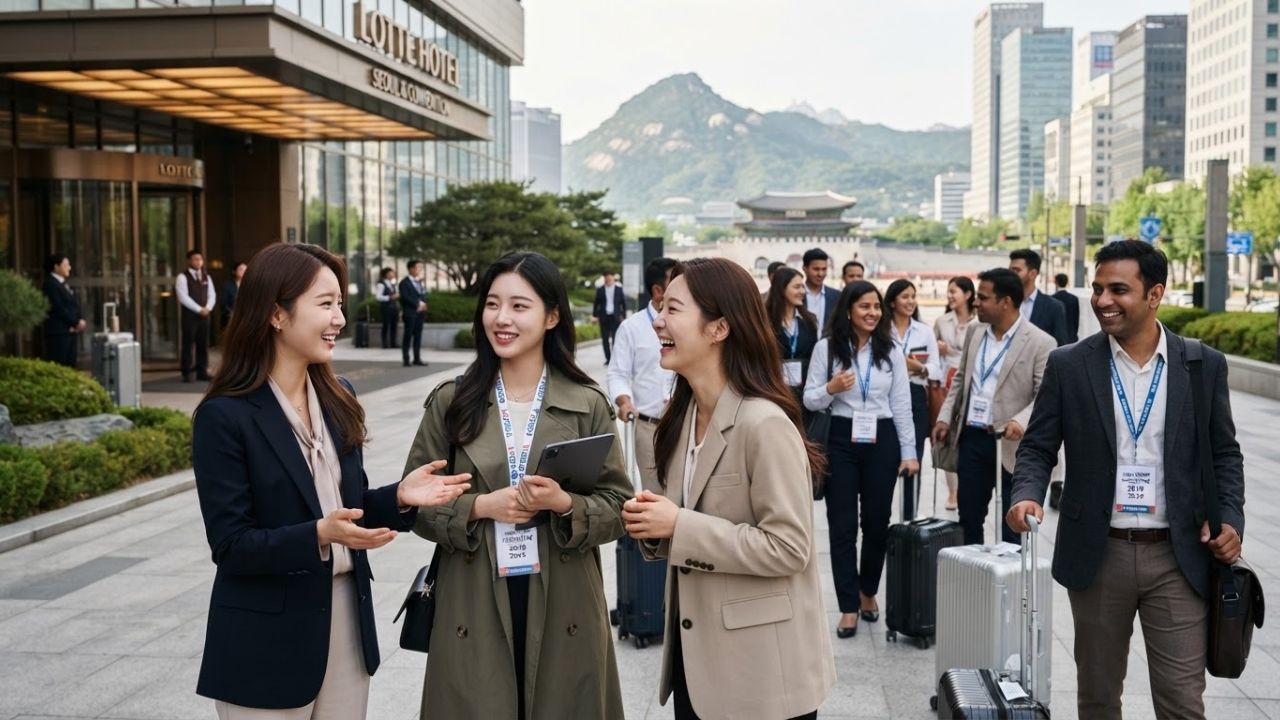
Image generated by AI
South Korea is preparing to host approximately 2,000 Indian corporate travelers in September 2026, driven by a record 279 percent increase in incentive tourism program support from India.
Corporate Bookings: Relaunching Large Group Inbound Flows
The Korea Tourism Organization (KTO) expects a significant expansion of corporate incentive travel from India. The upcoming September 2026 arrivals represent a milestone for the country's MICE (Meetings, Incentives, Conferences, and Exhibitions) industry. Major wellness and manufacturing companies have finalized group itineraries following intensive promotion by the KTO's New Delhi office.
Wellness group Herbalife will bring around 1,400 employees to Seoul and Gangwon Province between September 6 and 11, arriving in three separate groups. KTO officials engaged with the firm in 2024, presenting South Korea's infrastructure in Bengaluru and hosting a destination inspection in June 2026. Over 90 percent of the participants have already completed flight bookings.
Paint manufacturer Birla Opus has also expanded its travel program, sending 465 employees to Seoul and Gyeonggi Province from September 1 to 7. The original plan targeted 300 participants, but was expanded after inspection tours demonstrated the suitability of Gyeonggi's conference facilities.
High-Value MICE Spending Drives Economic Yields
Corporate incentive travel is one of the most profitable sectors of international tourism. KTO data indicates that incentive travelers in South Korea spend an average of $2,710 per person, compared to $1,801 among general leisure tourists.
This spending difference is driven by corporate budgets, which generally cover premium accommodations, exclusive group dining, chartered regional transit, and specialized cultural activities. This spending supports regional hotels, transport providers, and experience operators in Gangwon and Gyeonggi provinces.
In addition to the September groups, South Korea hosted 650 employees from HDFC in May 2026. The KTO forecasts that total Indian corporate incentive travelers supported by its programs will exceed 10,000 by the end of 2026.
Low-Impact Group Travel and Regional Sourcing
Managing large groups requires balancing logistics with sustainable travel practices. Corporate organizers are increasingly utilizing Korea's KTX high-speed rail network to move groups between Seoul, Gangwon, and Gyeonggi provinces, reducing carbon emissions compared to private bus convoys.
To support local communities, KTO recommends sourcing group meals from independent regional restaurants and incorporating traditional markets, such as Seoul's Gwangjang Market, into itineraries. Choosing regional tour operators and purchasing local crafts directly ensures that tourism spend benefits resident families and supports heritage preservation in rural areas.
Local Insider Travel Strategies
- Optimal Travel Windows: Plan group events during the autumn shoulder months of September to November for mild temperatures and colorful scenery. Avoid the Chuseok national holiday week, when many shops and tourist facilities close.
- Business Etiquette: When presenting or receiving business cards, always use both hands as a sign of respect. During group dinners, pour drinks for colleagues rather than pouring your own, which is a key part of local dining customs.
- Regional Culinary Specialties: Sample Chuncheon-style dakgalbi (spicy stir-fried chicken) when visiting Gangwon Province. In Seoul, explore high-end temple food, which offers excellent vegetarian dining options for large corporate groups.
- Hidden Gems: Visit Naksansa Temple in Gangwon State, which sits on a cliff overlooking the East Sea, or walk through the historic hanok alleys of Ikseon-dong in Seoul.
Long-Term Outlook for South Korean MICE Services
The rise of Indian corporate groups highlights South Korea's growing competitiveness in the global incentive travel market. By providing customized destination support, streamlined visa processes, and high-quality infrastructure, the Ministry of Culture, Sports and Tourism aims to build long-term business connections. This strategy reduces dependence on traditional leisure markets, securing steady economic returns for the hospitality sector.
Related Travel Guides
Disclaimer
This article is for informational and educational purposes only. It does not constitute legal, financial, or professional advice. While we strive to provide accurate and up-to-date information, travel policies, regulations, and conditions change rapidly. Always verify information with official sources before making travel decisions. Nomad Lawyer makes no representations about the accuracy, reliability, completeness, or suitability of the information provided. Readers should consult qualified professionals for advice specific to their circumstances. The views expressed in this article are those of the author and do not necessarily reflect the views of Nomad Lawyer.
Raushan Kumar
Founder & Lead Developer
Full-stack developer with 11+ years of experience and a passionate traveller. Raushan built Nomad Lawyer from the ground up with a vision to create the best travel and law experience on the web.
Learn more about our team →