
South Carolina Coastal Tourism: Myrtle Beach Drives $31.2 Million Accommodation Tax Strategy

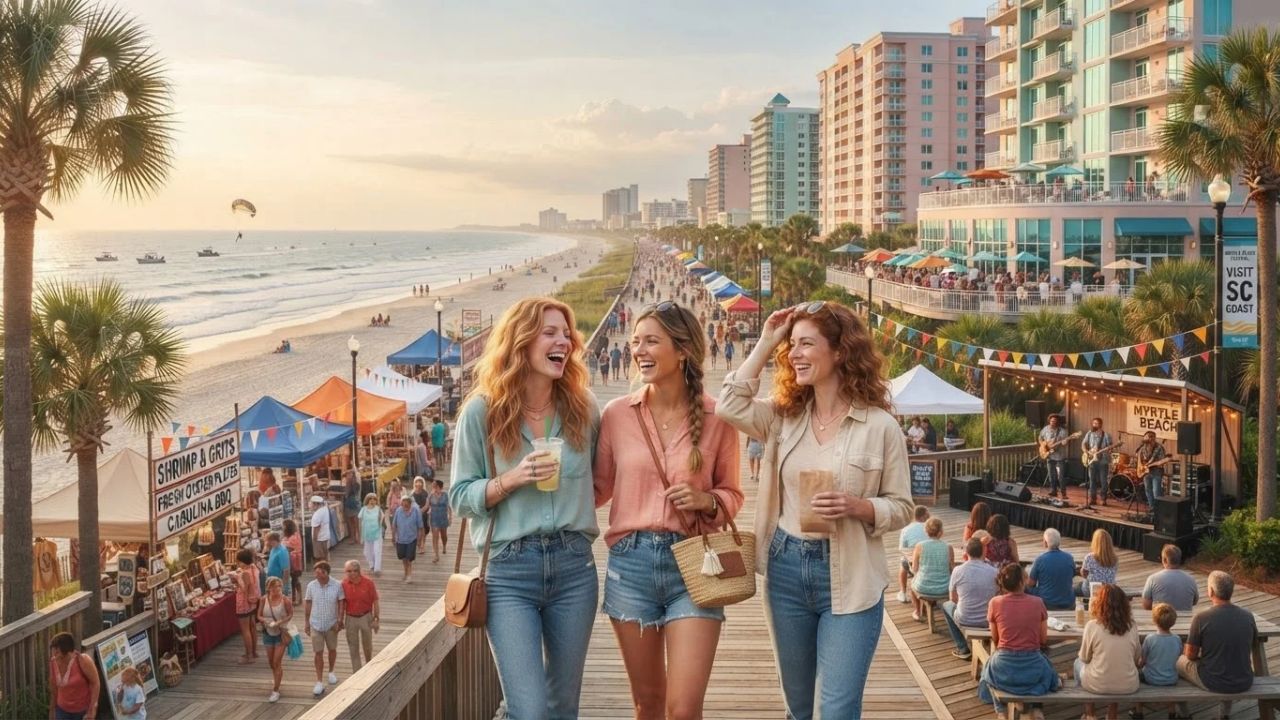
Generating approximately $31.2 million in accommodation tax revenue—accounting for nearly 30% of South Carolina's entire statewide collections—Horry County is leading a coastal tourism revolution by reinvesting overnight lodging funds into year-round festivals and infrastructure. Backed by $13.2 billion in direct visitor spending and a total economic impact surpassing $26 billion, Myrtle Beach and the Grand Strand are proving how visitor-funded models eliminate seasonal economic slumps.
The Local Trend Revealed: Transforming Overnight Lodging Into Year-Round Events
Coastal vacation hubs across the United States are fundamentally restructuring their economic foundations. Rather than relying exclusively on peak summer beachgoers, premier seaside destinations are turning visitor lodging taxes into engines for year-round festival programming, sports tourism, and civic improvements. In South Carolina, the Grand Strand region centered around Myrtle Beach has emerged as a national benchmark for this reinvestment strategy.
Data released through the Myrtle Beach Area Convention & Visitors Bureau and the South Carolina Department of Revenue highlights the immense scale of this funding mechanism. In 2024, Horry County generated approximately $31.2 million in state accommodation taxes, representing nearly 30% of South Carolina’s total accommodation tax collections. When combined with local hospitality fee collections totaling $59.3 million, direct visitor spending reached $13.2 billion, propelling the region’s overall tourism economic impact beyond $26 billion.
| Myrtle Beach Tourism Economic Indicator | 2024 Financial Total |
|---|---|
| Accommodation Tax Collections | $31.2 million |
| Hospitality Fee Collections | $59.3 million |
| Direct Visitor Spending | $13.2 billion |
| Total Tourism Economic Impact | More than $26 billion |
| Statewide Share of SC Accommodation Tax | Approximately 30% |
Under South Carolina law, accommodation taxes apply to short-term sleeping accommodations across hotels, oceanfront resorts, vacation rental condominiums, and commercial campgrounds. To capitalize on this revenue stream, Myrtle Beach municipal leaders are evaluating a dedicated, full-time special events role. This position is designed to curate, recruit, and manage high-yield gatherings—spanning competitive sports tournaments, culinary celebrations, fine arts exhibitions, and seasonal cultural festivals—that fill hotel rooms during traditional shoulder months.
This self-sustaining "heads in beds" cycle follows a proven economic blueprint:
- Overnight lodging generates substantial accommodation tax and hospitality fee collections.
- Dedicated municipal revenues fund high-profile shoulder-season festivals and destination marketing campaigns.
- Strategic events attract leisure and business travelers during autumn, winter, and spring.
- Local hotels, dining establishments, and entertainment venues maintain steady year-round occupancy, supporting permanent regional employment.
Similar funding structures are thriving across the country. In Florida, coastal counties utilize the Tourist Development Tax (TDT) to promote destinations like Cocoa Beach and the Space Coast, Miami Beach, and the Paradise Coast. Maryland’s Ocean City relies on municipal lodging taxes to finance family-oriented autumn festivals, while Hawaii leverages visitor accommodation levies to fund environmental stewardship and sustainable destination management.
Premier Autumn and Winter Coastal Events Calendar (September–December)
Coastal destinations nationwide are scheduling marquee events to expand visitor demand beyond the summer holidays:
- Myrtle Beach Seafood Festival (October – Myrtle Beach, South Carolina): A major culinary showcase celebrating regional seafood heritage, local dockside purveyors, and Lowcountry music along the Atlantic oceanfront.
- Myrtle Beach Classic (Seasonal – Myrtle Beach, South Carolina): A premier professional sports tournament driving national golf tourism and sports travel revenues.
- Fort Lauderdale International Boat Show (October – Fort Lauderdale, Florida): One of the world’s premier marine industry exhibitions, attracting luxury travelers, maritime enthusiasts, and mega-yacht charters.
- Hawaii Food & Wine Festival (September–October – Hawaii): A multi-island gastronomic journey pairing indigenous agriculture with world-renowned culinary talent.
- San Diego Bay Wine & Food Festival (November – San Diego, California): A celebrated Pacific coast harvest festival uniting vintners, craft brewers, and West Coast chefs.
- Pensacola Beach Food & Wine Festival (Autumn – Pensacola Beach, Florida): A Gulf Coast celebration highlighting regional seafood traditions and coastal culinary arts.
- Holiday Beach Festivals (November–December – Florida Coastal Towns): Winter holiday boat parades, beachfront light displays, and seasonal coastal street fairs designed to maintain elevated winter resort occupancies.
Cultural and Environmental Value: Reinvesting in Coastal Heritage and Conservation
The true value of accommodation tax reinvestment extends far beyond marketing brochures. For the visitor, the real impact is an enriched, authentic coastal journey supported by pristine natural resources, world-class public infrastructure, and preserved regional heritage.
In coastal South Carolina, lodging fee revenue directly supports essential environmental protection. Millions of dollars are channeled into recurrent beach renourishment, preserving delicate coastal sand dunes from Atlantic storm erosion. These funds also support sea turtle nesting surveillance programs, comprehensive water quality monitoring along tidal marshes, and the construction of elevated public boardwalks that prevent foot-traffic damage to fragile maritime grasses.
Culturally, these funds allow destinations to celebrate distinctive coastal heritage. In Horry County and neighboring coastal lowlands, visitor fees help finance cultural institutions and festivals that spotlight historic Gullah Geechee traditions, maritime riverboat history along the Waccamaw River, and traditional southern coastal arts. By ensuring that tourism revenue directly subsidizes public safety, emergency services, and civic sanitation, the funding model maintains a sustainable equilibrium between resident quality of life and visitor volume.
Visitor Insider Tips: Maximizing a Grand Strand Autumn Getaway
Experiencing Myrtle Beach and the surrounding coastal communities during the autumn shoulder season provides exceptional value and serene coastal beauty. Here are insider tips for planning your visit:
- Target the Late September to November Sweet Spot: Autumn brings the Grand Strand’s finest coastal weather. Daytime temperatures hover between 70°F and 78°F, the Atlantic Ocean remains comfortably warm for swimming through late October, and oceanfront resort rates drop by 40% to 50% compared to peak July prices.
- Savor Authentic Lowcountry and Calabash Flavors: Bypass commercial franchise strips and head south to Murrells Inlet, celebrated as the seafood capital of South Carolina. Order a traditional Lowcountry boil (sweet Carolina shrimp, smoked sausage, sweet corn, and red potatoes) or travel north toward Little River for authentic Calabash-style seafood—fresh flounder and oysters lightly dusted in cornmeal and flash-fried to golden perfection.
- Explore Protected Natural Sanctuaries: Discover the unspoiled side of the Grand Strand at Huntington Beach State Park. The park features sweeping, undeveloped sea beaches, coastal salt marsh boardwalks where you can spot alligators and migratory shorebirds, and Atalaya Castle, the historic 1930s Moorish-style winter home of sculptor Anna Hyatt Huntington.
- Respect Coastal Wildlife and Dune Regulations: Strictly observe South Carolina beach conservation laws. Never walk on or disturb sand dunes, which are protected by state statutes to prevent shoreline erosion. Zero glass containers are permitted on public beaches, and oceanfront accommodations must maintain downward-facing, wildlife-safe lighting through October 31 to protect newly hatched loggerhead sea turtles navigating toward the sea.
- Streamline Event Parking and Transit: During popular autumn gatherings like the Myrtle Beach Seafood Festival, utilize municipal park-and-ride shuttle lots situated along US-17. Download the local automated parking mobile app to pay for city meters and surface lots along Ocean Boulevard without needing physical coins or queuing at kiosks.
Tourism Outlook: Building a Resilient, Year-Round Visitor Economy
The success of Horry County’s $31.2 million accommodation tax strategy demonstrates the evolution of modern destination governance. By actively converting short-term lodging receipts into long-term civic assets, Myrtle Beach, coastal Florida, and peer seaside communities across the United States are proving that coastal travel does not have to end on Labor Day.
Through forward-looking collaboration between the Myrtle Beach Area Convention & Visitors Bureau, local municipal councils, and regional conservation agencies, the Grand Strand is creating a resilient economic model. By balancing public infrastructure investments with compelling cultural, sporting, and culinary events, South Carolina ensures that its coastal communities remain sustainable, environmentally sound, and welcoming to millions of global explorers for generations to come.
Internal Connection
- Analyze resort tax models in our report on Orlando, Orange, and Osceola Tourism Tax Revenue Trends.
- Explore Gulf Coast destination investments in Pensacola Beach Florida Tourism Investment and Travel Guide.
- Discover Carolinas regional tourism spending milestones in Durham County Tourism Record $1.17 Billion Spending.
Related Travel Guides
Disclaimer
This article is for informational and educational purposes only. It does not constitute legal, financial, or professional advice. While we strive to provide accurate and up-to-date information, travel policies, regulations, and conditions change rapidly. Always verify information with official sources before making travel decisions. Nomad Lawyer makes no representations about the accuracy, reliability, completeness, or suitability of the information provided. Readers should consult qualified professionals for advice specific to their circumstances. The views expressed in this article are those of the author and do not necessarily reflect the views of Nomad Lawyer.
Preeti Gunjan
Contributor & Community Manager
A passionate traveller and community builder. Preeti helps grow the Nomad Lawyer community, fostering engagement and bringing the reader experience to life.
Learn more about our team →