
Beyond the Crowds: How 72 Western National Park Sites Across 12 States Reshape American Travel in 2026
Covering 72 partner sites across 12 states, the Western National Parks 2026 initiative redistributes travelers from congested marquee parks toward hidden desert monuments and cultural ruins.

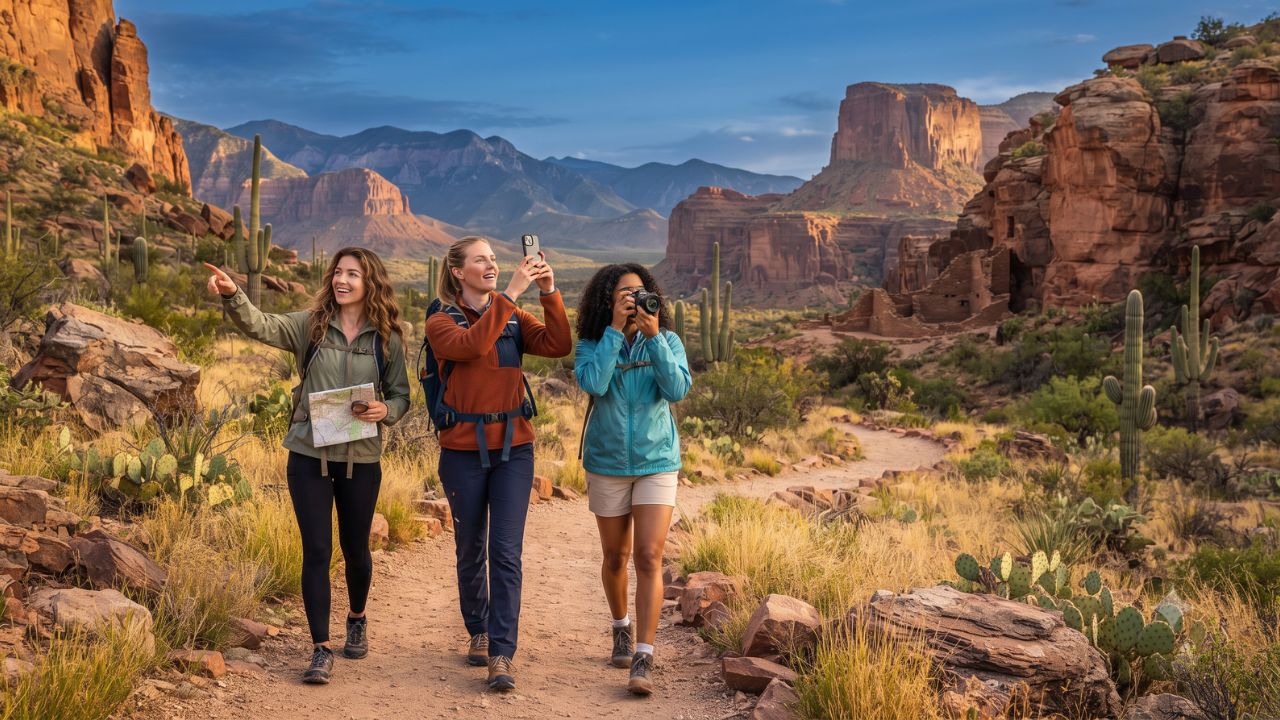
Spanning 72 protected park units across 12 states, an expansive 2026 travel framework curated by the Western National Parks Association (WNPA) and the National Park Service (NPS) represents a calculated strategic pivot away from congested marquee gateways. While premier parks such as Zion, Yosemite, and the Grand Canyon battle capacity restrictions, vehicle reservations, and climate-induced trail closures, this multi-state itinerary decentralizes traveler flow into lesser-known national monuments, historic battlefields, and fragile desert ecosystems stretching from the Pacific coast to the Great Plains.
By categorizing travel around specialized activities—including high-altitude alpine hiking, deep caving, ancestral Puebloan archaeology, and dark-sky stargazing—the initiative promotes seasonal dispersal across federal public lands managed under the U.S. Department of the Interior. For domestic road-trippers and international explorers, this framework offers a practical alternative to overbooked tourist corridors, providing lower crowds, authentic cultural engagement, and accessible permits throughout all four seasons of the year.
The Geography of Dispersal: Deconstructing the 12-State Network
The 72-site portfolio addresses the stark imbalance in American outdoor recreation, where approximately 70% of national park visitation concentrates in just 25 flagship locations. By elevating specialized national monuments, historic sites, and national preserves, the initiative highlights regional ecological diversity:
- The Sonoran Desert and Arizona Antiquities: Beyond the urban perimeter of Tucson, Saguaro National Park protects dense forests of giant saguaro cacti, while Organ Pipe Cactus National Monument showcases rare multi-branched columnar cacti along the international border. In northern and central Arizona, ancient architecture takes center stage at Canyon de Chelly National Monument—administered in close partnership with the Navajo Nation—alongside Montezuma Castle, Casa Grande Ruins, Tonto National Monument, and the volcanic stone dwellings of Tuzigoot.
- California’s Isolated Marine and Desert Edges: Channel Islands National Park provides an offshore sanctuary accessible only by passenger ferry or chartered plane from Ventura and Santa Barbara, preserving endemic island foxes and kelp forest marine reserves. Inland, Pinnacles National Park highlights dramatic volcanic breccia spires, while the vast Mojave National Preserve protects historic Route 66 corridors, Joshua tree woodlands, and singing sand dunes.
- New Mexico’s Subterranean and Archaeological Corridors: Chaco Culture National Historical Park preserves monumental 1,000-year-old stone masonry aligned to solar and lunar cycles, while White Sands National Park encompasses the world's largest gypsum dune field. Below the surface, Carlsbad Caverns National Park features colossal limestone chambers and nocturnal bat-flight spectacles, complemented by ancient volcanic rock art at Petroglyph National Monument and volcanic geology at Capulin Volcano.
- The Mountain and Basin Strongholds: Colorado’s Great Sand Dunes National Park and Preserve pairs 750-foot dunes with alpine peaks, while Black Canyon of the Gunnison exposes sheer 2,000-foot Precambrian granite drops. In eastern Nevada, Great Basin National Park safeguards ancient bristlecone pines dating back 4,000 years, while Utah's Golden Spike National Historical Park marks the 1869 completion of the transcontinental railway.
The operational parameters and seasonal windows across the primary state clusters are organized in the analytical breakdown below:
| Region / Primary State | Key National Parks & Monuments | Primary Geographic & Cultural Highlights | Optimal Visiting Window | Access & Logistical Considerations |
|---|---|---|---|---|
| Arizona | Saguaro, Organ Pipe Cactus, Canyon de Chelly, Montezuma Castle | Sonoran desert cacti, Navajo sandstone canyons, cliff dwellings | November through April | Extreme summer heat; tribal permits required for canyon floor access |
| California | Channel Islands, Pinnacles, Mojave National Preserve, John Muir NHS | Offshore marine habitats, volcanic spires, historic Route 66 | Year-round (Islands: Summer; Deserts: Winter) | Ferry bookings mandatory for Channel Islands; remote desert navigation |
| New Mexico | Carlsbad Caverns, Chaco Culture, White Sands, Petroglyph, Aztec Ruins | Gypsum dunes, ancestral Puebloan masonry, cavern formations | September through November | Rough unpaved access roads to Chaco; timed-entry reservations for caverns |
| Colorado | Great Sand Dunes, Black Canyon of the Gunnison, Bent's Old Fort | 750-ft sand dunes, sheer granite canyons, historic adobe trading post | May through October | High elevation adjustments; sudden winter snow closures |
| Nevada | Great Basin National Park | Alpine lakes, ancient bristlecone pines, Lehman Caves | June through September | Remote Great Basin Highway transit; cave tours require advance booking |
| Utah | Golden Spike NHS, Timpanogos Cave National Monument | Transcontinental railroad junction, limestone cave formations | May through September | Steep cave approach trail; seasonal railway engine demonstrations |
| Kansas & Oklahoma | Brown v. Board of Education, Nicodemus, Washita Battlefield | African American civil rights, Black homesteading, Plains Indian battles | April through October | Self-drive highway corridors across the central Great Plains |
Historical Conscience: Preserving Complex Heritage
A defining dimension of the 72-unit network is the intentional inclusion of historic and cultural sites that preserve complex chapters of the American story. Rather than limiting public lands to scenic viewpoints, the framework emphasizes education and civic reflection:
- African American History on the Plains: In Kansas, the Brown v. Board of Education National Historical Park in Topeka interprets the landmark 1954 Supreme Court decision ending legal school segregation, while Nicodemus National Historic Site preserves the only remaining western town established by African Americans during the post-Civil War Reconstruction era.
- Frontier Clashes and Military Engagements: Sites such as Sand Creek Massacre National Historic Site in Colorado and Washita Battlefield National Historic Site in Oklahoma preserve somber battlegrounds between the U.S. Cavalry and Cheyenne and Arapaho tribes, incorporating direct consultation with descendant tribal nations.
- Commercial and Transcontinental Expansion: Preserved outposts like Bent's Old Fort National Historic Site along the Arkansas River in Colorado and Hubbell Trading Post National Historic Site in Ganado, Arizona, demonstrate how trade networks connected Indigenous peoples, Spanish traders, and American settlers throughout the nineteenth century.
Expert Analysis: Overtourism Mitigation, Economic Dispersal, and Traveler Realities
For travelers planning trips through the American West, the direct consequence of targeting secondary national monuments is a dramatic reduction in logistical friction and travel costs. While vacationers visiting marquee parks like Zion or Arches face competitive 6:00 AM digital permit lotteries and packed shuttle buses, visitors exploring Chaco Culture, Great Basin, or Organ Pipe experience uncrowded trailheads and natural quietude.
The economic impact of this travel redistribution is equally significant for rural gateway communities. When visitors bypass overdeveloped resort towns to explore remote parks, their lodging, fuel, and dining expenditures flow directly into small family businesses in towns like Fredonia, Alamogordo, Baker, and La Junta.
However, venturing beyond the primary park circuit introduces distinct operational demands:
- Self-Sufficiency in Remote Areas: Secondary monuments frequently lack full-service concessionaires, cellular coverage, or potable water stations. Travelers visiting locations like Mojave National Preserve or Chaco Canyon must carry extra drinking water, vehicle emergency tools, and paper topographic maps.
- Unpaved Road Infrastructure: Access corridors to remote sites—including the 21-mile unpaved washboard road leading into Chaco Culture—can become impassable to passenger sedans following sudden flash floods.
- Cultural Etiquette on Sacred Lands: Many southwestern monuments preserve active sacred sites. Visitors must respect trail boundaries, avoid touching delicate 1,000-year-old masonry walls, and strictly refrain from removing pottery sherds or archaeological artifacts protected under the Archaeological Resources Protection Act.
Key Takeaways
- 72 Protected Sites: The 2026 Western National Parks framework encompasses 72 partner park units across 12 western states, providing alternatives to congested flagship parks.
- Seasonal Climate Alignment: Travelers should target desert monuments in winter and spring, reserving high-altitude mountain parks and coastal islands for summer and early autumn.
- Cultural and Historic Depth: The network highlights civil rights history at Brown v. Board of Education, ancestral archaeology at Chaco Culture, and Indigenous trade at Hubbell Trading Post.
- Mandatory Advance Transit Logistics: Remote destinations like Channel Islands National Park and Carlsbad Caverns require advance transportation bookings and timed entry permits.
- Self-Reliant Exploration: Visiting outlying national monuments requires independent provisioning of fuel, water, and emergency communication due to limited on-site services.
FAQ: Western National Parks Travel 2026
What is the Western National Parks Association (WNPA)?
The WNPA is an official nonprofit education and retail partner of the National Park Service, supporting research, conservation, and visitor services across 72 park sites in 12 western states.
Do secondary national monuments require vehicle reservations like major national parks?
Most secondary monuments do not require advance vehicle entry reservations, though specific activities—such as cavern tours at Carlsbad or passenger ferries to Channel Islands—require advance bookings.
What is the best season to explore desert national monuments in Arizona and New Mexico?
Late autumn through early spring (November to April) offers the most comfortable temperatures, avoiding dangerous summer heat that regularly exceeds 105 degrees Fahrenheit.
Can visitors drive passenger sedans to Chaco Culture National Historical Park?
While possible in dry conditions, the 21 miles of unpaved road can develop severe washboarding and mud ruts; high-clearance vehicles are strongly recommended, especially after rain.
Far beyond the overcrowded overlooks, the true heart of the American West reveals itself across the silent stone ruins and unpaved horizons of its protected monuments.
Related Travel Guides
Disclaimer
This article is for informational and educational purposes only. It does not constitute legal, financial, or professional advice. While we strive to provide accurate and up-to-date information, travel policies, regulations, and conditions change rapidly. Always verify information with official sources before making travel decisions. Nomad Lawyer makes no representations about the accuracy, reliability, completeness, or suitability of the information provided. Readers should consult qualified professionals for advice specific to their circumstances. The views expressed in this article are those of the author and do not necessarily reflect the views of Nomad Lawyer.
Kunal K Choudhary
Co-Founder & Contributor
A passionate traveller and tech enthusiast. Kunal contributes to the vision and growth of Nomad Lawyer, bringing fresh perspectives and driving the community forward.
Learn more about our team →