
Songkhla Gastronomy Tourism Generates Billions in H1 2026 Arrivals Boost
Songkhla's gastronomy sector generated THB 27.51 billion during the first half of 2026, driven by international arrivals.

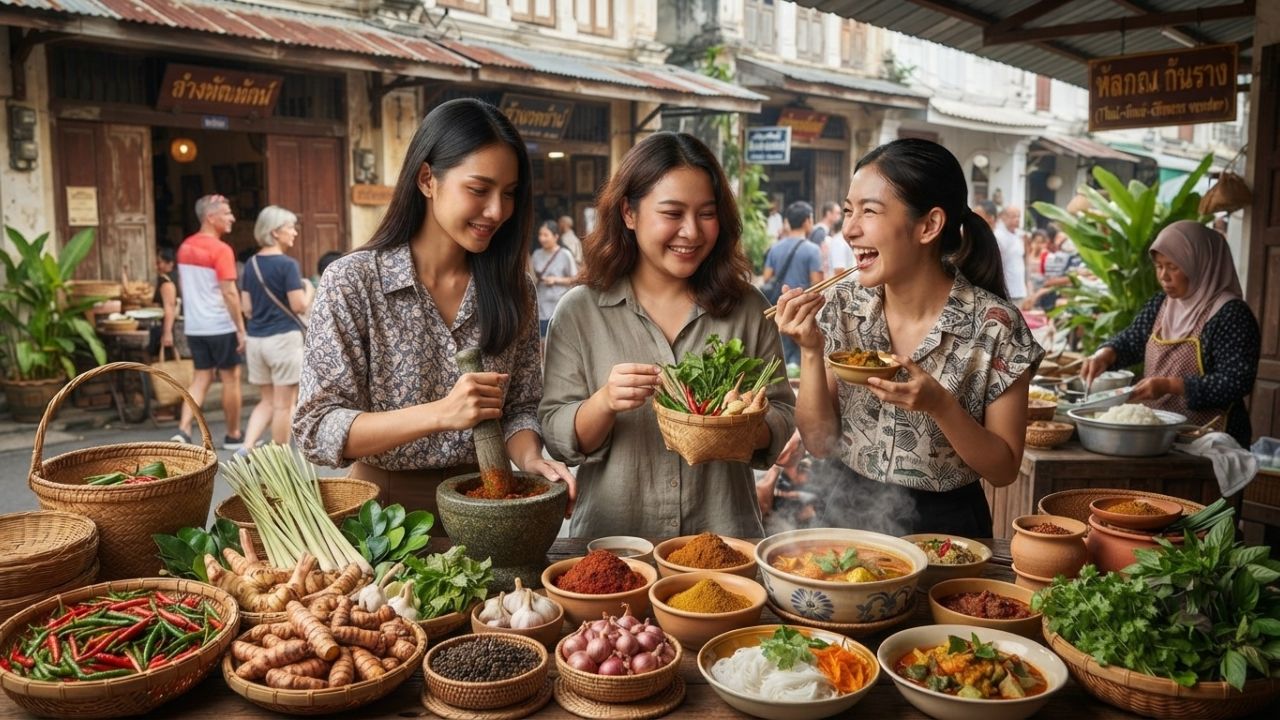
Image generated by AI
Songkhla is emerging as a major hub for gastronomy tourism in Southeast Asia, with its food sector generating THB 27.51 billion during the first half of 2026. Driven by regional spice heritage and cross-border culinary programs, the province's arrivals are increasingly led by high-yield international travelers.
Detailed Six-Month Revenue and Campaign Analysis
Our analysis of municipal tourism data indicates that Songkhla welcomed 3,841,886 visitor trips between January and June 2026, generating THB 27.51 billion in revenue. International visitors represented 52.5 percent of total trips, contributing THB 15.09 billion to the provincial economy. This performance builds on 2025 metrics, which registered THB 50.66 billion in revenue from 6,968,599 trips verified by Thailand Ministry of Tourism and Sports statistics registries.
To sustain this arrivals growth, the province has launched the World Kitchen of Spices: Thailand × Indonesia program alongside the Tam Rot Songkhla campaign. The initiative brings together 47 Founding Gastronomy Experience Designers to develop structured coastal and lagoon-based dining itineraries. Economic planners are currently selecting 10 to 15 Signature Gastronomy Experiences with established pricing frameworks to link local producers with international travel operators.
Tourism Revenue and Campaign Portfolios
The tables below summarize the tourism performance and the regional campaign highlights compiled across Songkhla:
Inbound Tourism Revenue Trends
| Assessment Period | Total Visitor Trips | Total Tourism Revenue | International Share of Trips | International Revenue Contribution |
|---|---|---|---|---|
| Full Year 2025 | 6,968,599 | THB 50.66 Billion | Data Consolidated | Data Consolidated |
| First Half 2026 | 3,841,886 | THB 27.51 Billion | 52.5% | THB 15.09 Billion |
Gastronomy Experience Initiatives
| Campaign Element | Primary Mechanism | Target Development Area |
|---|---|---|
| World Kitchen of Spices | Cross-border exchange with Indonesia | Linking Southern Thai curry paste with rempah & sambal heritage |
| Tam Rot Songkhla | Local producer network development | Connecting travelers with coastal farms & Halal gastronomy routes |
| Experience Designers | 47 founding hospitality operators | Creating heritage café trails & lagoon-based dining programs |
| Signature Concepts | 10 to 15 selected culinary routes | Establishing pricing frameworks for tour operator markets |
Passenger Rights & Advisory (Information Gain & Experience)
For international tourists booking culinary trips and regional flights to Songkhla, understanding transit protections is key:
- US DOT Alternate Gateway Refunds: Under U.S. Department of Transportation (DOT) guidelines, if your long-haul flight connecting to Southern Thailand is cancelled and you choose to decline rebooking, the airline must issue a full cash refund.
- Domestic Carrier Baggage Rules: Regional flights to Hat Yai International Airport (HDY) enforce strict baggage weight checks. Travelers carrying artisan ingredients or liquids should ensure packaging complies with safety guidelines to prevent check-in delays.
- Culinary Tour Registrations: Due to limited capacity at boutique venues, signature dining experiences must be booked online via approved platforms. High-demand seafood and lagoon dining slots generally sell out months in advance during holiday windows.
Industry Analyst View
The success of Songkhla's gastronomy campaigns demonstrates the value of developing heritage-focused travel niches. By integrating local spice culture with tourism marketing, the province increases length of stay and local revenue retention.
Additionally, managing this arrivals boom requires municipal authorities to expand transport capacity from Hat Yai International Airport to historic Songkhla Old Town. To protect delicate coastal ecosystems, lagoon dining operators must implement advanced waste collection systems. This resource management remains vital to preserve local communities and secure traveler trust as international arrivals grow.
Related Travel Guides
Disclaimer
This article is for informational and educational purposes only. It does not constitute legal, financial, or professional advice. While we strive to provide accurate and up-to-date information, travel policies, regulations, and conditions change rapidly. Always verify information with official sources before making travel decisions. Nomad Lawyer makes no representations about the accuracy, reliability, completeness, or suitability of the information provided. Readers should consult qualified professionals for advice specific to their circumstances. The views expressed in this article are those of the author and do not necessarily reflect the views of Nomad Lawyer.
Kunal K Choudhary
Co-Founder & Contributor
A passionate traveller and tech enthusiast. Kunal contributes to the vision and growth of Nomad Lawyer, bringing fresh perspectives and driving the community forward.
Learn more about our team →