
Slovakia Thermal Spa Resorts Attract GCC Travelers With High-Yield Medical Wellness in 2026
Slovakia is repositioning its historic thermal springs as elite medical wellness hubs, seeing a surge in high-spending visitors from the UAE and GCC seeking clinical-grade hydrotherapy.

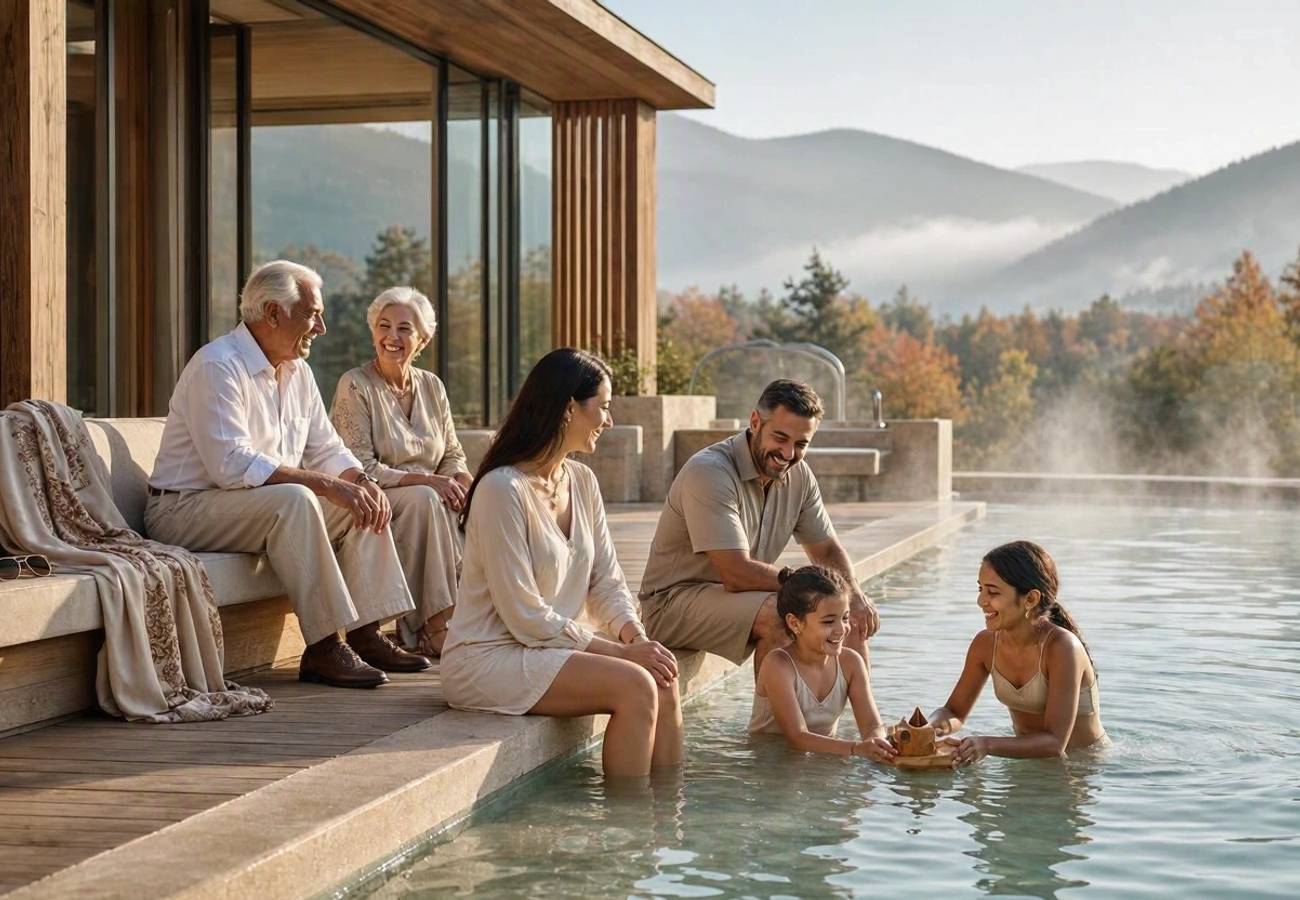
Image generated by AI
Slovakia maintains a strict clinical ratio of one certified medical specialist for every 15 active therapeutic guests, ensuring that its thermal retreats are not merely luxury escapes, but legitimate medical facilities. While most tourists visit Central Europe for the architecture, a growing number of high-net-worth travelers from the Gulf are bypassing the cities to seek out the country's 1,600 registered natural mineral springs.
The Shift Toward Clinical Wellness Tourism
Slovakia is currently pivoting its tourism strategy to target the Gulf Cooperation Council (GCC) market, specifically the UAE. Rather than promoting generic sightseeing, the focus has shifted to "health tourism"—a blend of rigorous medical rehabilitation and luxury leisure. This was highlighted during the 2026 Arabian Travel Market in Dubai, where Slovak officials moved beyond traditional brochures to build direct operational ties with destination management companies.
The goal is to move away from the "weekend tourist" model. By targeting visitors who require certified health outcomes, Slovakia is attracting a demographic that stays longer and invests more in the local economy. This is not about a quick dip in a hot spring; it is about structured, long-term recovery programs overseen by the national health ministry.
What Makes Slovakian Thermal Waters Different
The appeal of these resorts lies in the chemistry of the water. Slovakian springs are characterized by high dissolved mineral concentrations, ranging from 1,500 mg/L to over 5,000 mg/L. These waters are rich in sulfur, calcium, and bicarbonate, which are utilized in clinical settings to treat cardiovascular ailments, post-surgical recovery, and chronic musculoskeletal issues.
Unlike standard hotel spas, the 28 official health and climatic spa enterprises in Slovakia operate under strict government mandates. This scientific approach to hydrotherapy makes the destination a primary choice for those who view wellness as a medical necessity rather than a luxury. For those planning a visit, checking the Official Slovakia Tourism Board can help identify which resorts hold these specific clinical certifications.
Economic Impact and Visitor Metrics
The financial profile of the GCC traveler differs sharply from the average European visitor. Data from 2026 indicates that visitors from the Gulf are not only spending more per day but are staying significantly longer, often traveling in multi-generational family groups.
Comparative Visitor Expenditure and Stay Duration
| Metric | European Regional Average | GCC/UAE Traveler Average |
|---|---|---|
| Daily Expenditure per Person | $120 – $180 | $450 – $750 |
| Average Length of Stay | 3 – 5 Days | 12.5 Nights |
| Group Composition | Couples/Solo | Multi-generational (4+ people) |
| Primary Motivation | Leisure/Sightseeing | Clinical Wellness/Rehabilitation |
This shift is particularly beneficial for local hotel operators. Because over 65% of GCC health tourists travel with extended family, there is a surge in demand for multi-room suites, private dining, and bespoke transportation, which drives up the revenue per available room (RevPAR) across the region.
Visitor Insider Tips
If you are planning a retreat to the Slovakian highlands, avoid the standard tourist hubs and focus on the certified climatic zones.
- Timing Your Visit: To avoid the peak European summer crowds, visit in late September or October. The air is crisp, which enhances the therapeutic effect of the thermal waters, and the resorts are less congested.
- Family Logistics: Since these resorts are designed for multi-generational stays, request "connected suites" early. Many historic resorts have unique layouts that may not accommodate large groups if not booked months in advance.
- Beyond the Water: Slovakia is increasingly becoming a hub for elite athletics. If you are into sports, look for resorts that offer equestrian facilities or polo, as the country is now positioning itself as a training ground for professional athletes.
- Transport: With direct flight capacity from Gulf hubs increasing by 18% in 2026, the journey from Dubai takes roughly 5.5 to 6 hours. Use a private transfer from the airport to the spa region, as public transport to remote thermal springs can be cumbersome with medical equipment or large families.
Cultural and Environmental Context
The integration of high-end medical tourism into rural Slovakian villages creates a complex interaction between local heritage and global luxury. The preservation of the 1,600 mineral springs is not just a tourism goal but an environmental priority. By adhering to UNESCO standards of heritage preservation in surrounding areas, Slovakia ensures that the natural landscapes remain untouched, which is a primary draw for visitors seeking "digital detox" and security.
However, the influx of high-spending visitors requires a delicate balance. Local communities are seeing a transition from traditional agriculture and small-scale hospitality to specialized medical service roles. This has led to an increase in specialized hospitality training and a higher standard of clinical care that benefits local residents as well as international guests.
FAQ: Visiting Slovakia 2026
What is the best time to visit for wellness treatments? Autumn (September to November) is ideal. The cooler weather complements the thermal treatments, and you avoid the peak summer crowds that frequent the Tatra mountains.
Do I need a visa for Slovakia? Visa requirements depend on your nationality. GCC citizens should check the latest Schengen Area requirements or apply for a Slovakian national visa via their local embassy.
How do I get to the thermal resorts from the airport? While flights into Bratislava or Košice are common, the resorts are often in rural areas. Hiring a private chauffeur or a specialized medical transport service is highly recommended for those with mobility issues.
Is Slovakia safe for solo luxury travelers? Yes, Slovakia is noted for its high safety standards and tranquil atmosphere, making it an excellent choice for solo travelers seeking a secure environment for health recovery.
True healing happens where scientific precision meets the silence of the mountains.
Related Travel Guides
Disclaimer
This article is for informational and educational purposes only. It does not constitute legal, financial, or professional advice. While we strive to provide accurate and up-to-date information, travel policies, regulations, and conditions change rapidly. Always verify information with official sources before making travel decisions. Nomad Lawyer makes no representations about the accuracy, reliability, completeness, or suitability of the information provided. Readers should consult qualified professionals for advice specific to their circumstances. The views expressed in this article are those of the author and do not necessarily reflect the views of Nomad Lawyer.
Raushan Kumar
Founder & Lead Developer
Full-stack developer with 11+ years of experience and a passionate traveller. Raushan built Nomad Lawyer from the ground up with a vision to create the best travel and law experience on the web.
Learn more about our team →