
Los Cabos Mexico Expands Luxury Tourism Portfolio with Sustainable Resorts and High-End Dining 2026
Los Cabos is diversifying its luxury appeal by integrating sustainable farm-to-table hospitality and desert adventure tourism to maintain its competitive edge in Mexico's premium travel market.

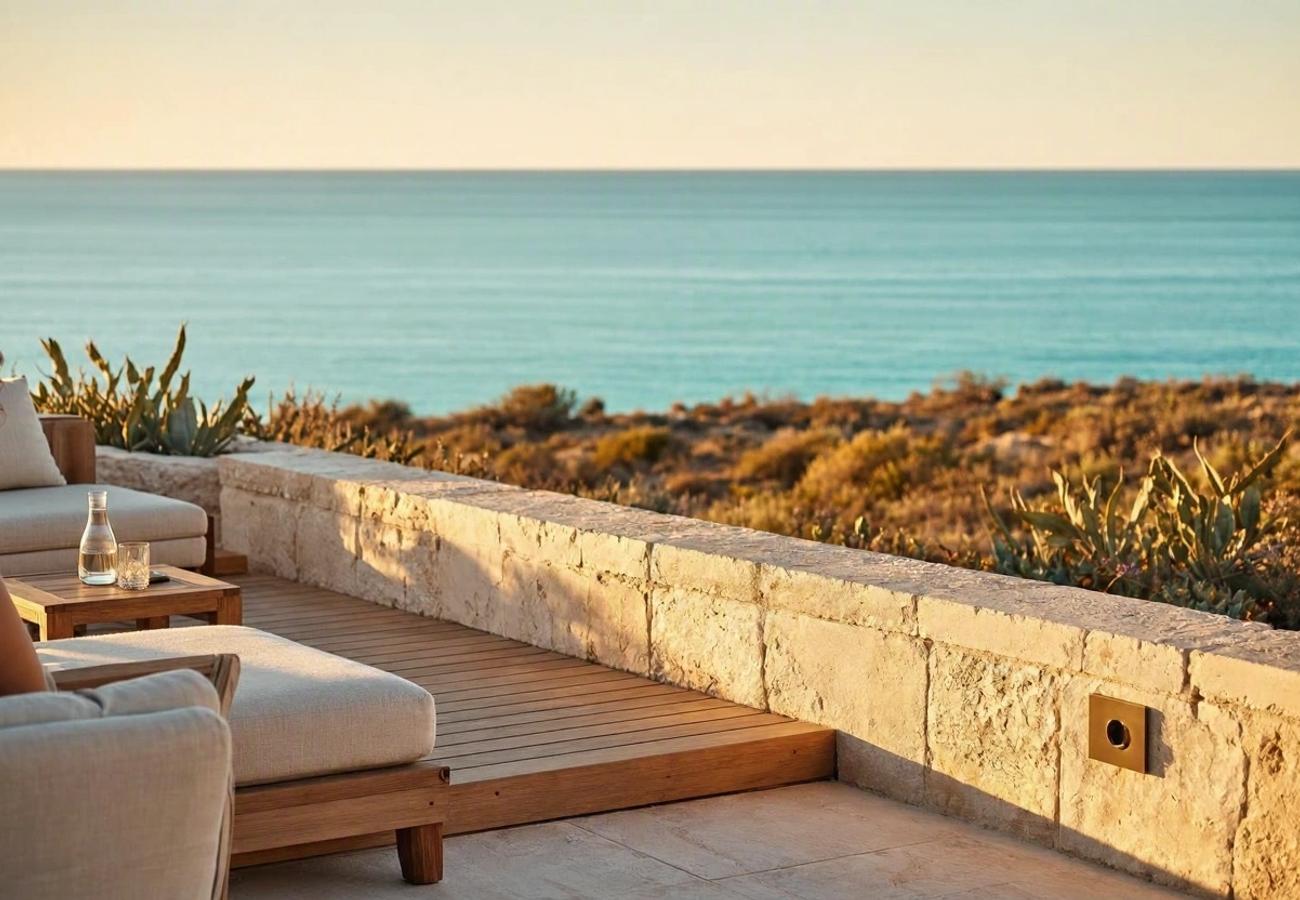
Image generated by AI
[Los Cabos, October 18, 2026] — The Los Cabos region is aggressively diversifying its luxury tourism model, shifting from traditional beachfront leisure toward a hybrid of sustainable gastronomy, desert exploration, and high-end cultural immersion. Located at the southern tip of the Baja California Peninsula, the destination is leveraging its unique geography—where the Pacific Ocean meets the Sea of Cortés—to attract a broader demographic of affluent international travelers.
The current expansion focuses on two distinct hubs: Cabo San Lucas, which remains the center for high-energy hospitality and maritime recreation, and San José del Cabo, which is positioning itself as the region's cultural and artistic heart. This strategic split allows the region to capture both the "high-luxury" party market and the "quiet-luxury" wellness and art market simultaneously.
The Shift Toward Diversified Adventure
While coastal activities remain a primary draw, the region is now promoting inland excursions to reduce over-reliance on beach tourism. The Cañón de la Zorra (Fox Canyon) has emerged as a primary destination for luxury travelers seeking "rugged" experiences. This shift includes guided geological treks and the use of natural freshwater pools, moving the luxury narrative away from the hotel pool and into the Baja California Sur wilderness.
Marine tourism continues to be a cornerstone of the economy, centered on the iconic El Arco rock formation. However, there is a visible transition toward responsible nature-based tourism. Operators are increasingly emphasizing the biodiversity of the Sea of Cortés, encouraging wildlife observation over disruptive recreational activities.
Luxury Infrastructure and Culinary Mapping
The culinary scene in Los Cabos has evolved into a standalone travel motivator. The region is now seeing a divide between "concept dining" and "sustainable dining."
| Establishment | Location | Culinary Focus | Key Feature |
|---|---|---|---|
| Limo | San José del Cabo | Open-air, fire-based | Vaquero and Gaucho traditions |
| Sunset Monalisa | Cabo San Lucas | Italian-International | Panoramic Sea of Cortés views |
| Acre Resort | Inland/Rural | Farm-to-Table | 60+ daily organic farm products |
| Marquis Los Cabos | Coastal | Premium Resort Dining | Ocean-centric architectural design |
The Secretaría de Turismo (SECTUR) continues to oversee the growth of these sectors, ensuring that the influx of high-end developments does not compromise the regional environment.
What This Means for Travelers
For passengers and guests booking trips to the Baja peninsula, the "luxury" definition has changed. It is no longer just about the thread count of the sheets, but about the exclusivity of the experience.
Passenger Impact Assessment:
- Booking Shifts: Travelers should expect a higher premium on "experience-based" stays. Resorts like Acre are shifting the value proposition from beach access to agricultural immersion.
- Itinerary Planning: Visitors are encouraged to split their time between the two cities. San José del Cabo is the preferred choice for those seeking art galleries and traditional architecture, while Cabo San Lucas remains the hub for sailing and nightlife.
- Environmental Expectations: There is a growing emphasis on sustainable practices. Travelers may find more "eco-conscious" restrictions on certain marine tours to protect the National Oceanic and Atmospheric Administration (NOAA) recognized biodiversity of the region.
The Future of Baja Luxury
The trajectory for Los Cabos suggests a move toward "integrated hospitality." This means the boundary between the resort and the local environment is blurring. The success of the farm-to-table model at Acre Resort indicates that future luxury developments will likely incorporate their own food production and conservation zones.
As the region competes with other global luxury hotspots, the focus will remain on maintaining the "exclusive" feel of the peninsula while expanding the variety of activities available to prevent tourist fatigue.
FAQ: Los Cabos Travel 2026
What is the difference between Cabo San Lucas and San José del Cabo? Cabo San Lucas is the center for nightlife, shopping, and water sports. San José del Cabo is quieter, focusing on art, culture, and traditional Mexican architecture.
Is sustainable travel available in Los Cabos? Yes. Several resorts, most notably Acre, have implemented farm-to-table systems and organic production to reduce their carbon footprint and support local ecology.
What is the best way to see El Arco? The most common method is via catamaran or sailing excursion from Cabo San Lucas, offering a combination of sightseeing and marine wildlife observation.
When is the best time to visit for desert adventures? Late autumn and winter provide the most temperate conditions for hiking in Cañón de la Zorra and exploring the desert landscapes.
The desert meets the deep blue, and the luxury is no longer just in the room, but in the earth.
Related Travel Guides
Disclaimer
This article is for informational and educational purposes only. It does not constitute legal, financial, or professional advice. While we strive to provide accurate and up-to-date information, travel policies, regulations, and conditions change rapidly. Always verify information with official sources before making travel decisions. Nomad Lawyer makes no representations about the accuracy, reliability, completeness, or suitability of the information provided. Readers should consult qualified professionals for advice specific to their circumstances. The views expressed in this article are those of the author and do not necessarily reflect the views of Nomad Lawyer.
Naina Thakur
Contributor & Travel Specialist
Travel enthusiast and legal writer covering visa regulations, responsible tourism, and cultural journeys across global destinations.
Learn more about our team →