
SkyWest-Operated American Airlines Flight SKW6198 Diverts to Manhattan Regional Airport on July 30, 2026: Full Breakdown of the Mitsubishi CRJ-701ER Incident
American Airlines Flight SKW6198, a SkyWest-operated Mitsubishi CRJ-701ER from Dallas to Lincoln, diverted to Manhattan Regional Airport on July 30, 2026, with the cause still unconfirmed.

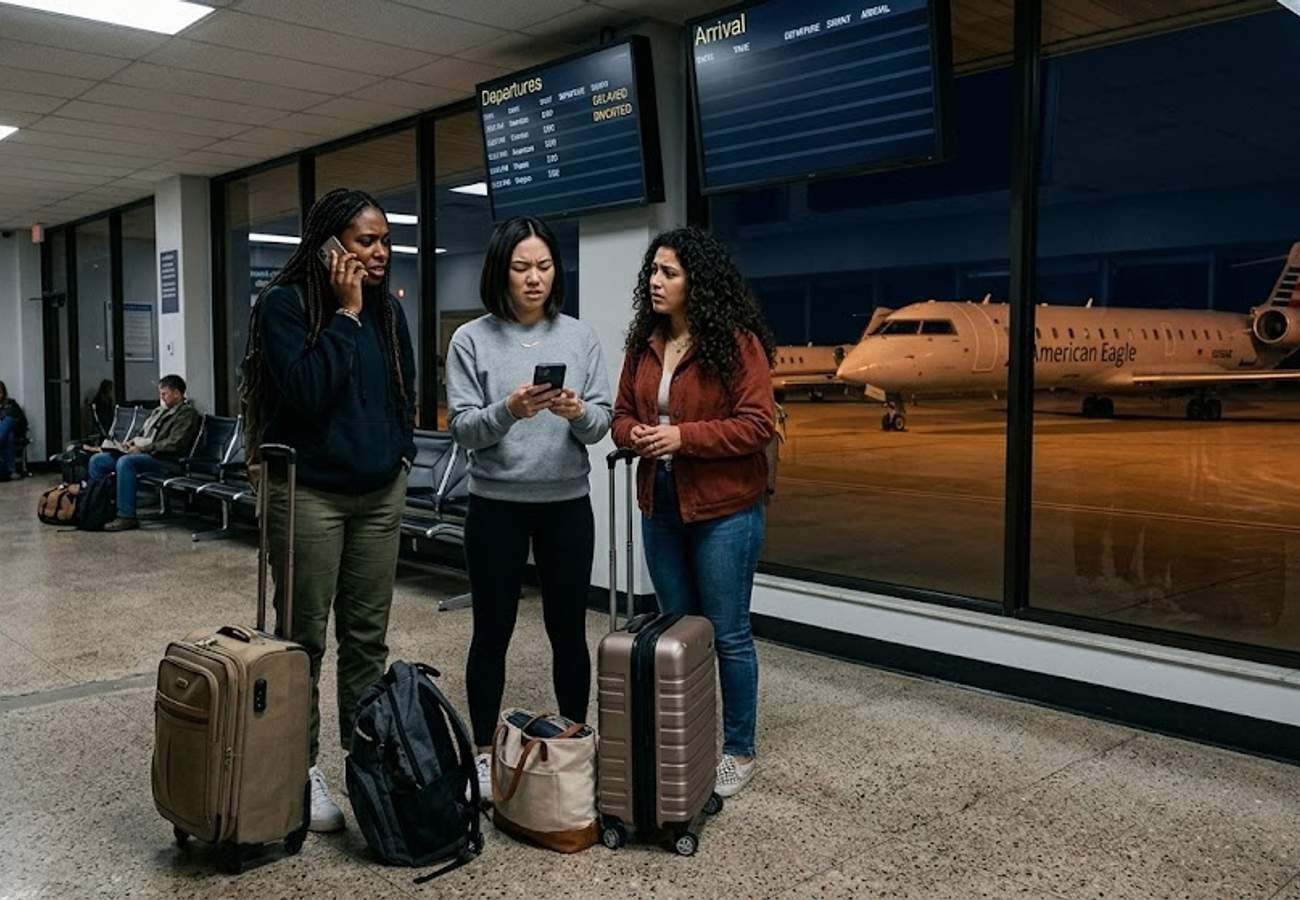
Image generated by AI
A routine regional flight from Dallas to Lincoln ended at an entirely different airport in a different state on July 30, 2026, and no one has explained why. American Airlines Flight SKW6198, operated by SkyWest Airlines using a Mitsubishi CRJ-701ER registered as N764SK, departed Dallas-Fort Worth International Airport at approximately 21:02 local time bound for Lincoln Airport in Nebraska — but instead touched down at Manhattan Regional Airport in Kansas, roughly 130 miles south of its intended destination.
[Manhattan, KS — August 1, 2026] The diversion of American Airlines Flight SKW6198 has drawn attention from aviation observers and passengers alike, as neither SkyWest Airlines nor American Airlines has publicly disclosed the reason for the unscheduled landing. The aircraft, part of the CRJ700 family commonly deployed on regional routes across the United States, was operating under the American Eagle network — a arrangement where passengers book through American Airlines while SkyWest provides the aircraft and crew.
American Airlines Flight SKW6198: What the Flight Data Shows
Flight tracking information and publicly available schedules paint a clear picture of the flight's planned trajectory. SKW6198 was slated to depart Dallas-Fort Worth International Airport and arrive at Lincoln Airport in Nebraska later that evening. The Mitsubishi CRJ-701ER, carrying registration N764SK and classified under the CRJ7 aircraft type designation, lifted off at roughly 21:02.
Instead of completing the scheduled Dallas-to-Lincoln route, the regional jet diverted to Manhattan Regional Airport, identified by the IATA code MHK, located in Riley County, Kansas. This placed the aircraft in a completely different state from its intended arrival point, transforming what should have been a routine regional hop into an unexpected operational event for everyone on board.
The diversion itself is the only confirmed fact at this stage. No official statement from SkyWest Airlines, American Airlines, the Federal Aviation Administration, or any airport authority has established whether the cause involved a mechanical issue, a medical emergency, adverse weather, airport conditions at Lincoln, or another operational consideration entirely.
Why SKW6198 Diverted to Manhattan Regional Airport Remains Unanswered
The exact trigger behind the diversion remains unverified in all publicly available information reviewed for this report. This distinction matters because flight diversions can stem from a wide range of operational factors — and assigning a cause without confirmation risks creating a misleading narrative.
Flight diversions are typically initiated by the flight crew in coordination with airline operations teams. The decision can be driven by weather conditions at the destination, an aircraft performance issue, a passenger medical situation, runway closures, air traffic control directives, or fuel considerations. In some cases, a diversion is purely precautionary, with the crew determining that continuing to the planned airport is unsuitable or operationally impractical.
Manhattan Regional Airport served as the alternate landing site for SKW6198, providing a suitable runway and facility for the CRJ-701ER to end its airborne journey safely. The airport, while significantly smaller than Lincoln Airport, is equipped to handle regional jet operations and has served as a diversion point for flights in the region before.
Until SkyWest Airlines, American Airlines, the airport, or an aviation authority releases additional information, the most accurate description of the event is simply that the flight diverted — and the specific reason remains unknown.
The Aircraft: Mitsubishi CRJ-701ER Registration N764SK
The aircraft at the center of this event is a Mitsubishi CRJ-701ER, a member of the widely used CRJ700 regional jet family. These aircraft are a common sight on American Eagle routes, connecting smaller cities to major hub airports across the United States. The CRJ700 series is designed for short-to-medium-haul regional flying, typically seating between 66 and 78 passengers depending on configuration.
Registration N764SK identifies this specific airframe within the SkyWest Airlines fleet. SkyWest, one of the largest regional carriers in North America, operates numerous CRJ-series aircraft under codeshare agreements with major carriers including American Airlines, Delta Air Lines, and United Airlines.
The operating-carrier distinction is a critical detail when describing SKW6198. Passengers booking this flight through American Airlines would see an American flight number on their itinerary, but the actual aircraft, flight crew, and operational control belonged to SkyWest Airlines under the American Eagle branding. This arrangement is standard practice in the U.S. regional aviation market, where major carriers contract regional operators to feed traffic into their hub networks.
What the Diversion Means for Passengers on SKW6198
For travelers aboard SKW6198, the diversion to Manhattan Regional Airport meant the aircraft did not arrive at Lincoln Airport as scheduled. This would have created immediate complications for onward travel connections, ground transportation arrangements, hotel bookings, and any time-sensitive commitments passengers had planned upon arrival in Nebraska.
A diversion does not automatically indicate that passengers or crew faced an in-flight emergency or danger. Airlines routinely divert flights as a precaution when continuing to the planned destination is deemed unsuitable — whether due to weather, runway conditions, or other operational factors. The aircraft landed safely at Manhattan Regional Airport, and no reports of injuries or distress have surfaced in the publicly available information.
The next steps following a diversion typically depend on several variables: the aircraft's operational status, the circumstances at the alternate airport, crew availability, and the airline's passenger accommodation procedures. Carriers may arrange onward transportation by bus, a replacement flight, or rebooking passengers on later departures. In this case, publicly available information does not provide verified detail about what arrangements were made for passengers after the aircraft arrived at Manhattan Regional Airport.
The Dallas-Lincoln-Manhattan Route Context
The planned journey connected Dallas-Fort Worth International Airport — one of the busiest aviation hubs in the United States — with Lincoln Airport in Nebraska, a smaller regional facility serving the state capital and surrounding areas. This type of route is a staple of the American Eagle network, feeding passengers from smaller markets into American's massive Dallas hub for onward connections.
Manhattan Regional Airport in Kansas, the unplanned destination, is located approximately 130 miles south of Lincoln Airport by air. The airport serves the Manhattan, Kansas area, home to Kansas State University, and handles a mix of general aviation and limited commercial service.
The diversion highlights how quickly regional airline operations can shift when circumstances affect the planned destination. It also underscores the role of alternate airports in commercial aviation — carriers are not required to return an aircraft to its departure airport when a destination becomes unsuitable. Instead, flight crews and dispatchers identify the nearest suitable alternate that can accommodate the aircraft type and passenger needs.
Operational Impact and Industry Implications
The SKW6198 diversion illustrates several broader points about regional aviation operations in the United States. First, the reliance on regional jets like the CRJ700 series for connecting smaller cities to major hubs means that diversions can have outsized effects on passengers who may have limited alternative travel options. Lincoln Airport does not offer the same volume of daily departures as a major hub, meaning rebooking options for diverted passengers could be more constrained.
Second, the SkyWest-American Eagle operating model means that communication about incidents can be fragmented. Passengers who booked through American Airlines may receive information from American's customer service channels, while the operational details sit with SkyWest. This can create delays in public disclosure of diversion causes, as seen in this case where no official explanation has been issued.
Third, the event demonstrates the importance of alternate airport planning in flight operations. Every commercial flight dispatch includes identified alternate airports that can accommodate the aircraft if the destination becomes unavailable. Manhattan Regional Airport's selection as the diversion point suggests it was either pre-filed as an alternate or identified by the crew during the flight as the nearest suitable option.
Why This Matters: What Travelers Should Take Away
For the traveler, this event serves as a reminder that regional flights — often perceived as straightforward point-to-point journeys — can encounter the same operational disruptions as long-haul international services. Passengers booking regional codeshare flights under a major carrier's brand should understand that the operating airline may differ from the marketing carrier, which can affect how information is communicated during irregular operations.
From a logistical standpoint, a diversion to an airport like Manhattan Regional — a small facility not designed for regular commercial jet operations — can mean limited ground infrastructure for passenger accommodation. Travelers may face extended waits for onward transportation, particularly if the diversion occurs late in the evening, as was the case with SKW6198's 21:02 departure.
The lack of an official cause statement also highlights a transparency gap that passengers and aviation observers frequently encounter. While airlines are not obligated to publicly disclose every operational detail, the absence of information can fuel speculation — something that serves no one, particularly when the flight landed safely and no injuries have been reported.
For now, the confirmed facts remain limited but clear: SkyWest Airlines operated American Airlines Flight SKW6198 from Dallas-Fort Worth to Lincoln on July 30, 2026, using Mitsubishi CRJ-701ER N764SK, and the aircraft diverted to Manhattan Regional Airport instead of completing its scheduled arrival. The diversion is the central confirmed event. The underlying cause remains unverified, and until an official statement arrives, any assignment of a specific reason would be speculation.
Aviation authorities and the operating carriers have not yet released a timeline for when additional details about SKW6198's diversion may be made public.
Related Travel Guides
Disclaimer
This article is for informational and educational purposes only. It does not constitute legal, financial, or professional advice. While we strive to provide accurate and up-to-date information, travel policies, regulations, and conditions change rapidly. Always verify information with official sources before making travel decisions. Nomad Lawyer makes no representations about the accuracy, reliability, completeness, or suitability of the information provided. Readers should consult qualified professionals for advice specific to their circumstances. The views expressed in this article are those of the author and do not necessarily reflect the views of Nomad Lawyer.
Preeti Gunjan
Contributor & Community Manager
A passionate traveller and community builder. Preeti helps grow the Nomad Lawyer community, fostering engagement and bringing the reader experience to life.
Learn more about our team →