
Singapore Restaurants Shift Toward Regional Cuisines, Premium Casual Dining, and Automation
Singapore's dining sector shifts in 2026 toward regional Chinese cuisines, premium casual concepts, TikTok/Xiaohongshu discovery, and automated kitchens.

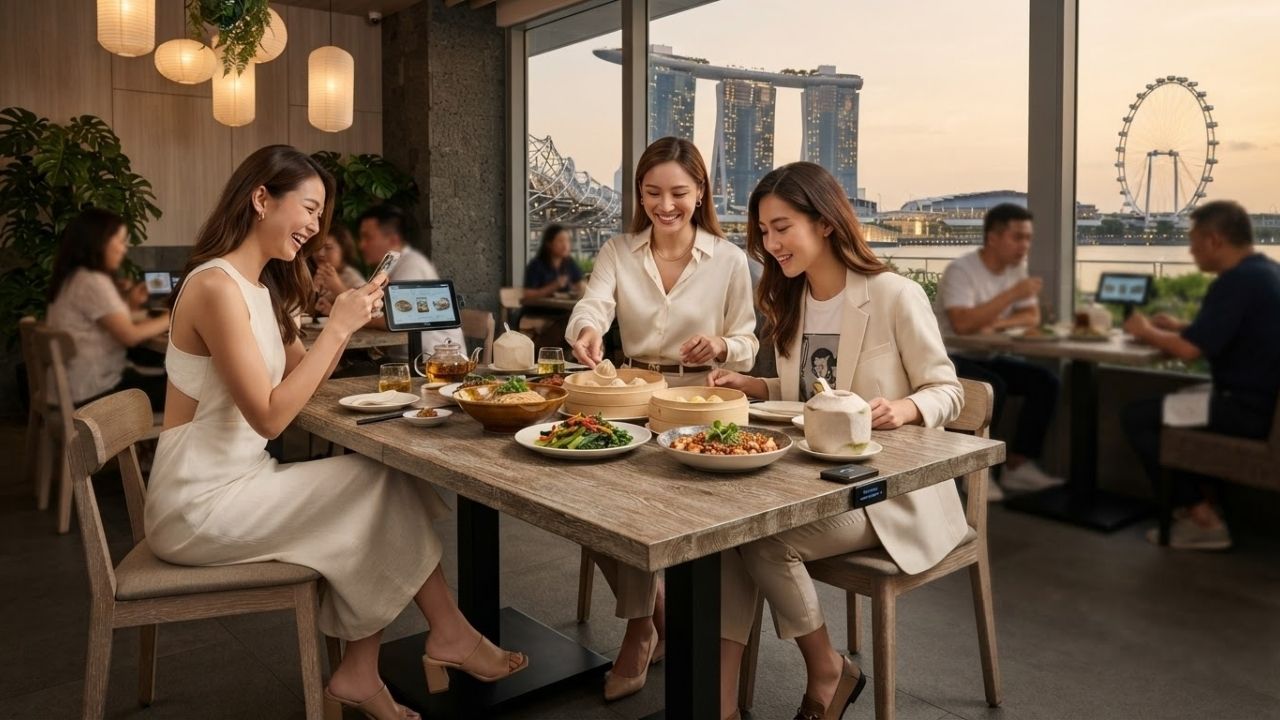
Image generated by AI
Singapore’s food and beverage (F&B) industry is experiencing a structural evolution as diners demand authentic regional cuisines, premium casual environments, and digital discovery.
[SINGAPORE] — Food industry disclosures in Singapore confirm that the national dining market is undergoing a major shift away from traditional volume-and-convenience business models. Driven by selective consumer spending, the sector is splitting between high-efficiency automated restaurant chains and specialized regional dining concepts. The market transformation is marked by the rise of provincial Chinese cuisines—including Hunan, Guizhou, and Yunnan—alongside short-form video discovery platforms like Xiaohongshu, TikTok, and Instagram Reels.
Singapore F&B Baseline: Market Evolution and Consumer Priorities
The 2026 dining landscape reflects changing expectations among local residents and international food tourists.
Traditional mid-tier establishments facing stagnant demand are adapting by adopting "casual luxury" formats or specialized provincial menus.
Singapore F&B Sector Framework:
├── Premium Casual Dining: Replacing formal fine dining with high-quality, relaxed concepts
├── Regional Culinary Focus: Hunan, Guizhou, Yunnan, Fujian & Shaanxi provincial dishes
├── Digital Discovery Engines: TikTok, Instagram Reels & Xiaohongshu driving restaurant traffic
└── Operations & Automation: Centralized preparation kitchens & cloud-based inventory analytics
| Sector Segment | Key Operational & Culinary Focus | Consumer & Market Advantage |
|---|---|---|
| Premium Casual Dining | High-quality ingredients in relaxed settings | Accessible luxury for younger diners |
| Regional Chinese Concepts | Hunan, Guizhou, Yunnan & Shaanxi cuisines | Authentic provincial flavor discovery |
| Digital Marketing | Xiaohongshu, TikTok & Instagram Reels | Direct viral traffic & social discovery |
| Kitchen Automation | Centralized production & automated cooking | Consistent food quality & cost control |
| Retail Expansion | High-density mall location strategies | High foot-traffic brand visibility |
| Wellness Options | Health-focused recipes & functional drinks | Alignment with healthy lifestyle choices |
Regional Chinese Cuisine Takes Center Stage in Singapore
Singapore’s Chinese dining market is shifting from generic broad-category concepts like hotpot toward specialized provincial traditions:
- Hunan Cuisine: Gaining rapid popularity for bold chili techniques, smoked ingredients, and intense stir-fry preparations.
- Guizhou and Yunnan Flavors: Attracting culinary explorers with wild mountain herbs, fermented sour soups, and regional mushrooms.
- Specialized Formats: Northeastern Chinese skewers, Fujian-style seafood braises, and Shaanxi hand-pulled noodle shops offer authentic culinary stories tied to specific provinces.
Provincial Chinese Cuisine Expansion:
├── Hunan: Bold chili intensity, smoked meats & high-heat wok techniques
├── Guizhou & Yunnan: Fermented sour broths, wild mushrooms & regional botanicals
└── Specialized Street Foods: Shaanxi biangbiang noodles, Fujian braises & Northeastern BBQ
Digital Discovery: Social Media Platforms as Search Engines
Traditional dining guides and print reviews are increasingly replaced by short-form digital content platforms across Singapore:
- Xiaohongshu (RED): Serves as a primary discovery portal for Chinese-speaking diners looking for visually distinctive dishes and secret menu items.
- TikTok and Instagram Reels: Short-form video platforms drive instant restaurant traffic through viral dish demonstrations and interior design showcases.
- Digital Storytelling: Restaurants invest directly in content creation to capture diner attention before customers step into physical venues.
Digital Restaurant Search Ecosystem:
├── Xiaohongshu (RED): Primary discovery app for authentic Chinese regional food reviews
├── TikTok & Reels: Visual video feeds showcasing signature dishes & open kitchen prep
└── Direct Conversion: Social media popularity directly driving online reservations & foot traffic
| Digital Platform | Target Audience & Content Format | Operational Impact on Restaurants |
|---|---|---|
| Xiaohongshu | Lifestyle-focused & regional food seekers | High conversion for authentic Chinese concepts |
| TikTok | Gen Z & young professional diners | Viral dish visibility & immediate footfall |
| Instagram Reels | Aesthetic & presentation-driven foodies | Brand positioning & ambiance promotion |
| Cloud Analytics | Multi-outlet management groups | Real-time tracking of orders & inventory |
Automation and Centralized Supply Chains Reshape Restaurant Operations
Large restaurant groups are implementing structured corporate supply chains to maintain profitability in high-rent commercial districts:
- Centralized Kitchens: Initial food prep occurs in central processing facilities to ensure ingredient consistency across retail outlets.
- Automated Cooking Equipment: Standardized cooking systems and smart wok stations reduce labor dependencies and shorten preparation times.
- Real-Time Data Analytics: Cloud management platforms track inventory levels, monitor food waste, and automate reordering routines.
Kitchen Technology & Efficiency Framework:
├── Central Preparation: Bulk prep in central kitchens ensuring multi-outlet consistency
├── Smart Equipment: Automated wok systems & digital temperature monitoring stations
└── Cloud Management: Real-time inventory tracking, wastage reduction & POS integration
Frequently Asked Questions (FAQ)
Q1: What are the main regional Chinese cuisines growing in Singapore’s restaurant market?
A: Specialized regional cuisines from Hunan, Guizhou, Yunnan, Fujian, and Shaanxi are expanding rapidly, replacing generic hotpot and broad Chinese menu formats.
Q2: How are digital platforms influencing restaurant discovery in Singapore?
A: Apps like Xiaohongshu, TikTok, and Instagram Reels have become primary search engines, where short-form videos and user reviews directly drive foot traffic and reservations.
Q3: What is "premium casual" dining in the context of Singapore's food scene?
A: Premium casual dining combines high-quality ingredients, creative food presentation, and skilled cooking with a relaxed, non-formal environment.
Why This Matters for Diners, Restaurant Operators, and Travel Managers
Analyzing Singapore's evolving dining market highlights key operational and cultural insights:
- For International Diners: Finding authentic regional Chinese cuisines is easier as specialized provincial restaurants expand across major retail hubs.
- For Restaurant Operators: Adopting cloud analytics and central kitchen preps helps control food costs while maintaining quality standards.
- For Travel Managers: Understanding social discovery trends via Xiaohongshu and TikTok enables better recommendations for corporate and leisure clients.
Related Travel Guides
Disclaimer
This article is for informational and educational purposes only. It does not constitute legal, financial, or professional advice. While we strive to provide accurate and up-to-date information, travel policies, regulations, and conditions change rapidly. Always verify information with official sources before making travel decisions. Nomad Lawyer makes no representations about the accuracy, reliability, completeness, or suitability of the information provided. Readers should consult qualified professionals for advice specific to their circumstances. The views expressed in this article are those of the author and do not necessarily reflect the views of Nomad Lawyer.
Raushan Kumar
Founder & Lead Developer
Full-stack developer with 11+ years of experience and a passionate traveller. Raushan built Nomad Lawyer from the ground up with a vision to create the best travel and law experience on the web.
Learn more about our team →