
Colorado Mountain Towns Drive Four-Season Tourism Surge in 2026
Colorado's small mountain towns, including Ouray, Silverton, and Leadville, drive year-round tourism growth beyond traditional ski resorts.

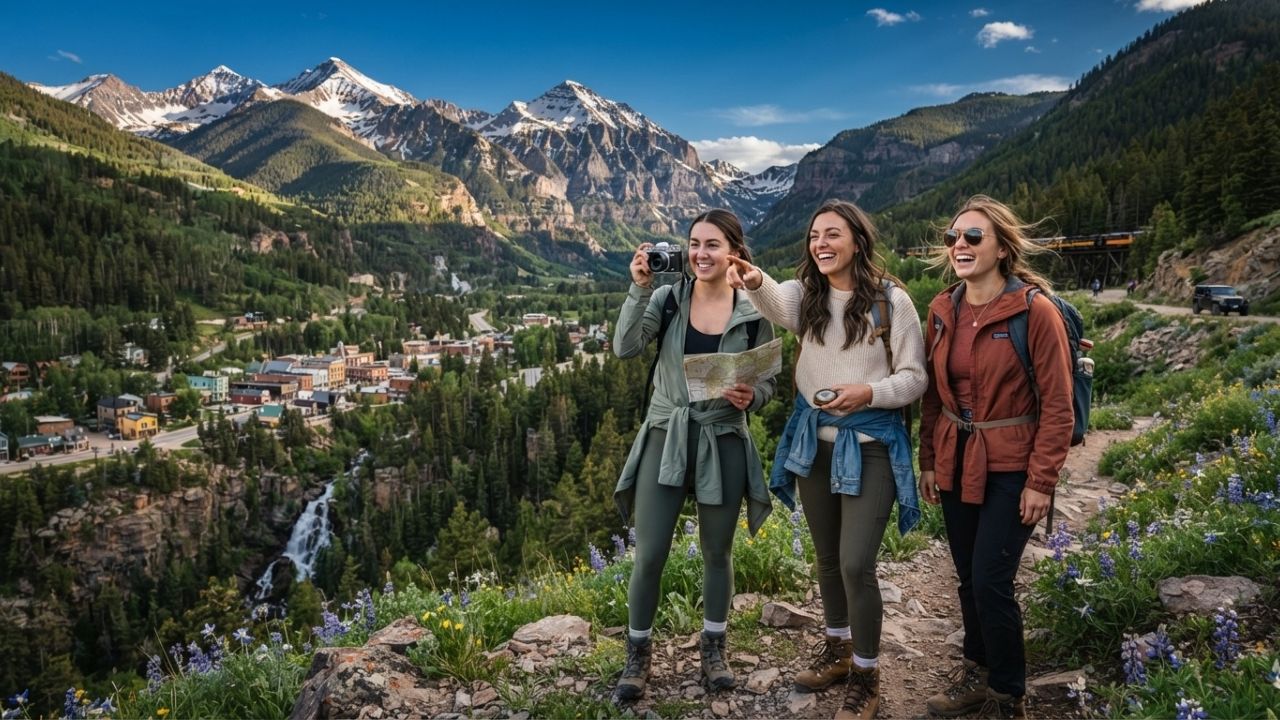
Image generated by AI
Colorado's smaller alpine communities are driving a major expansion in four-season tourism, distributing visitor spend beyond high-profile ski resorts to historic mining towns.
Colorado Small Mountain Towns Population, Elevation, and Key Focus Areas
| Mountain Town | Approx. Population | Elevation | Why Travellers Choose It | Best Time to Visit |
|---|---|---|---|---|
| Ouray | ~1,000 | 7,792 ft | Hot springs, waterfalls, ice climbing, Million Dollar Highway | Year-round |
| Silverton | ~700 | 9,318 ft | Historic mining town, Durango & Silverton Railroad, backcountry adventures | Summer, autumn, winter |
| Leadville | ~2,600 | 10,152 ft | Highest incorporated city in the US, mining heritage, 14ers | Summer to autumn |
| Buena Vista | ~3,000 | 7,965 ft | Whitewater rafting, Collegiate Peaks, hot springs | Spring to autumn |
| Salida | ~6,000 | 7,083 ft | Arts district, Arkansas River recreation, cycling | Year-round |
| Ridgway | ~1,200 | 6,985 ft | Scenic San Juan Mountains, photography, hiking | Summer and autumn |
Why This Matters: Flight and Regional Airport Impact Breakdown
From an operational perspective, the growth of four-season tourism in secondary destinations alters travel corridors and regional airports:
- Regional Airport Throughput: Montrose Regional (MTJ), Gunnison-Crested Butte (GUC), and Durango-La Plata County (DRO) are experiencing higher summer and autumn volumes, reducing the traditional spring drop-off.
- Highway Route Congestion: High-altitude road corridors, including the Million Dollar Highway linking Silverton, Ouray, and Ridgway, experience heavy motorist volume during peak foliage weeks.
- Fly-In Rental Car Demand: With smaller towns best accessed via self-drive itineraries, Denver International Airport (DEN) and regional hubs face elevated demand for four-wheel-drive rental vehicles.
Passenger Rights & Advisory: Sports Gear Claims and Altitude Safety
For travelers exploring high-altitude mountain corridors, preparing for local rules and transit regulations is essential:
- Airlines Sports Equipment Rules: Under U.S. DOT rules, domestic baggage liability is capped at $3,800. Travelers checking specialized gear like mountain bikes or kayaks to regional airports should verify carrier handling fees and purchase supplemental coverage.
- High-Altitude Acclimatization: Because many towns sit above 7,000 feet—with Leadville exceeding 10,000 feet—travelers should remain hydrated and avoid strenuous hiking during the first 24 hours to prevent acute mountain sickness (AMS).
- US Forest Service Permits: When hiking in wilderness areas or national forests, travelers must secure necessary parking permits and adhere to local fire bans and Leave No Trace principles to protect high-alpine ecosystems.
- Mountain Pass Traffic Laws: During winter and early spring, the Colorado Department of Transportation enforces chain laws and traction requirements on high-altitude passes. Drivers should confirm their vehicle meets traction rules before traveling.
Industry Outlook: Long-Term Growth in Outdoor Recreation Sectors
As travelers prioritize slower, experience-driven travel, secondary mountain markets will continue to grow. Developing year-round activities like hot springs, arts festivals, and historic railways protects local economies from low-snow winter periods, creating a more resilient tourism framework. Local municipalities will continue to invest in trail maintenance and sustainable infrastructure to manage the environmental impact of rising visitor numbers.
Related Travel Guides
Disclaimer
This article is for informational and educational purposes only. It does not constitute legal, financial, or professional advice. While we strive to provide accurate and up-to-date information, travel policies, regulations, and conditions change rapidly. Always verify information with official sources before making travel decisions. Nomad Lawyer makes no representations about the accuracy, reliability, completeness, or suitability of the information provided. Readers should consult qualified professionals for advice specific to their circumstances. The views expressed in this article are those of the author and do not necessarily reflect the views of Nomad Lawyer.
Preeti Gunjan
Contributor & Community Manager
A passionate traveller and community builder. Preeti helps grow the Nomad Lawyer community, fostering engagement and bringing the reader experience to life.
Learn more about our team →