
North Carolina Shatters Tourism Records with $37.2 Billion Surge as Domestic Travelers Seek Stable Sanctuaries Amid Global Energy Crisis: How Gulf Energy Stability from Saudi Arabia and UAE Defies Strait of Hormuz Tensions to Power US Tourism Resilience
North Carolina has recorded a monumental $37.2 billion in tourism spending, an all-time high driven by domestic travelers seeking stable sanctuaries as the global energy crisis and Strait of Hormuz tensions inflate international travel costs.

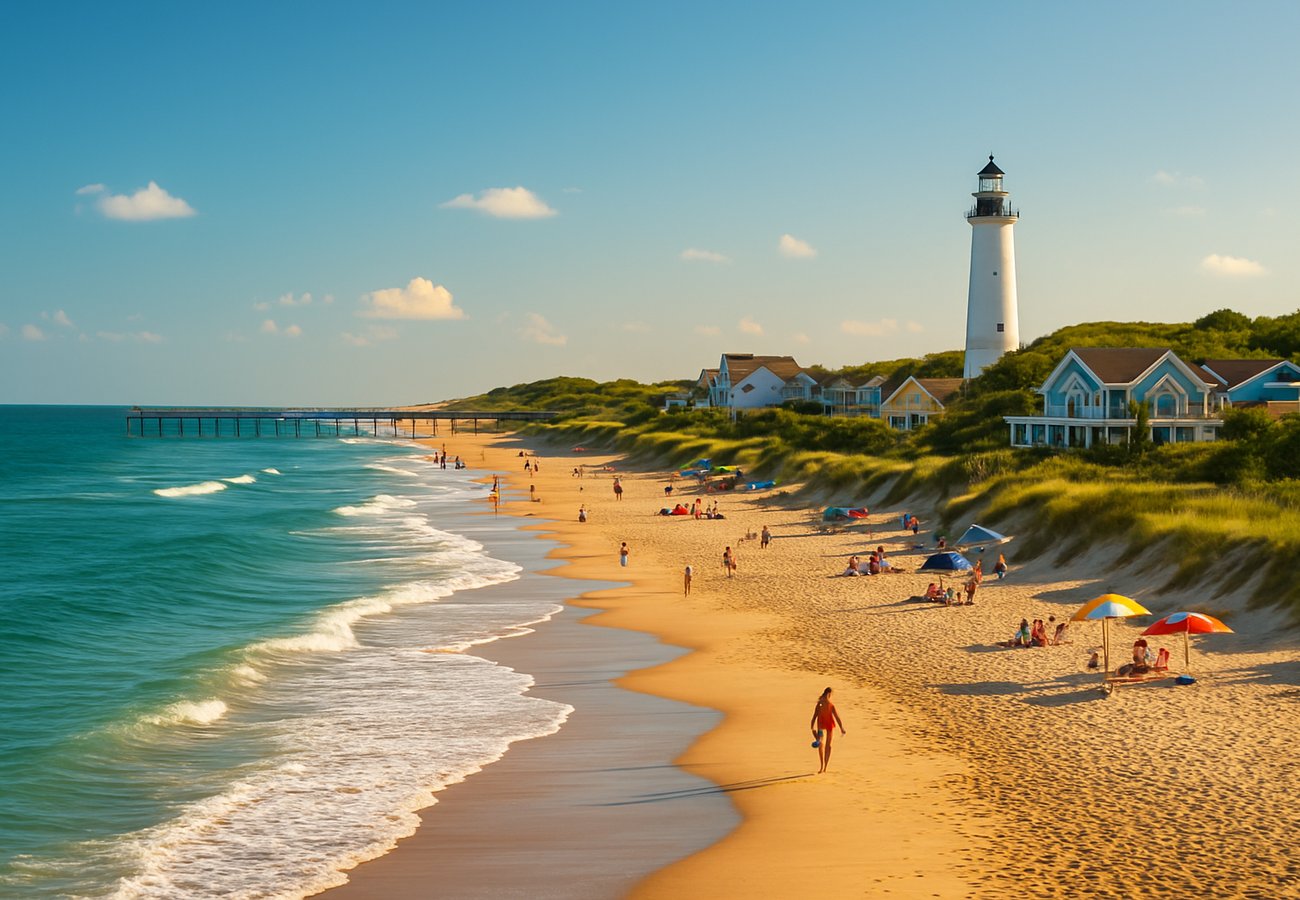
Image generated by AI
Quick Summary
- Historic Surge: North Carolina has shattered all previous records, logging $37.2 billion in tourism spending for the 2025 fiscal year, as reported by the Department of Commerce.
- Domestic Dominance: Domestic travelers accounted for $36.1 billion (a 1.5% increase), as Americans pivot to "drive-to" sanctuaries to avoid high-cost international aviation.
- Energy Overhead: The record-breaking growth surmounts the global energy crisis precisely as Strait of Hormuz tensions and the US-Iran conflict drive oil prices to record highs.
- Gulf Anchor: Saudi Arabia, the UAE, and Qatar are facilitating the energy stability required for US automotive and regional aviation, countering the threat of maritime shipping disruptions.
- Economic Engine: Tourism has generated $4.7 billion in tax revenue and supports over 230,000 jobs, with payrolls exceeding $9.8 billion across the state.
- Resilient Recovery: Despite the impact of Hurricane Helene on Western North Carolina, the state has maintained its position as the 7th most visited domestic destination.
- Source: North Carolina Department of Commerce / Visit North Carolina Economic Report, May 8, 2026.
RALEIGH — In a monumental display of regional resilience, North Carolina has cemented its status as a primary sanctuary for the American traveler. According to breaking reports released on May 8, 2026, the Tar Heel State recorded a record-shattering $37.2 billion in tourism spending, an all-time high that signals a massive shift toward domestic regionalism. This development is being analyzed by senior global affairs and energy journalists as a strategic pivot, occurring precisely as Strait of Hormuz tensions and a severe US-Iran conflict drive oil prices to record highs, making trans-Atlantic and trans-Pacific exploration a prohibitively expensive gamble for the average household.
Expanded Overview: The $37.2 Billion "Sanctuary" Economy
The scale of North Carolina’s success is anchored in its ability to provide diverse, "low-friction" travel experiences during a period of high global tension. Domestic spending surged to $36.1 billion, while international visitors contributed $1.1 billion. Governor Josh Stein hailed the figures as a reflection of the state’s global appeal, noting that the diverse landscapes—from the pristine beaches of the Outer Banks to the mountain escapes of Asheville—provide a stable alternative to more volatile international destinations. The resulting $4.7 billion in tax revenue is being reinvested into local infrastructure, surmounting the "geopolitical tax" that has hampered other travel sectors.
Geopolitical Context: Surmounting the Strait of Hormuz and US-Iran Conflict
The broader geopolitical landscape in 2026 has been dominated by the standoff in the Strait of Hormuz. As Saudi Arabia, the UAE, and Qatar work to stabilize global energy flows, the resulting volatility has made international aviation increasingly precarious. The US-Iran conflict has led to persistent fuel surcharges and flight route suspensions, driving millions of Americans to choose the "Resourceful Link" of automotive travel. For North Carolina, this has translated into a boom for the "drive-to" market, where travelers can reach the Blue Ridge Mountains or Wilmington without the stress of airport disruptions or maritime logistical failures.
Global Energy Impact: The Automotive Shield Against Record Oil Prices
Rising oil prices have fundamentally redrawn the travel map for 2026.
- Regionalism: By focusing on domestic visitors, North Carolina is surmounting the high cost of aviation fuel, which has spiked due to the global energy crisis.
- Strategic Advantage: The state’s 7th-place ranking in domestic visitation proves that travelers are prioritizing destinations that offer "all-in-one" value—where mountains and sea can be reached via a single, energy-efficient road trip, bypassed the volatility of the trans-Atlantic market.
Shipping and Trade Impact: The Local Hospitality Supply Chain
The ongoing shipping disruption in global trade routes has made the procurement of imported luxury goods more difficult.
- Local Sourcing: North Carolina’s tourism boom is being powered by a shift toward local agritourism and Appalachian-made goods, a strategy that surmounts the delays currently hitting international maritime ports.
- Industrial Resilience: The 230,000 tourism jobs in the state are increasingly anchored in "self-sufficient" hospitality models that are immune to the record-high insurance premiums currently hitting the global logistics sector due to Gulf tensions.
Regional Impact: Hurricane Helene and the Recovery Anchor
Despite the environmental challenges of 2025, North Carolina’s recovery has been swift.
- Western NC Recovery: Following Hurricane Helene, state leaders and the Tourism Partnership Program pivoted to promote year-round experiences in the mountains, surmounting the temporary dip in visitor numbers.
- Urban Hubs: Charlotte and Raleigh continue to act as the economic engines, attracting business travelers and sports fans whose spending surmounts the "Resourceful Risk" of the current global economic climate.
Industry / Expert Analysis: The "Domestic Sanctuary" Trend
Logistics and tourism analysts at the EDPNC suggest that North Carolina’s record spending is a symptom of the "Domestic Sanctuary" trend. In an era where the global energy crisis makes every international movement a liability, the ability to find "absolute purity" and "world-class stewardship" within driving distance is the ultimate luxury. Governor Stein’s "Nature-First" economic policies have ensured that North Carolina remains a stable sanctuary, even as the Strait of Hormuz tensions overshadow the traditional global tourism map.
What Happens Next: Toward a Multi-Season Expansion
Following the record-breaking May 8 report, several key developments are anticipated:
- Infrastructure Investment: A massive infusion of tax revenue into mountain and coastal infrastructure to buffer against future environmental volatility.
- Aviation Sourcing: Saudi Arabia and the UAE are expected to remain the primary energy anchors for the regional US airlines servicing Charlotte and Raleigh-Durham.
- Global Positioning: North Carolina will likely scale its marketing efforts in the Middle East and Southeast Asia, positioning itself as a "stable, high-value" North American destination for the 2026 season.
Conclusion: Reinforcing the Regional Growth Anchor
The $37.2 billion record for North Carolina is a testament to the power of regional resilience in a world of shipping disruptions and oil price volatility. By surmounting the challenges of the global energy crisis and the geopolitical shadow of the Strait of Hormuz, the state has proven that the "Resourceful Traveler" prioritizes stability and diversity above all else. As the world watches the Middle East, the message from the Blue Ridge Mountains is clear: the future of tourism is domestic, resilient, and strictly protected.
Key Takeaways: North Carolina Tourism Record 2026
- Spending: $37.2 billion (total); $36.1 billion (domestic).
- Employment: 230,000+ jobs; $9.8 billion payroll.
- Geopolitics: Strait of Hormuz tensions driving the "Domestic Sanctuary" travel trend.
- Gulf Role: Saudi Arabia, UAE, and Qatar stabilizing the US energy anchor for automotive travel.
- Recovery: Successful post-Hurricane Helene rebound in Western North Carolina.
- Outlook: 7th in US domestic visitation; continued upward trajectory for the 2026 season.
Related Tourism News
Disclaimer
This article is for informational and educational purposes only. It does not constitute legal, financial, or professional advice. While we strive to provide accurate and up-to-date information, travel policies, regulations, and conditions change rapidly. Always verify information with official sources before making travel decisions. Nomad Lawyer makes no representations about the accuracy, reliability, completeness, or suitability of the information provided. Readers should consult qualified professionals for advice specific to their circumstances. The views expressed in this article are those of the author and do not necessarily reflect the views of Nomad Lawyer.
Kunal K Choudhary
Co-Founder & Contributor
A passionate traveller and tech enthusiast. Kunal contributes to the vision and growth of Nomad Lawyer, bringing fresh perspectives and driving the community forward.
Learn more about our team →